How to Fix Slow Cooker Recipes: Practical Solutions for Every Common Mistake
A slow cooker is supposed to make weeknight dinners effortless. You prep ingredients in the morning, set the dial, and expect a rich, tender meal by evening. Yet even experienced cooks sometimes lift the lid to find watery sauce, bland broth, dry chicken, or mushy vegetables.
The good news is that almost every slow cooker mishap can be rescued right before dinner—and prevented next time. Understanding how a slow cooker handles heat and moisture turns guesswork into reliable results, fitting right alongside the practical everyday guides on USABite.
Why Slow Cooker Recipes Go Wrong
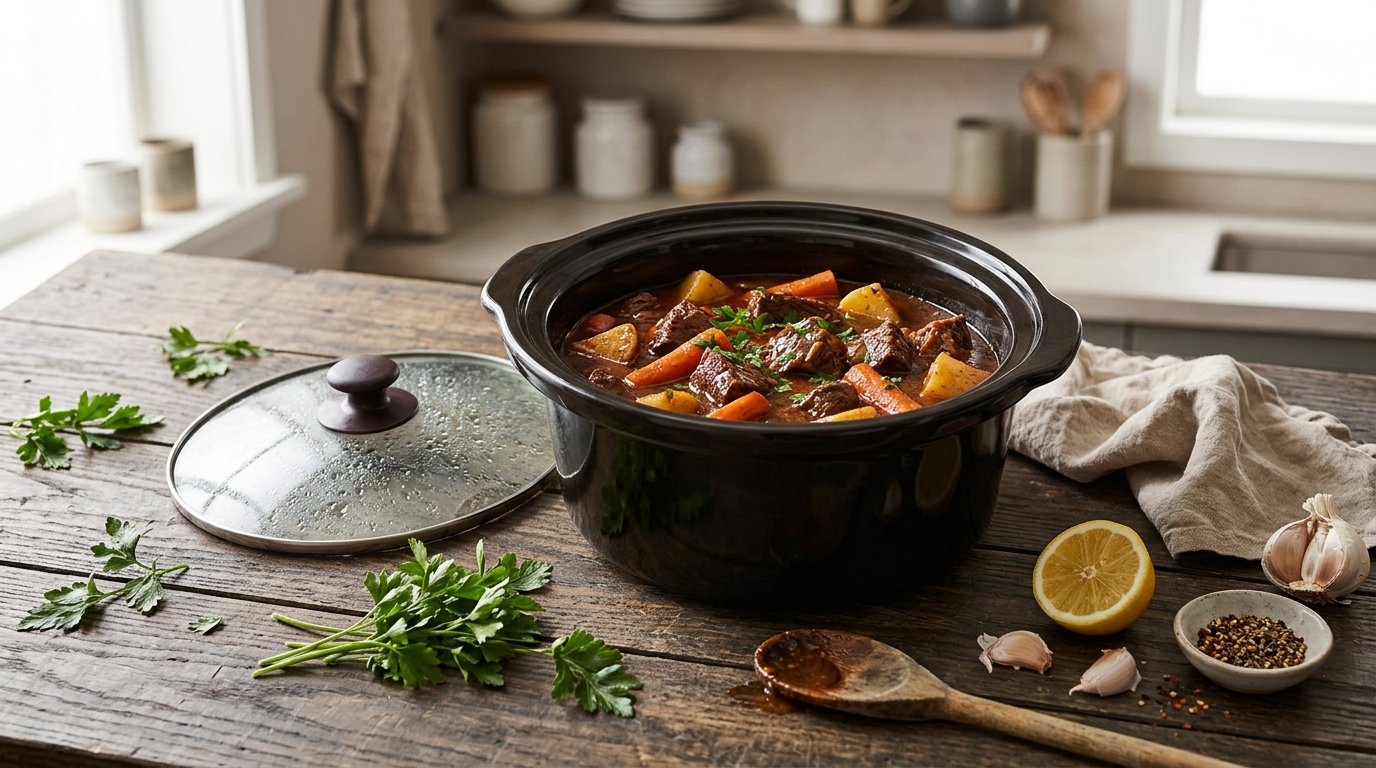
Most slow cooker disappointments come down to two physics differences compared with stovetop cooking. First, a sealed lid traps steam inside the stoneware insert, so liquid barely evaporates while meat and vegetables release natural juices (Food For Fitness). Second, slow cookers heat gently from the bottom and sides rather than searing at high temperatures, so ingredients cannot brown or caramelize inside the pot.
Once you account for trapped moisture and indirect heat, fixing a struggling recipe becomes straightforward.
How to Fix Watery or Thin Slow Cooker Sauces
Opening the pot to find thin, soupy liquid instead of glossy gravy is the most frequent slow cooker complaint. You can thicken it in under 30 minutes with one of three reliable methods:
- Stir in a cornstarch slurry: Whisk 1 tablespoon of cornstarch with 1 tablespoon of cold water per 2 cups of liquid. Pour it in, switch to HIGH, and cook uncovered for 15 to 20 minutes until thickened (Just Slow Cooker Recipes).
- Evaporate with the lid off: Remove the lid, turn the cooker to HIGH, and simmer uncovered for 20 to 30 minutes—ideal for tomato sauces and chilis that already have body (Food For Fitness).
- Mash starchy ingredients: For chili or potato stew, scoop out a ladleful of beans or cooked vegetables, mash them smooth, and stir them back in for natural thickness (Food For Fitness).
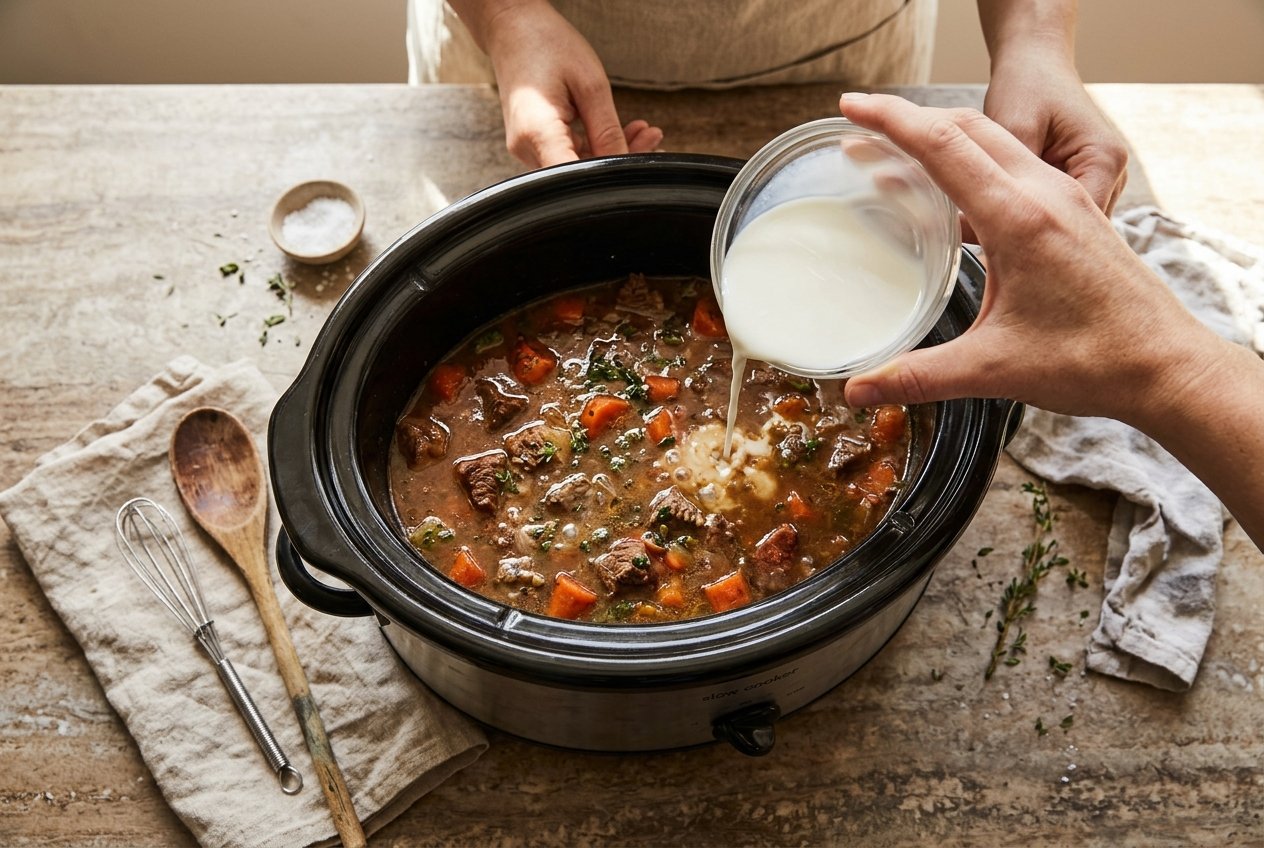
Next time, cut added stock, broth, or wine by 25% to 50% when adapting a stovetop recipe. Official Crock-Pot cooking guidance notes that ½ to 1 cup of added liquid is usually plenty for non-soup dishes, because meat and vegetables release substantial moisture as they cook.
How to Rescue Bland or Flat Slow Cooker Meals
Long, gentle simmering mutes delicate aromatics and washes out subtle seasonings. If your meal tastes flat right before serving, rebuild flavor in three quick steps:
- Add bright acidity: A squeeze of fresh lemon juice, a splash of vinegar, or a dash of Worcestershire sauce cuts through heavy flavors and wakes up the whole dish immediately (Food For Fitness).
- Boost umami and salt: Taste carefully—large batches often need more salt than expected. A teaspoon of soy sauce, tomato paste, or grated Parmesan deepens savory richness.
- Refresh with herbs at the finish: Fresh herbs lose their aroma over long cook times, so stir chopped parsley, cilantro, or basil in right before serving. For dried herbs, Crock-Pot’s seasoning guidelines recommend adding half at the start and adjusting the rest near the end.
Next time, spend five minutes sautéing onions and garlic and browning your meat in a skillet first. Deglazing those browned pan bits with broth adds roasted depth that a slow cooker cannot build alone (Mashed).
Fixing Tough, Dry, or Overcooked Meat
Meat texture problems fall into two opposite categories, each needing a different fix.
If beef chuck, brisket, or pork shoulder still feels tough, it is usually undercooked rather than ruined. Connective tissue needs steady low heat to melt into tender gelatin. Keep the lid closed, cook on LOW, and give it an extra 60 to 90 minutes (Which?). Resist peeking—lifting the lid drops internal heat and can add up to 30 minutes of recovery time per peek (Mashed).
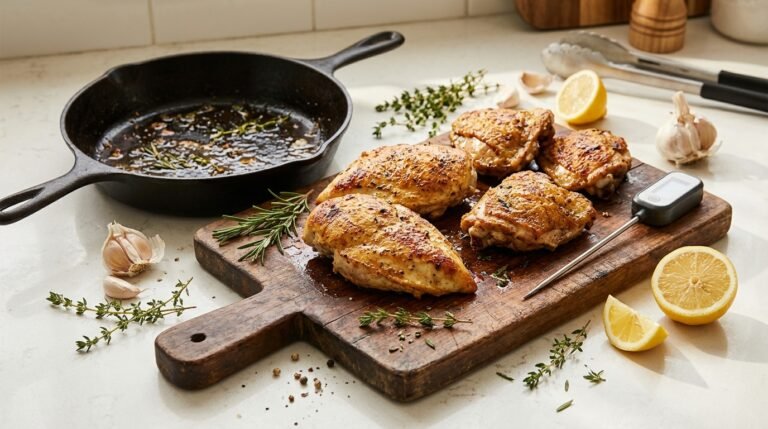
Lean cuts like boneless chicken breast dry out when cooked too long, especially on HIGH. If chicken or pork loin is already dry, shred it finely and toss it back into warm sauce with a spoonful of butter, olive oil, or Greek yogurt so the fibers reabsorb moisture, or repurpose it into tacos and baked pasta (Food For Fitness). For future batches, choose marbled cuts like chicken thighs or beef chuck and keep the pot halfway to three-quarters full (Mashed).
Solving Mushy Vegetables, Hard Roots, and Curdled Dairy
Even when meat turns out well, vegetables and dairy can throw off texture. Proper layering and timing fix both.
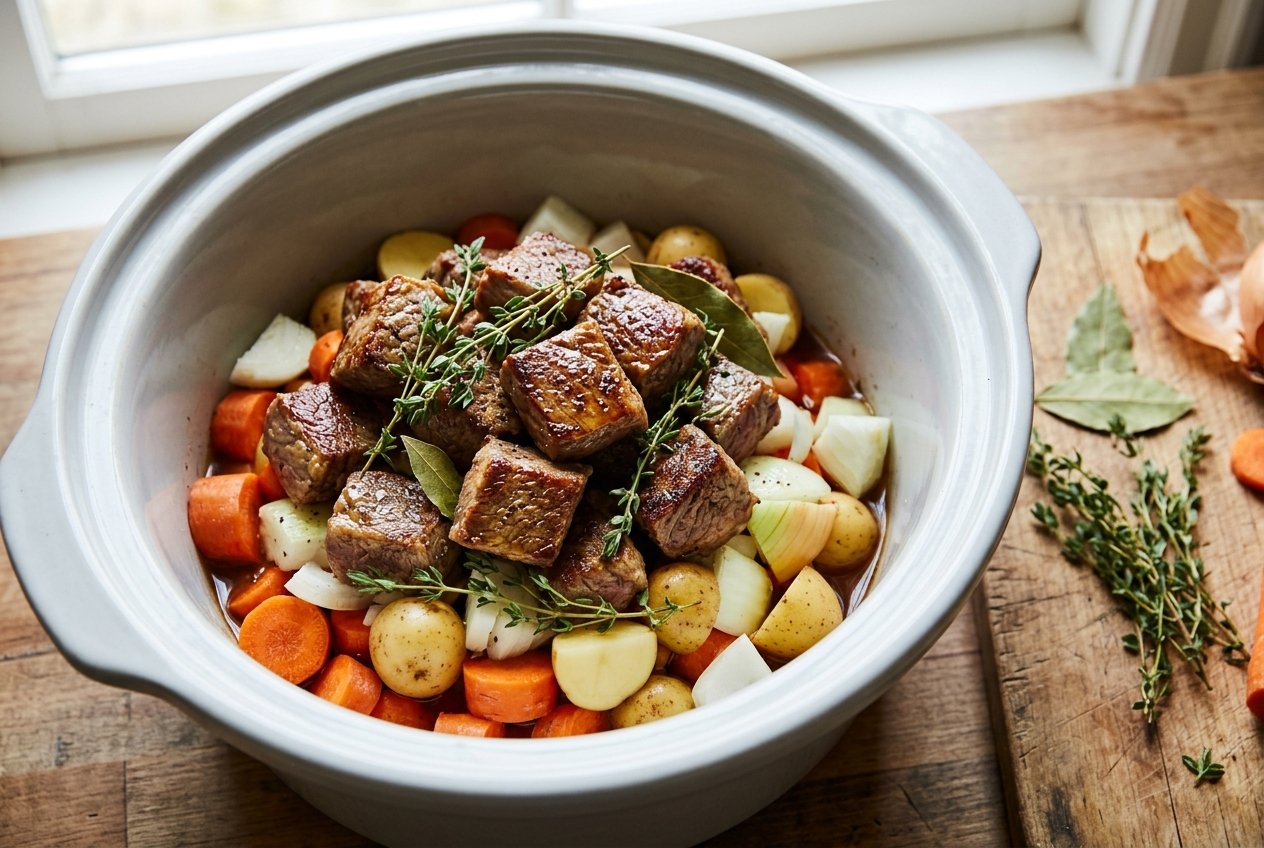
Because the heating element sits at the bottom and lower sides, cut dense root vegetables (potatoes, carrots, parsnips) into uniform chunks and place them at the bottom or edges, with meat on top (Crock-Pot). Add quick-cooking vegetables like peas, spinach, or zucchini during the final 30 minutes so they stay vibrant instead of turning mushy.
Dairy and pasta need the same late timing. Milk, cream, sour cream, and soft cheeses curdle under prolonged simmering—stir them in only during the last 15 to 30 minutes until warmed through (Crock-Pot). Cook pasta separately and fold it in at the end, and always thaw frozen meat completely before slow cooking so ingredients do not linger in the unsafe temperature zone below 140°F (Mashed).
Quick Reference: Slow Cooker Troubleshooting Chart
| Common Problem | Quick Fix Tonight | Prevention for Next Time |
|---|---|---|
| Watery sauce | Whisk 1 tbsp cornstarch + 1 tbsp cold water per 2 cups liquid; cook uncovered on HIGH 15–20 min. | Cut added broth by 25–50%; use ½ to 1 cup liquid for non-soup dishes. |
| Bland flavor | Add lemon juice or vinegar, adjust salt, stir in soy sauce or tomato paste, finish with fresh herbs. | Sauté onions/garlic and sear meat in a skillet before loading the pot. |
| Tough beef or pork | Keep lid closed and cook 60–90 minutes longer on LOW so collagen breaks down. | Choose marbled cuts (chuck, shoulder, brisket) and avoid lifting the lid. |
| Dry chicken breast | Shred meat finely and toss with warm sauce, butter, or Greek yogurt. | Switch to chicken thighs or shorten cooking time on LOW. |
| Mushy veggies or curdled dairy | Skim separated fat, blend creamy soups smooth, or top with crisp garnishes. | Layer root veggies at the bottom; add delicate veggies and dairy in the last 15–30 min. |
Frequently Asked Questions
Can you fix a slow cooker meal that is too salty?
Yes. Stir in unsalted broth or water, add a splash of lemon juice or vinegar to balance the saltiness, or serve over plain rice, mashed potatoes, or unsalted pasta.
Why does my slow cooker burn food around the edges?
Scorching usually happens when the pot is less than half full, lacks enough moisture, or runs too long on HIGH instead of LOW. Fill the stoneware halfway to three-quarters full (Mashed).
Should I use LOW or HIGH when fixing a recipe?
Use LOW to tenderize tough meat gently, and reserve HIGH (uncovered) for the final 15 to 30 minutes to evaporate liquid or activate a cornstarch slurry (Just Slow Cooker Recipes).