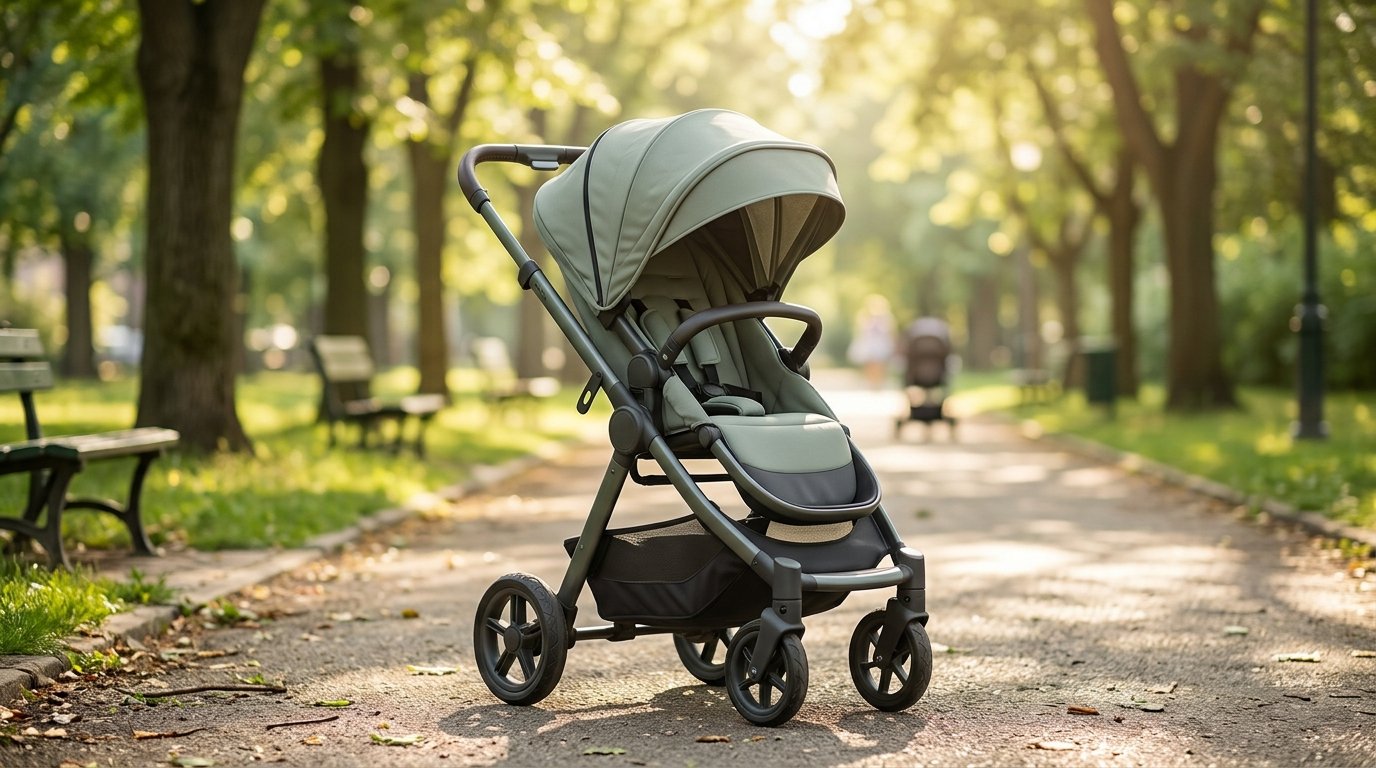
How to Choose a Baby Stroller: A Practical Parent’s Buying Guide
Choosing a baby stroller sounds simple until you walk into a store—or open ten browser tabs—and see dozens of models that all claim to do everything. Some fold into a backpack-sized square, others look built for rocky mountain trails, and prices swing from under a hundred dollars to well over a thousand.
The secret to picking the right stroller is not chasing the longest feature list. It comes down to matching the stroller’s design to your baby’s stage, your daily routine, and the spaces you navigate every week. This guide breaks down how to choose a baby stroller calmly and practically, without paying for extras you will rarely use.
Start With Your Daily Routine and Lifestyle
Before comparing brands, picture a normal week with your baby. Where will the stroller spend most of its time?
- City sidewalks and public transit: Weight, a narrow wheelbase, and a quick one-handed fold matter most when you carry a stroller up apartment stairs, board buses, or weave through crowded shops.
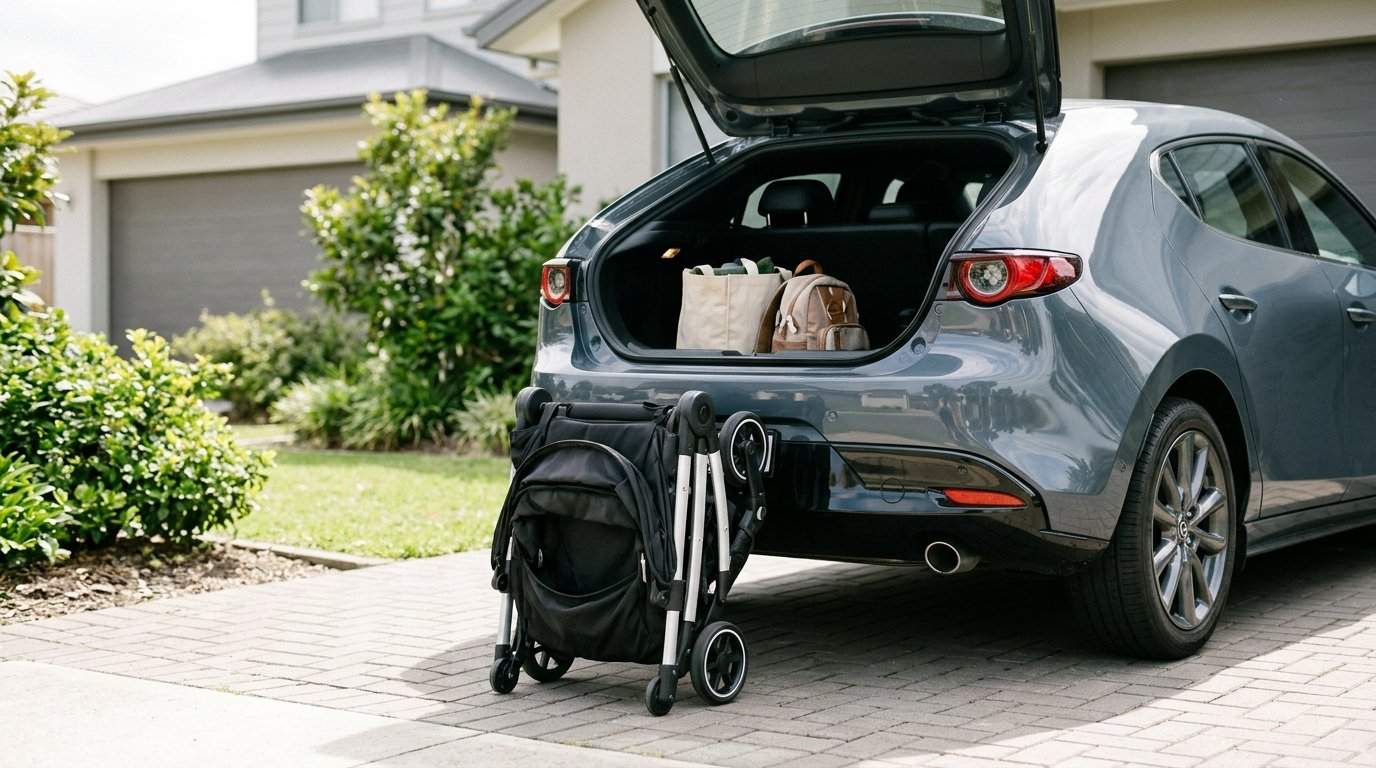
- Suburban errands and car travel: If you load the stroller into a trunk several times a day, check the folded dimensions and total weight. A heavy frame can feel manageable in a showroom yet exhausting in a parking lot.
- Parks, gravel, and uneven pavement: Larger wheels and four-wheel suspension absorb bumps far better than small plastic tires, keeping your baby comfortable on neighborhood walks.
- Frequent flights or road trips: A compact travel stroller that fits easily in a small trunk or overhead aircraft bin saves hassle at security gates and baggage claim.
Thinking about your environment first narrows the field immediately and prevents you from buying a bulky model that sits unused in the hallway.
Understand the Main Types of Baby Strollers
There is no single stroller that fits every family, so it helps to understand the core categories outlined in Snuggle Bugz’s stroller type guide and tested by BabyGearLab.
| Stroller Type | Best For | Key Strength | Main Trade-Off |
|---|---|---|---|
| Full-Size Stroller | Everyday use from infancy through toddlerhood | Sturdy frame, deep storage basket, plush seat recline | Heavier and bulkier to lift into small trunks |
| Travel System | Newborns who ride frequently in the car | Infant car seat clicks directly onto the stroller frame | Outgrown car seat eventually leaves a larger base |
| Lightweight / Travel Stroller | Flying, city transit, and quick errands | Easy to carry, compact fold, nimble steering | Smaller wheels and lighter under-seat storage |
| Jogging / All-Terrain Stroller | Runners, trails, grass, and rough sidewalks | Large air-filled tires and strong shock absorption | Wide footprint and heavier folded size |
| Double / Convertible Stroller | Twins or two young children close in age | Carries two kids in tandem or side-by-side layouts | Wider or longer to maneuver in tight aisles |
Many families start with a full-size stroller or travel system for the first year and later add an inexpensive lightweight umbrella stroller to keep in the car for quick errands. If you plan to have a second child within two to three years, a single-to-double convertible frame can also save money over time.
Match the Stroller to Your Baby’s Age and Stage
Not every stroller is safe to use from day one. Newborns lack the neck and trunk strength to hold their heads upright, so they should never ride in a steep, upright seat.
According to HealthyChildren.org’s stroller safety guide, if your baby cannot sit up independently yet, the stroller needs a backrest that reclines nearly flat—or it should accept a compatible bassinet or infant car seat. Once babies build steady head and neck control, typically after about six months as noted by the Raising Children Network, they can transition comfortably into an upright stroller seat.
Also check the stroller’s maximum weight and height limits before buying. A higher weight capacity lets you keep using the same stroller well into the toddler years, when tired legs still need a ride on long outings.
Essential Stroller Safety Features to Check
Style and color are nice bonuses, but safety hardware should be non-negotiable. In the United States, strollers must meet mandatory federal safety standards under 16 CFR Part 1227, which incorporates the ASTM F833 standard overseen by the U.S. Consumer Product Safety Commission (CPSC) and supported by the Baby Safety Alliance. Look for these essentials:
- Five-point safety harness: Straps that secure over both shoulders, around the waist, and between the legs keep babies and active toddlers from sliding out or standing up.
- Reliable dual-wheel brakes: Choose a foot brake that locks two wheels at once, engages cleanly with sandals or sneakers, and sits out of your child’s reach.
- Wide, stable base: Test how steady the frame feels when you press gently on the handlebar. Avoid hanging heavy diaper bags over the handle, which can tip a stroller backward.
- Secure folding locks: Confirm the frame clicks firmly into place when opened and includes covered hinges so small fingers cannot get pinched.
- Product registration card: Register your stroller after purchase so the manufacturer can notify you promptly if a safety recall is ever issued.
Comfort, Maneuverability, and Everyday Convenience
Small ergonomic details often decide whether you love or resent your stroller six months later. Pay close attention to four practical features:
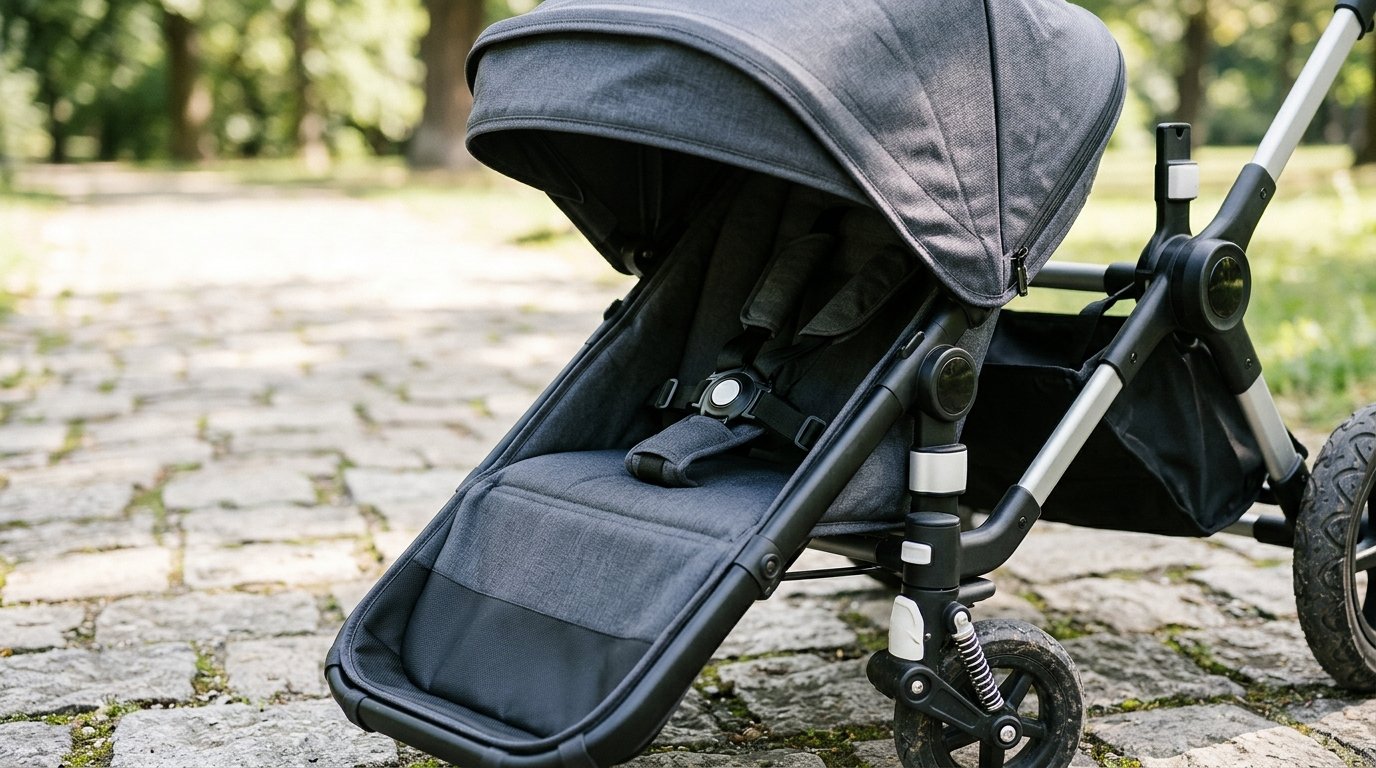
- One-handed folding and standing: Being able to fold the stroller with one hand while holding your baby—and having it stand upright on its own—makes solo outings dramatically smoother.
- Handlebar height: If parents or caregivers are different heights, an adjustable telescoping or pivoting handlebar prevents hunched shoulders and kicked rear axles.
- Sun canopy and ventilation: An extendable canopy with UPF 50+ sun protection, a mesh ventilation panel, and a peek-a-boo window shields your baby from harsh light while letting you check in quietly.
- Washable fabrics and storage access: Spills and crumbs are inevitable, so removable, machine-washable seat pads and an under-seat basket you can reach even when the seat is reclined are well worth prioritizing.
Test Before You Buy and Set a Realistic Budget
Whenever possible, test-drive your top two or three choices in person. Push each stroller with one hand, make tight turns, engage and release the brake, and practice folding and lifting it. If you shop online, measure your car trunk and front doorway first, then compare those numbers against the stroller’s unfolded width and folded dimensions.
Finally, focus on value rather than prestige. Mid-range strollers regularly pass the exact same safety certifications as luxury models while offering smooth steering and durable frames. Spend your budget on the features you will touch every single day—a smooth push, a dependable fold, and comfortable seating—rather than accessories you might use twice.
For more clear, practical everyday guides and product explainers, explore USABite.
Frequently Asked Questions
When can a baby sit in a stroller?
Newborns should ride lying nearly flat, in a bassinet, or in a compatible infant car seat, because they cannot hold their heads upright yet. Once your baby has steady head and neck control and can sit up without help — typically after about six months — they can transition comfortably into an upright stroller seat.
What safety standard should a stroller meet?
In the United States, strollers must meet the mandatory federal safety standard under 16 CFR Part 1227, which incorporates the ASTM F833 standard overseen by the U.S. Consumer Product Safety Commission. Before buying, check for a five-point harness, dual-wheel brakes, a wide stable base, secure folding locks, and a product registration card.
Is a travel system worth it?
A travel system is worth it if your newborn rides in the car frequently, because the infant car seat clicks directly onto the stroller frame without waking your baby. The trade-off is that the car seat stage only lasts about 12 to 18 months, after which you are left with a larger stroller base — so weigh the convenience against how long you will use it.