
Industrial Automation Examples Explained: Robots, PLCs, and Real Factory Systems
Industrial automation examples explained: robotic welding, PLCs, SCADA, DCS and packaging lines — what each system does, where it fits, and how to choose.
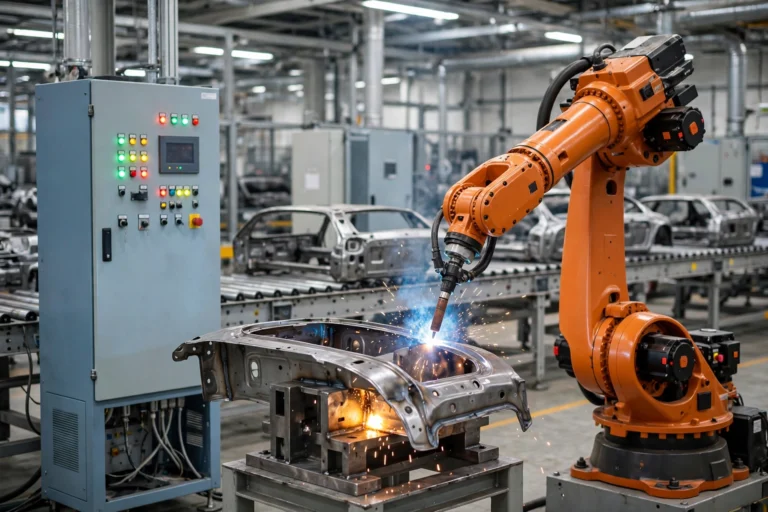
Industrial automation examples explained: robotic welding, PLCs, SCADA, DCS and packaging lines — what each system does, where it fits, and how to choose.
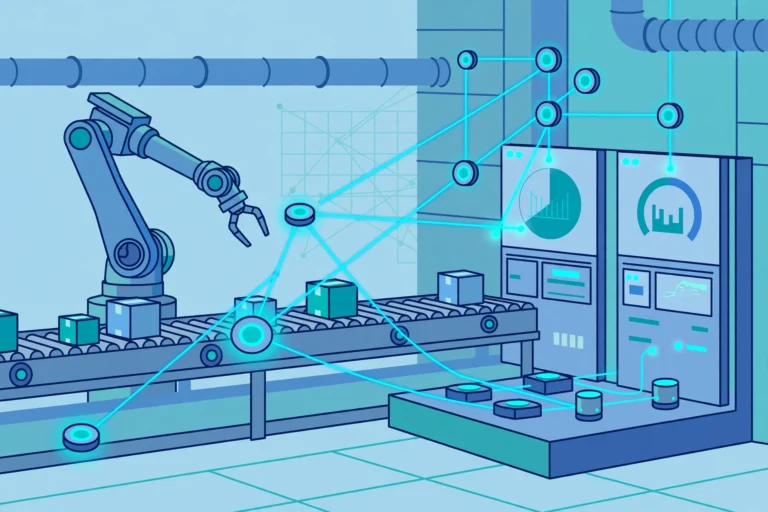
An automation standard is a shared rulebook that lets machines, software and factories work together. Learn ISA-95, OPC UA, IEC 61131-3 and more.
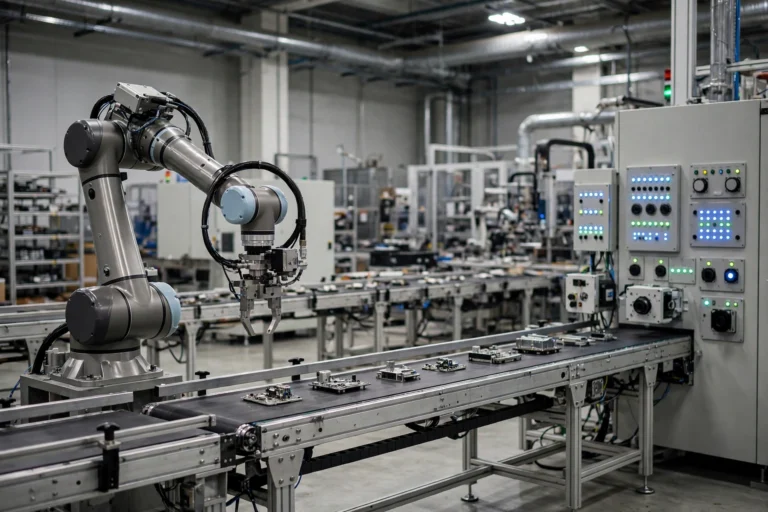
Equipment automation explained: the four types, the hardware and software behind them, costs, and how to pick the right setup for your operation.
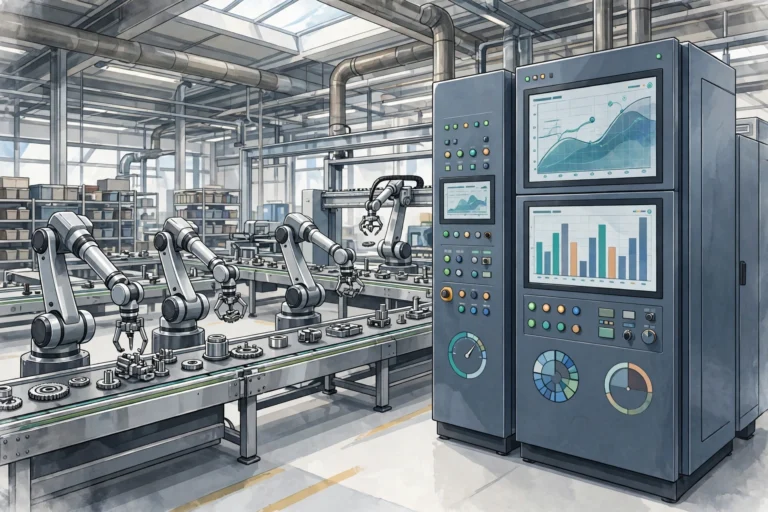
Largest automation companies explained: Siemens, ABB, Rockwell, Schneider and Emerson lead industrial automation — see how they compare and how to choose.
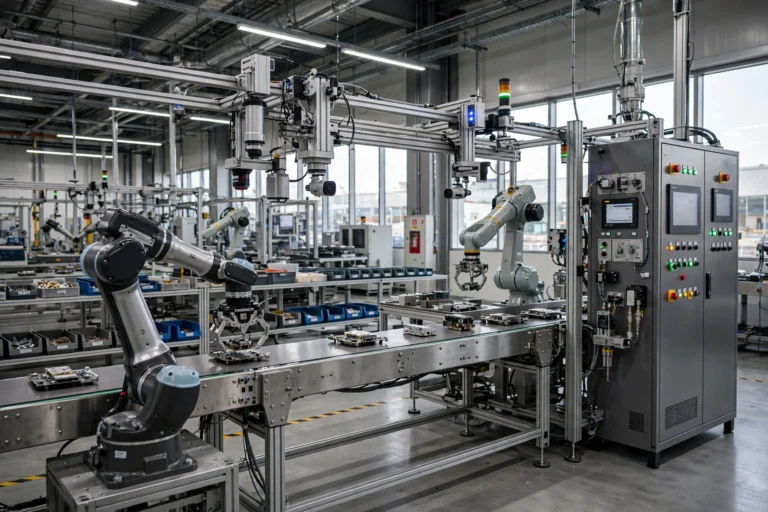
Custom factory automation explained: what it is, the main system types, costs, benefits and risks — and how to tell if your plant is ready for it.
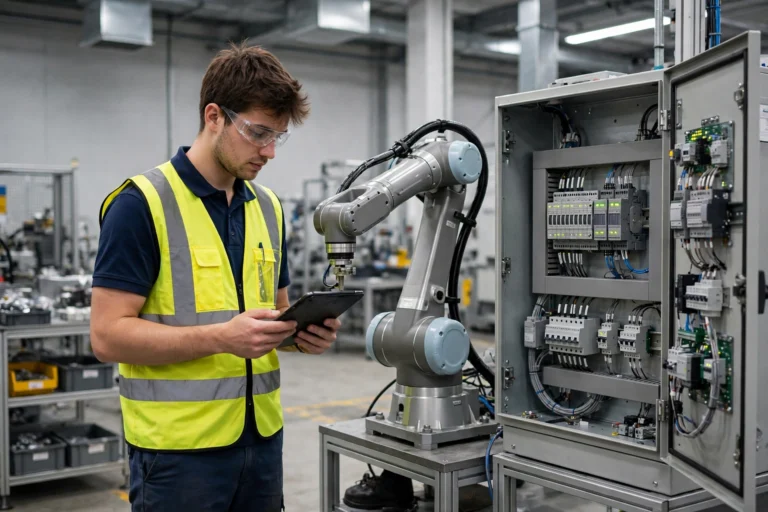
Learn how to become an automation engineer: the degree, PLC and programming skills, certifications, salary, and step-by-step career path into industrial automation.
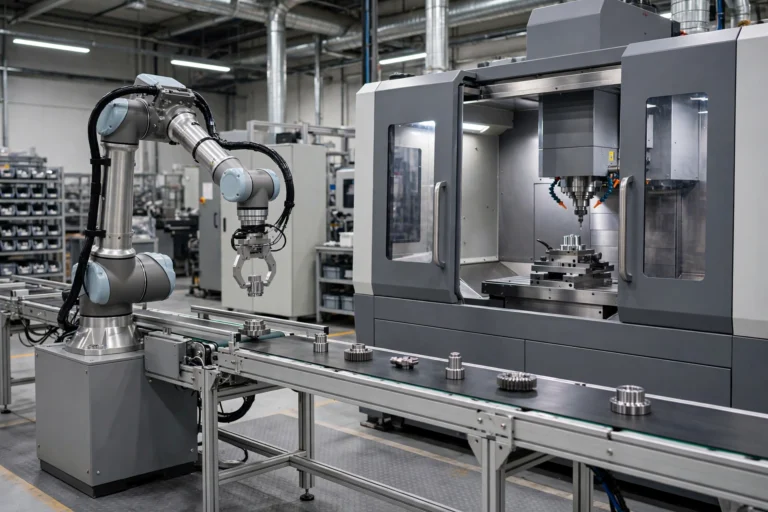
Machine automation solutions explained: the main types, from PLC and CNC to robots and SCADA, plus costs, prerequisites and how to choose the right setup.
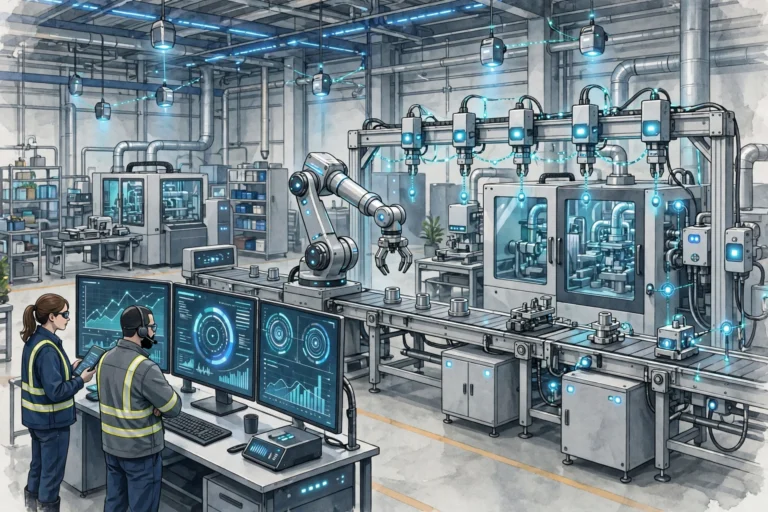
IoT-enabled industrial automation connects sensors, PLCs and analytics so factories see problems early. Learn how it works, what it costs, and where to start.
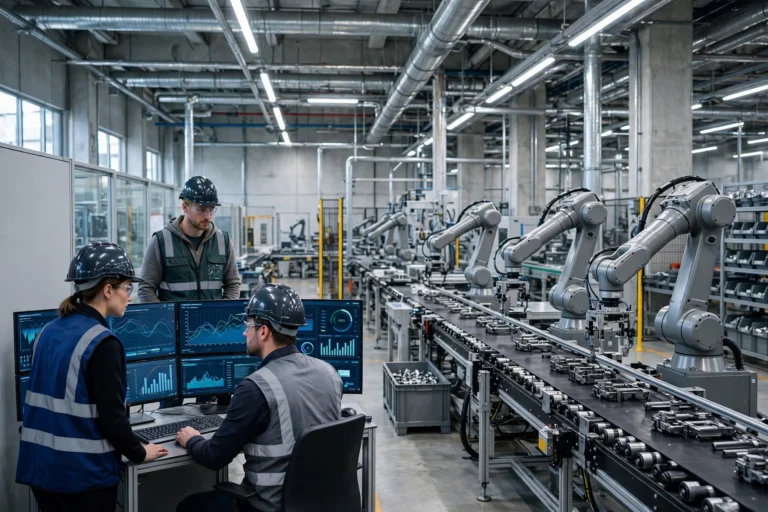
General industries automation explained: how robots, PLCs, and software automate manufacturing, logistics, and utilities — plus benefits, costs, and risks.
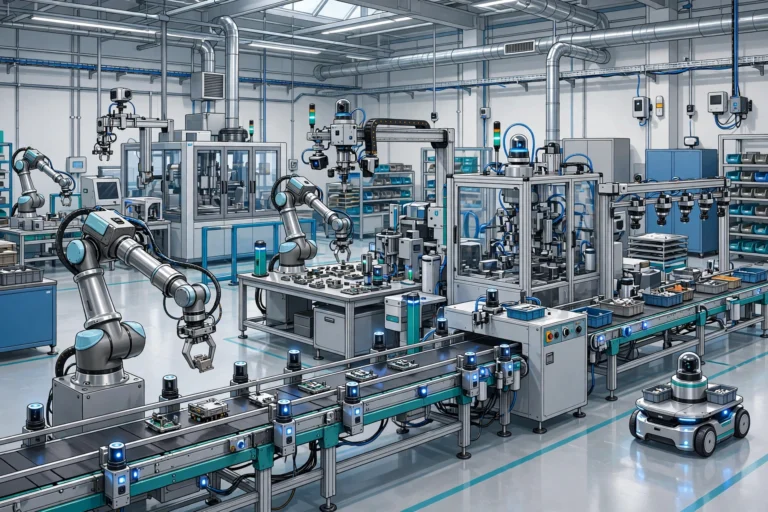
Automation machinery manufacturing explained: how automated machines work, the main types, and where they pay off — in plain English.