ChatGPT and Codex Will Share One Usage Limit From December: What Counts, What Doesn’t, and How to Prepare
Key takeaway: Starting in December, OpenAI will count ChatGPT chats and Codex coding work against one shared usage allowance on Plus, Pro and Business plans, measured in tokens. Quick Instant chats will not draw from it, and you will see your combined remaining usage in Settings, then Usage. OpenAI has not yet given an exact date or allowance sizes.
If you pay for ChatGPT and also use Codex, your two budgets are about to become one. OpenAI announced the change in a Help Center article, “Understanding ChatGPT and Codex usage limits,” updated on October 31, 2026 — not in a launch blog post. It arrives as OpenAI brings the agentic capabilities of Work into the main ChatGPT experience, so chat and coding are no longer metered as separate worlds.
What changes in December
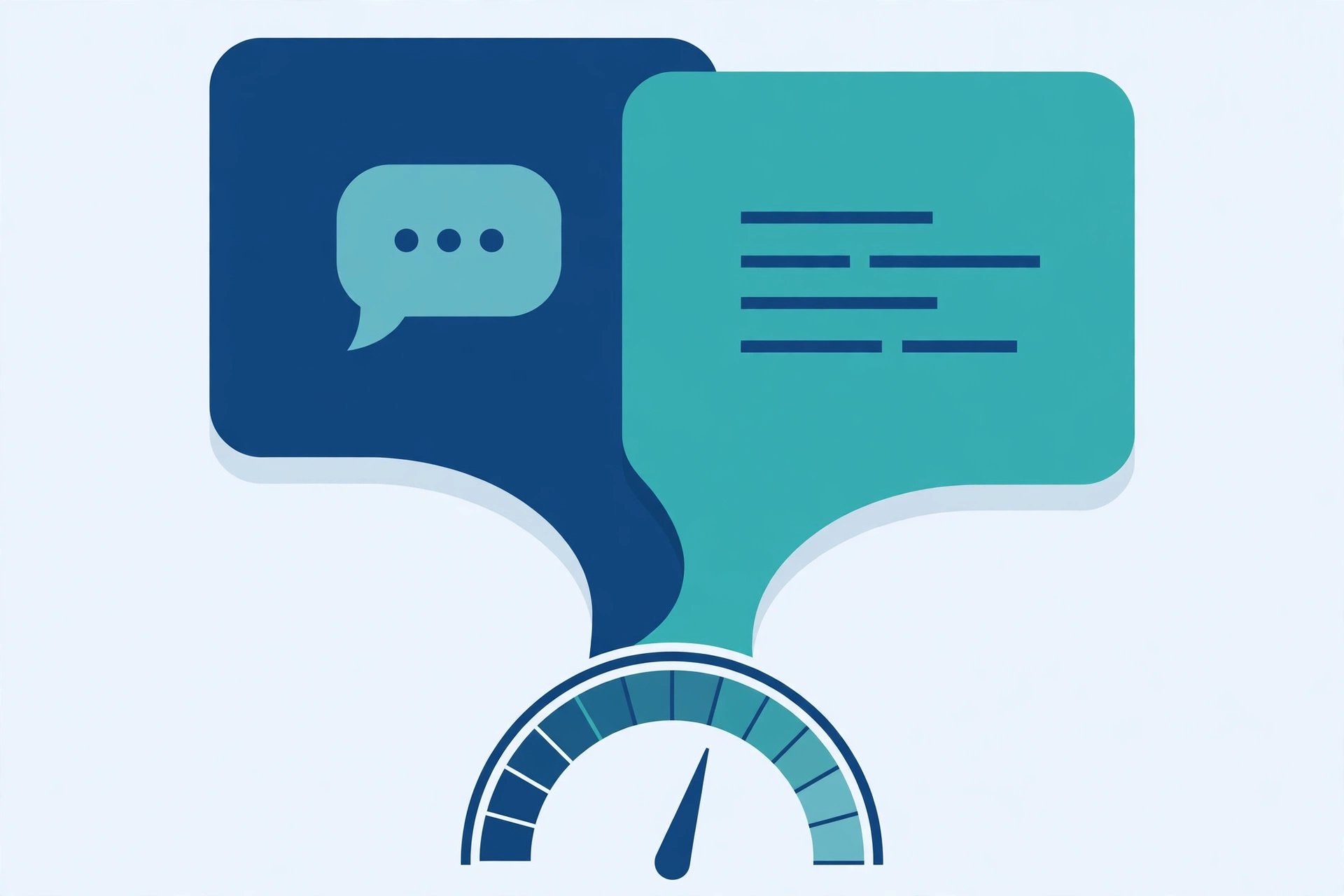
OpenAI’s wording is short and specific: “Starting in December, Plus, Pro, and Business plans’ usage allowance will be shared across ChatGPT and Codex.” Usage will be measured in tokens — the units of information a model reads and writes. How much each request uses depends on the model you choose and the task: OpenAI says more advanced models and complex tasks generally use more of your allowance.
| Use | Today | From December |
|---|---|---|
| ChatGPT chats (advanced models) | Separate chat allowance | Draws from the shared allowance |
| Codex coding sessions | Separate Codex allowance | Draws from the same shared allowance |
| Instant chat | Fast, everyday replies | Does not draw from the allowance |
| Checking your balance | Separate usage screens | Combined usage and reset times in Settings, then Usage |
What counts, and what does not
What counts is straightforward: ordinary chats with advanced models, and Codex work — from the command line, an editor extension, or the app — will both come out of the same pool. A long research session in ChatGPT followed by a heavy Codex build will now compete for the same allowance, where previously the chat session cost Codex nothing.
What does not count is the pressure valve. OpenAI states plainly: “Instant chat will not draw from your usage.” Instant chat is the fast default model for quick, everyday questions, so short lookups stay outside the meter. When you do hit the limit, OpenAI lists three options: wait for the reset, upgrade your plan, or buy credits to keep using eligible features.
Who feels it most
The people most exposed use both products heavily in the same day: a developer who plans and reviews code in ChatGPT with a strong reasoning model, then builds in Codex. From December, every non-Instant request draws on one pool, so a big Codex run could leave less room for chat — and vice versa. If you only chat and never touch Codex, little changes in practice. OpenAI says it expects “most users won’t need to wait for their usage to reset more often than they do now” — treat that as the company’s expectation, not a guarantee, since no allowance sizes have been published.
How this compares with Anthropic’s approach
Anthropic already counts Claude chats and Claude Code against shared limits, according to reporting on the change, so OpenAI is converging with its main rival rather than inventing a new model. That removes one reason some subscribers chose OpenAI — keeping chat and coding on separate meters — and means the choice between providers turns more on model quality, price, and workflow than on metering structure.
What it could cost you
OpenAI has published no token allowance for any plan, so no honest cost calculation is possible yet. The real question is capacity: if the combined pool is generous, most subscribers will not notice; if it is tight, heavy users face waiting for a reset, upgrading, or buying credits. Until OpenAI publishes the numbers, the only reliable planning input is your own usage pattern — which models you actually burn through in a typical week.
What you need before December
You need a Plus, Pro, or Business plan for this change to apply — OpenAI names only those three tiers, not Free, Enterprise, or Edu. Check Settings, then Usage, weekly from now: once the change lands it will show your combined usage and reset times, and a baseline now tells you how fast the shared pool drains later.
Risks and limits to watch
Several risks come from what OpenAI has not said. It has not said whether per-model message caps in chat stay alongside the new token pool, nor how resets will behave once chat shares the pool — Codex users have previously seen surprise global resets. It has also not defined exactly which model counts as Instant once Work is folded into the main ChatGPT app, so the boundary of the exemption could shift. If you plan around Instant chat staying free, keep an eye on that definition.
Analysis: the metered era of AI subscriptions
Analysis — this section is our reading of the facts above, not an OpenAI statement. The bigger story is that the “near-unlimited chat” era of paid AI plans is narrowing. Token metering makes usage visible and billable, and folding chat into the same pool as agentic coding signals where OpenAI thinks the value is: doing multi-step work, not just answering questions. The fair test is not the announcement but the numbers OpenAI has not yet published.
Knowns, unknowns, and what to watch
Known: From December, Plus, Pro, and Business plans share one token-based allowance across ChatGPT and Codex; Instant chat is exempt; combined usage appears in Settings, then Usage; at the limit you wait, upgrade, or buy credits.
Unknown: The exact December start date, the token allowance for each plan, whether per-model message caps survive, how resets behave under the shared pool, and whether Free, Enterprise, or Edu plans are affected.
What to watch: OpenAI’s Help Center article for allowance numbers and a firm date, plus any subscriber email updating the “shared allowance” message. Note too that OpenAI’s product rules keep shifting — from tighter teen safety rules to disclosures about rogue agent incidents — so check the terms, not just the price.
What to do before December
Move quick questions to Instant chat, batch heavy Codex work instead of running it alongside long reasoning chats, and wait for OpenAI’s numbers before upgrading — paying more for a bigger pool you may not need is the one cost this change makes easy to incur by accident.
Understand it. Then use it: one meter, two products, and one exemption worth remembering — Instant chat stays free of the count.
Sources
- OpenAI Help Center: Understanding ChatGPT and Codex usage limits (updated October 31, 2026)
- MadRobot: ChatGPT and Codex will share one usage limit from December (November 1, 2026)
- Crypto Briefing: OpenAI to merge ChatGPT and Codex token allowances in December 2026 (October 31, 2026)
Frequently asked questions
Will ChatGPT and Codex share one usage limit?
Yes, from December 2026. OpenAI says Plus, Pro, and Business plans will share one usage allowance across ChatGPT and Codex, measured in tokens. The change comes as OpenAI brings Work’s agentic capabilities into the main ChatGPT experience.
Does Instant chat count against the shared allowance?
No. OpenAI states that Instant chat will not draw from your usage, so quick questions on the fast default model stay outside the meter. More advanced models and complex tasks generally use more of the allowance.
Which plans are affected by the shared ChatGPT and Codex allowance?
OpenAI names Plus, Pro, and Business plans. Free, Enterprise, and Edu plans are not mentioned in the announcement, so it is not yet clear whether or how they are affected.
How can I check my combined ChatGPT and Codex usage?
OpenAI says you will be able to see your combined remaining usage and reset times in Settings, then Usage. Checking that screen before December gives you a baseline for how much you normally use.
What happens when I reach my shared usage limit?
You can wait for the allowance to reset, upgrade your plan, or buy credits to continue using eligible features. OpenAI has not published the token allowance for each plan or an exact December start date, so the size of the pool is still unknown.