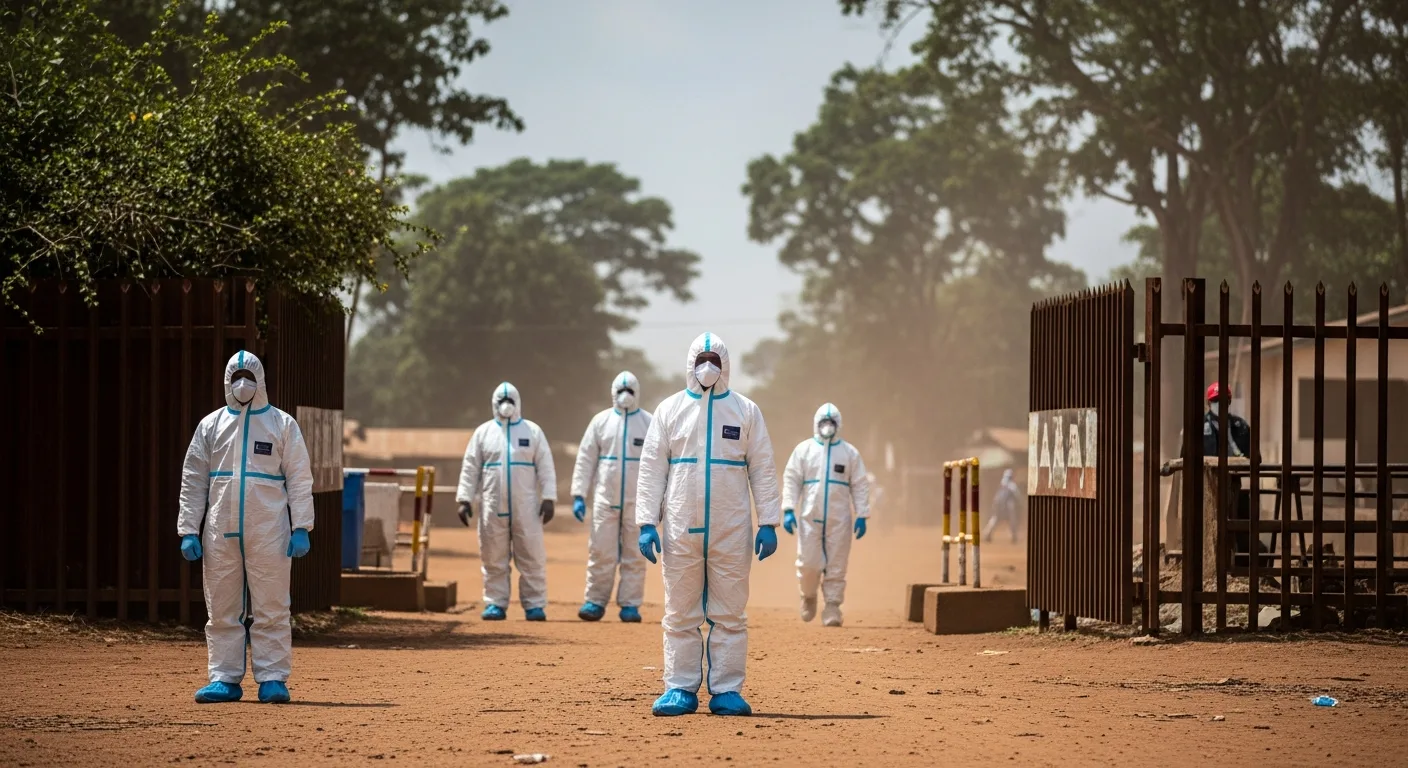
Tragic Ambush in Port-au-Prince: Three Missionaries Killed as Haiti’s Security Crisis Reaches Critical Flashpoint
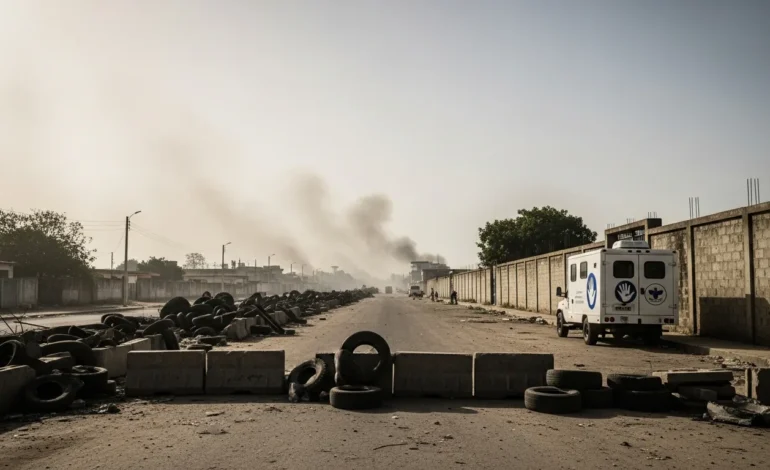
PORT-AU-PRINCE, Haiti — In a major development that underscores the catastrophic collapse of order in the Caribbean, three missionaries—including the daughter and son-in-law of a Missouri state lawmaker—were killed Thursday evening during a violent gang ambush in the nation’s capital.
The deaths of Natalie Lloyd, her husband Davy Lloyd, and a third unidentified Haitian pastor have sent shockwaves through the international humanitarian community. The incident occurred in the Lizon neighborhood of Port-au-Prince, an area increasingly besieged by the warring factions that now control an estimated 80 percent of the city. For everyday Americans, the tragedy serves as a grim reminder of the deteriorating safety of U.S. citizens abroad in regions where the rule of law has been effectively replaced by gang sovereignty.
The Anatomy of a Fatal Ambush
According to preliminary reports from the scene, the missionaries were leaving a youth group meeting at a local church when they were cornered by three vehicles carrying armed gang members. The victims were reportedly forced into a residence where they were subsequently shot. The organization they served, Missions in Haiti, Inc., had operated in the country for decades, providing essential services such as education and medical care to impoverished communities.
The loss is particularly poignant in the United States, where Missouri State Representative Ben Baker confirmed the passing of his daughter and son-in-law. In a statement released shortly after the news broke, political leaders expressed a mix of grief and outrage, calling for a more robust international response to the anarchy that has gripped Haiti since the assassination of President Jovenel Moïse in 2021.
Expert analysts note that this specific attack highlights a shift in gang tactics. While kidnappings for ransom have been the primary revenue stream for these criminal enterprises, the indiscriminate violence displayed in this ambush suggests a hardening of the security environment where even well-known humanitarian workers are no longer afforded the informal protections they once held.
Haiti’s Descent into Systemic Anarchy
The security vacuum in Haiti has reached a level that international observers describe as unprecedented. The current crisis is characterized by several key factors:
- Gang Coalitions: Groups like the “Viv Ansanm” alliance have unified disparate criminal elements, allowing them to overpower the underfunded and outgunned Haitian National Police.
- Humanitarian Paralysis: With major ports and roads under gang control, the delivery of food, medicine, and fuel has become nearly impossible, pushing the nation toward a famine state.
- Political Instability: The lack of a functioning parliament or an elected president has left a leadership void that criminal leaders like Jimmy “Barbecue” Chérizier have sought to fill.
For the average American observer, the situation in Haiti may seem distant, but the geopolitical implications are significant. The instability has triggered a massive migration crisis, with thousands of Haitians attempting the perilous journey to U.S. shores, placing additional strain on American border resources and domestic policy debates.
The Stalled International Response
This tragedy occurs at a pivotal moment as the international community debates the efficacy of a UN-backed security mission. A planned deployment of 1,000 Kenyan police officers, intended to bolster the local force, has been mired in legal challenges in Nairobi and funding delays in Washington. While the U.S. has pledged hundreds of millions of dollars in logistical support, there is a clear reluctance to commit American “boots on the ground,” citing the complicated history of previous foreign interventions in Haiti.
Reports suggest that the death of American citizens may accelerate the timeline for this international mission. However, critics argue that a police-centric approach may be insufficient to address the deep-seated social and economic inequities that fuel gang recruitment. The State Department continues to maintain a Level 4: Do Not Travel advisory for Haiti, the highest warning level, citing kidnapping, crime, and civil unrest.
A Warning to the Global Community
The killing of the Lloyds and their colleague is more than a localized crime; it is a symptom of a failed state. As gangs continue to utilize high-caliber weaponry—often smuggled from the United States—the disparity between the criminals and the authorities continues to widen. The mission of these individuals, which was rooted in faith and community development, was ultimately cut short by a cycle of violence that shows no signs of abating without significant, sustained external intervention.
As the Missouri community mourns, the broader conversation in Washington will likely pivot toward how to protect the thousands of other U.S. citizens still residing in or visiting high-risk zones. The tragedy in Port-au-Prince is a stark illustration that in the absence of governance, no amount of goodwill can guarantee safety.
Frequently Asked Questions
Why is the security situation in Haiti currently so dangerous?
The security situation has collapsed following the 2021 assassination of President Jovenel Moïse. Since then, gangs have taken control of approximately 80% of the capital, Port-au-Prince, using violence and kidnappings to exert power in the absence of a functioning government or police force.
Who were the American missionaries killed in the attack?
The victims included Natalie Lloyd, the daughter of Missouri State Representative Ben Baker, and her husband, Davy Lloyd. They were working with Missions in Haiti, Inc., a long-standing humanitarian organization focused on youth and community support.
What is the status of the international police force meant to help Haiti?
A UN-backed mission led by Kenya has been authorized to deploy to Haiti to assist the national police. However, the mission has faced significant delays due to legal hurdles in Kenya and logistical challenges in securing the necessary international funding and equipment.
What are the current U.S. travel warnings for Haiti?
The U.S. State Department has issued a Level 4 “Do Not Travel” advisory for Haiti. This is the highest level of warning, indicating a high risk of life-threatening violence, kidnapping, and limited ability for the U.S. embassy to provide emergency services to citizens.