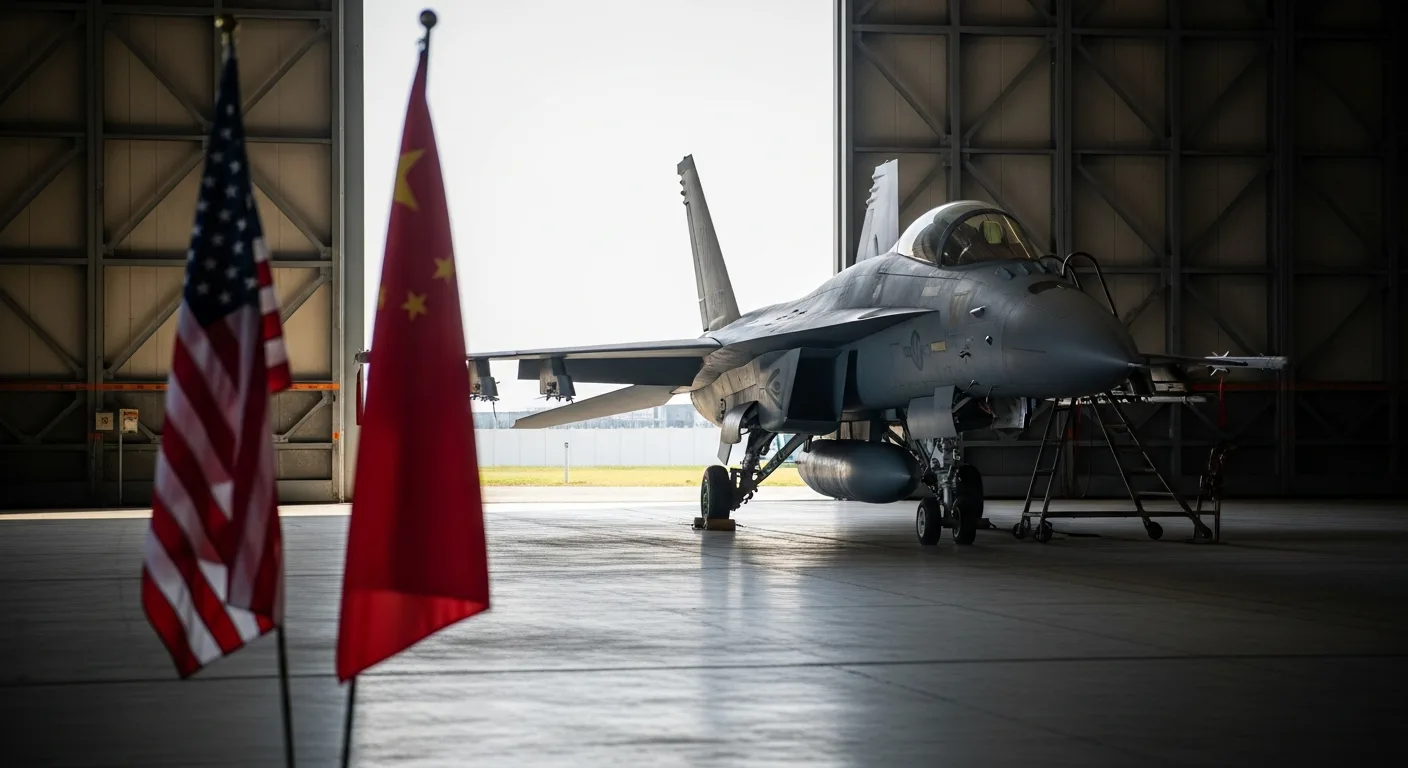
Trump Signals Imminent Nuclear Accord with Iran Amid Lingering Military Warnings
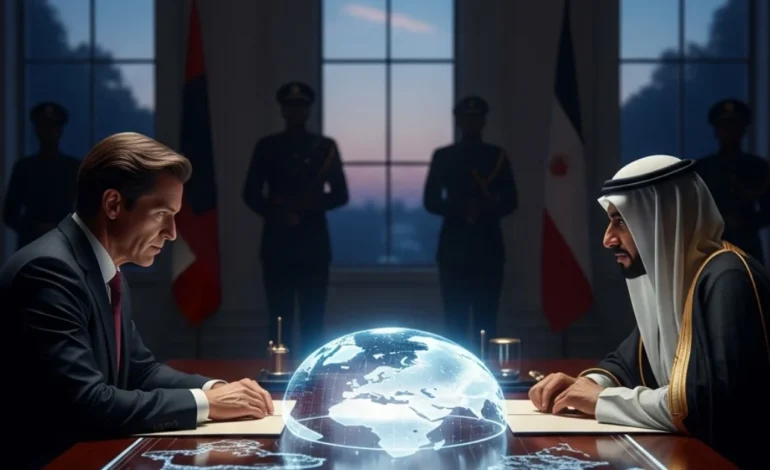
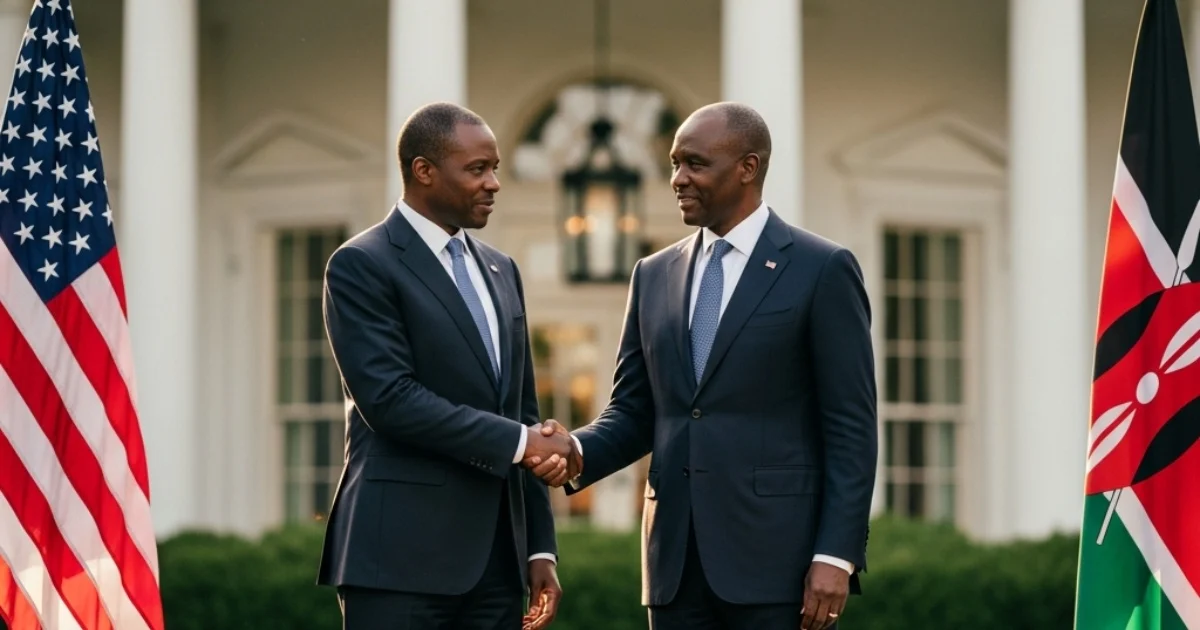
WASHINGTON, D.C. — In a major development that could reshape the American landscape and the balance of power in the Middle East, President Donald Trump has signaled that a historic nuclear accord with Iran is within reach.
The President announced Friday that the United States and Tehran are in the final stages of a comprehensive agreement designed to end years of escalating nuclear tension and economic warfare.
Speaking to reporters, Trump characterized the negotiations as a breakthrough for global security, though he emphasized that the deal must meet every U.S. demand before a final signature is applied.
“We are very, very close to a deal that will finally address the nuclear threat once and for all,” Trump stated during the briefing. “But let me be clear: if we don’t get what we want, we go back to the alternative.”
A High-Stakes Diplomatic Pivot
The announcement marks a tectonic shift in U.S. foreign policy, moving from a period of intense sanctions and military posturing toward a potential normalization of nuclear oversight.
This diplomatic surge comes as other major powers undergo shifts, including a potential geopolitical pivot for the West following the upcoming British general election.
The President’s focus on international security arrives even as his domestic agenda is punctuated by historic legal proceedings in New York that continue to capture national attention.
White House officials suggest the new framework aims to go beyond the 2015 JCPOA, seeking stricter enrichment limits and more intrusive inspections by the International Atomic Energy Agency (IAEA).
Military Readiness and Strategic Ambiguity
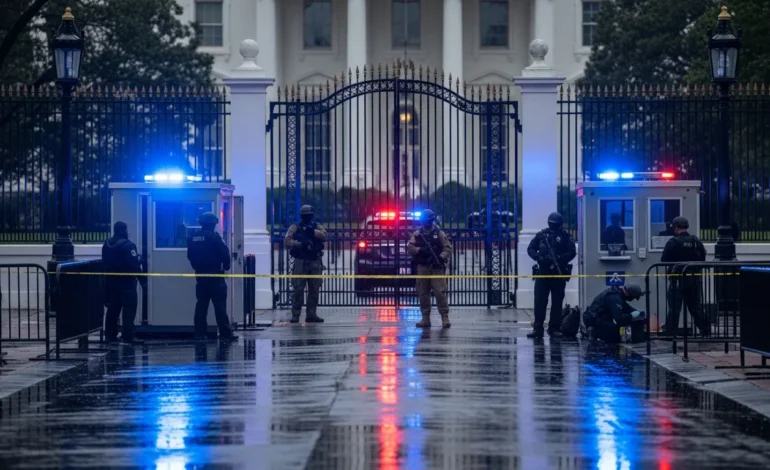
Despite the optimism, the President maintained a tone of strategic ambiguity, warning that the U.S. military remains “locked and loaded” should the final round of talks falter.
“I have instructed the Pentagon to maintain full readiness,” Trump said. “We are negotiating for peace, but we are prepared for any outcome that protects American interests.”
Defense analysts suggest the dual-track approach is intended to keep pressure on Iranian negotiators as the two sides hammer out the final language regarding long-range ballistic missile development.
The President indicated that the deal would include a significant rollback of economic sanctions that have crippled the Iranian economy, provided Tehran provides verifiable proof of its compliance.
Global Markets and Regional Reactions
Global oil markets reacted immediately to the news, with crude futures dipping on the prospect of Iranian oil officially returning to the global supply chain without restriction.
Allies in the Middle East, particularly Israel and Saudi Arabia, are reportedly monitoring the developments with cautious skepticism, awaiting the specific details of the enforcement mechanisms.
The administration has promised to brief Congressional leaders early next week on the specifics of the “historic” framework, anticipating a heated debate on Capitol Hill over the terms of the agreement.
If finalized, the deal would represent one of the most significant diplomatic achievements of the Trump administration, potentially altering the security architecture of the Middle East for a generation.
Negotiators from both nations are expected to meet in Geneva over the weekend to finalize the technical annexes of the document.
The White House has not yet set a date for a formal signing ceremony, though sources suggest it could happen as early as next month if the remaining hurdles are cleared.
Frequently Asked Questions
What is the current status of the U.S.-Iran nuclear deal?
President Trump has announced that the two nations are nearing a final agreement, with most major points of contention resolved, though final technical details are still being negotiated in Geneva.
Does this deal replace the previous 2015 JCPOA?
The administration describes this as a completely new framework that seeks more stringent enrichment limits and broader oversight than the original 2015 agreement which the U.S. exited in 2018.
What happens if the final negotiations fail?
The President has explicitly stated that he is prepared to resume military options and “maximum pressure” sanctions if the current diplomatic efforts do not meet U.S. national security requirements.
How will this impact global oil prices?
Expectations of a deal have already led to a slight decline in oil prices, as the lifting of sanctions would allow Iran to legally export significantly more crude oil to the global market.