Trump Sparks Firestorm After Calling Rising Gas Prices ‘Peanuts’ for Wealthy Citizens

WASHINGTON, D.C. — In a major development that could reshape the American political landscape, President Donald Trump ignited a fierce firestorm Friday by dismissing surging national gas prices as “peanuts” for wealthy Americans, a statement that critics argue highlights a profound disconnect from the economic realities facing the middle class.
The comments, delivered during a high-profile address, come at a critical juncture as fuel costs continue to climb ahead of the summer driving season. The President’s suggestion that high energy costs are an insignificant factor for a segment of the population has drawn immediate and sharp rebukes from consumer advocacy groups.
“For people with money, these prices are peanuts,” Trump stated, downplaying the impact of the pump on the average citizen. The rhetoric arrives just as millions of Americans prepare for unprecedented travel demands expected during the record-breaking Memorial Day weekend.
A Growing Economic Divide
The backlash was instantaneous. Economic analysts and consumer advocates were quick to point out that while the wealthy may absorb higher costs with ease, the average American household is feeling a significant squeeze.
Middle-class families, already grappling with persistent inflation, see the rise in fuel costs not as “peanuts,” but as a direct threat to their disposable income and summer plans. The President’s framing of the issue has been characterized by opponents as elitist and out of touch with the logistical struggles of the working class.
Energy experts note that gas prices have been on a steady upward trajectory for months. This trend has complicated the administration’s narrative regarding economic recovery and stability.
Political Fallout and Public Outrage
Political strategists suggest that these comments could not have come at a worse time. With the 2026 midterm cycle looming, the optics of dismissing financial strain are potentially damaging for the administration’s outreach to swing voters.
Opposition leaders have already begun utilizing the “peanuts” quote in digital advertisements, framing it as evidence of a leadership that prioritizes the affluent over the industrious. The controversy also surfaces as the President remains embroiled in various legal challenges, including the closing arguments in his high-stakes legal proceedings regarding past business dealings.
Consumer advocacy groups have called for immediate policy interventions to stabilize energy markets. They argue that the administration should focus on relief for the millions of drivers who do not view their fuel expenses as an insignificance.
The Impact on Summer Mobility
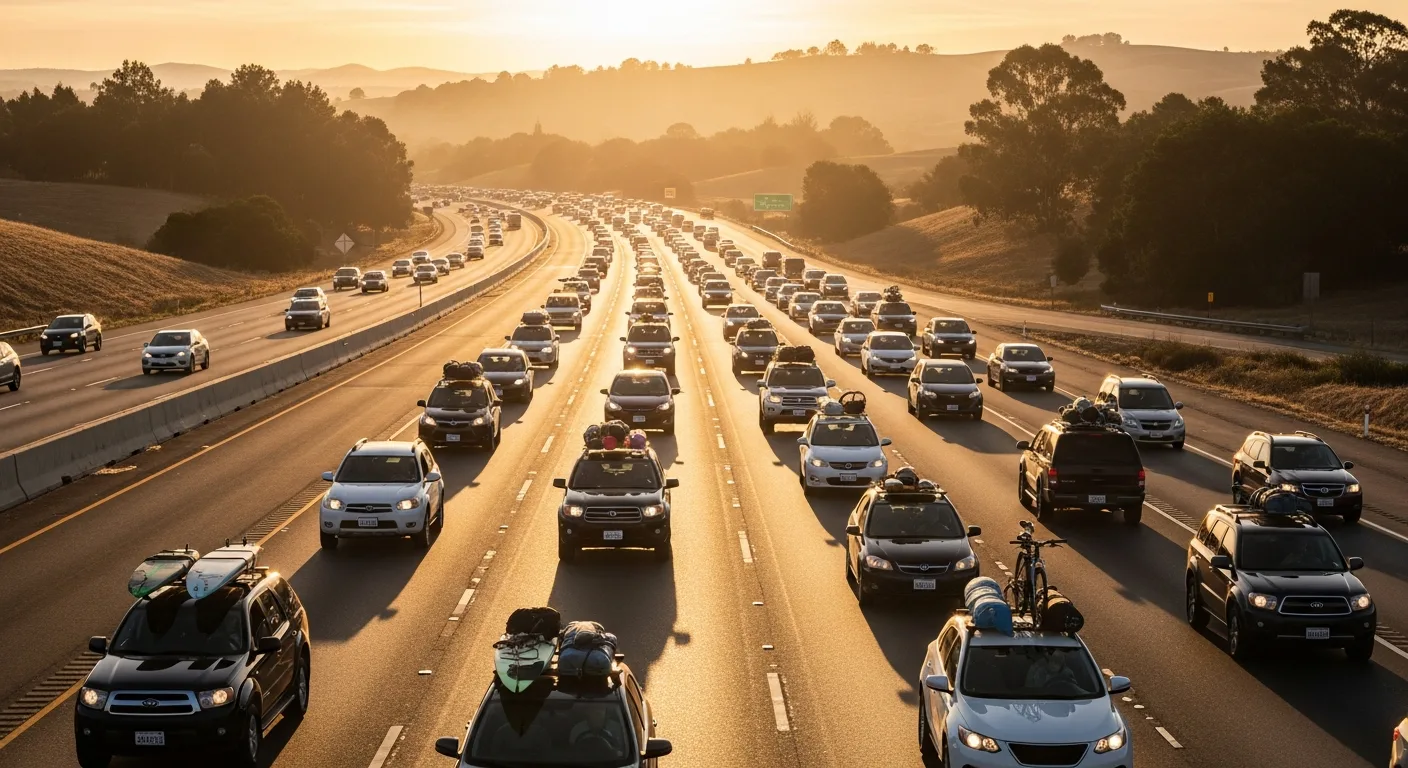
The timing of the President’s remarks is particularly sensitive given the projected surge in road travel. AAA has recently forecasted that nearly 44 million Americans will take to the roads this month, marking a historic peak in domestic movement.
For these travelers, the cost of a full tank of gas is a central component of their holiday budget. When those costs are dismissed by the executive branch, it creates a friction point between the government and the governed.
As the debate intensifies, the White House has attempted to clarify the President’s remarks, suggesting they were intended to highlight the resilience of the American economy. However, the initial “peanuts” comment continues to dominate the news cycle, overshadowing other policy initiatives.
Frequently Asked Questions
What exactly did President Trump say about gas prices?
During a recent address, President Trump referred to rising gas prices as “peanuts” for wealthy Americans, implying that the financial impact was negligible for those with high incomes.
Why are consumer advocacy groups angry about the comment?
Groups argue that the comment ignores the severe financial strain that high fuel costs place on middle-class and low-income families who do not have the luxury of dismissing price hikes.
How are gas prices currently affecting American travel?
Despite high prices, record-breaking travel numbers are expected for Memorial Day 2026, meaning millions of Americans will be directly impacted by the costs the President downplayed.
What is the political significance of this statement?
Critics believe the comment could alienate middle-class voters and provide political ammunition for opponents who wish to portray the administration as out of touch with economic reality.