Trump Suspends $14 Billion Taiwan Arms Sale to Prioritize China Reconciliation
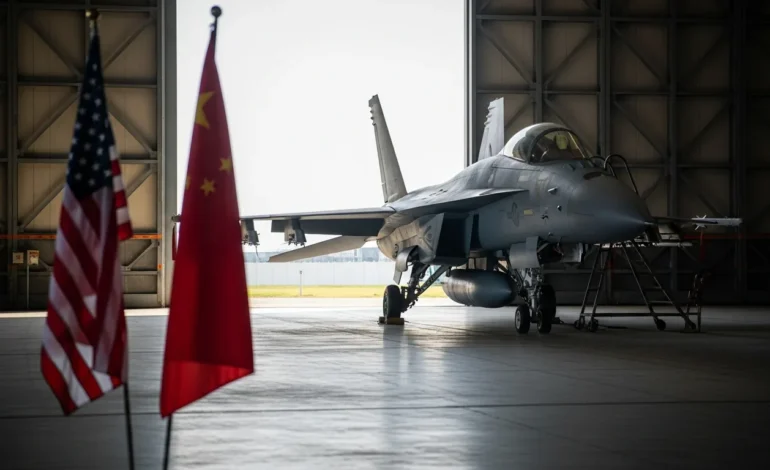
WASHINGTON, D.C. — In a major development that could reshape the Indo-Pacific landscape, President Trump has ordered an immediate freeze on a $14 billion arms sale to Taiwan, citing a need for diplomatic reconciliation with Beijing.
The White House confirmed Sunday that the massive defense package, which includes advanced F-16 fighter jets and Harpoon missile systems, is being held as a strategic gesture to foster new economic ties with China.
The decision marks a significant departure from long-standing U.S. security policy in the region and has sent shockwaves through the halls of power in both Taipei and Washington.
A Shift in Strategic Priorities
The suspended deal, which was authorized by Congress last year, was intended to modernize Taiwan’s aging defense infrastructure amid increasing pressure from the People’s Liberation Army.
Pentagon officials, speaking on the condition of anonymity, indicated that the freeze affects not only hardware but also critical software updates and training programs for Taiwanese pilots.
Administration officials argue that the pause is necessary to provide “breathing room” for high-level trade negotiations scheduled to take place in Beijing next month.
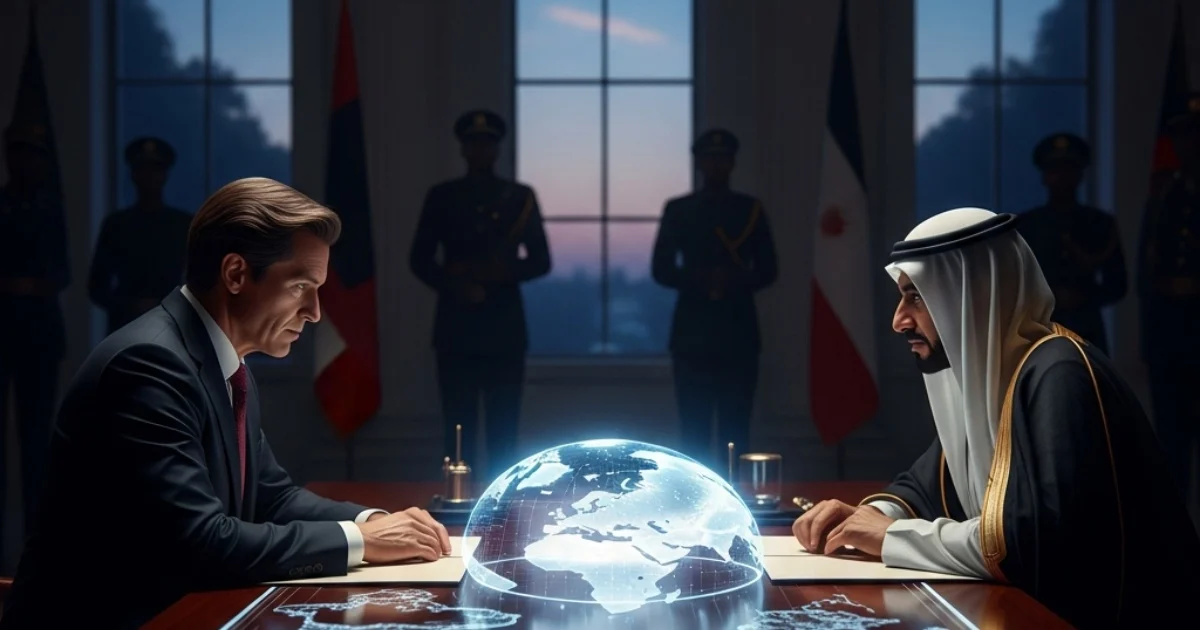
This pivot mirrors broader shifts seen in the West, as the UK’s upcoming summer election signals a geopolitical pivot that could redefine traditional alliances across the globe.
Critics on Capitol Hill, however, warn that the move could be interpreted as a sign of American retreat from its commitments under the Taiwan Relations Act.
Regional Allies Express Concern
In Taipei, the Ministry of Foreign Affairs expressed “deep regret” over the delay, emphasizing that the island’s defense needs are urgent and non-negotiable.
Regional partners, including Japan and Australia, have privately voiced concerns that the suspension could embolden Beijing’s maritime claims in the South China Sea.
The White House has pushed back against these fears, asserting that the United States remains committed to a “free and open Indo-Pacific,” even as it seeks a more cooperative relationship with President Xi Jinping.
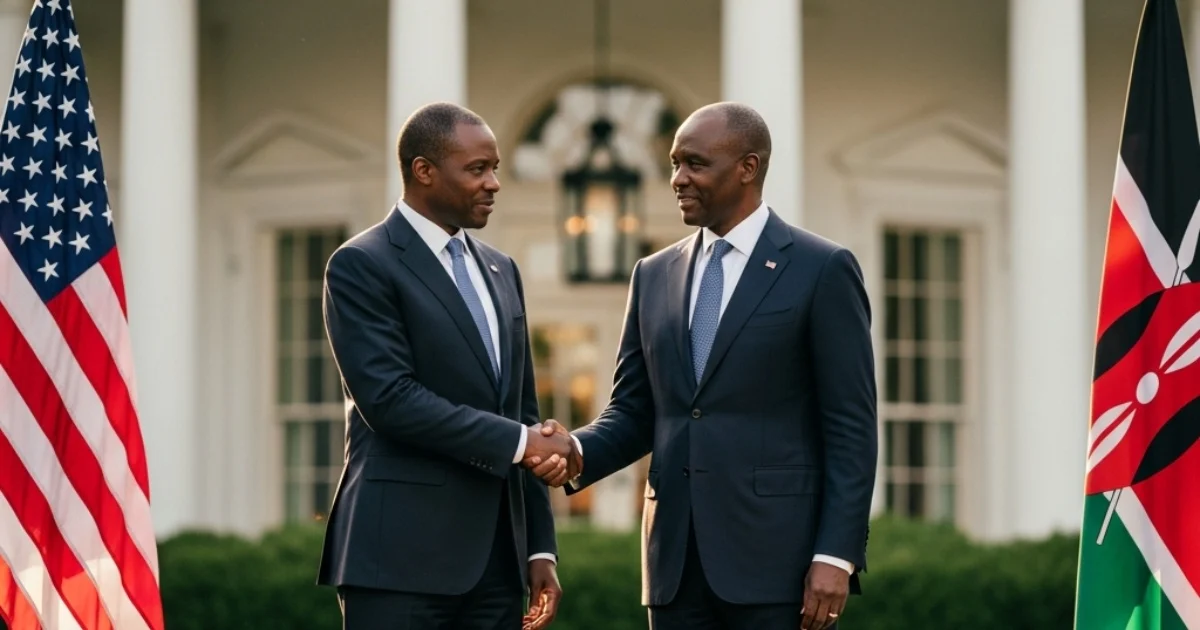
While the administration seeks rapprochement with Beijing, the move stands in stark contrast to recent efforts in strengthening global alliances by designating Kenya as a major non-NATO ally, a move that emphasized security cooperation elsewhere.
Economic Implications and Defense Industry Fallout
The suspension is expected to have an immediate impact on major U.S. defense contractors, including Lockheed Martin and Boeing, who were slated to fulfill the multi-billion dollar orders.
Market analysts suggest that the freeze could lead to a temporary dip in defense stocks as investors recalibrate expectations for international military sales.
President Trump has maintained that a stronger economic partnership with China will ultimately benefit the American worker more than “protracted regional arms races.”
The administration is reportedly looking to trade defense guarantees for a commitment from Beijing to increase purchases of American agricultural and energy products.
As the diplomatic chess match unfolds, the future of the Taiwan Strait remains more uncertain than it has been in decades, with observers watching closely for Beijing’s next move.
Frequently Asked Questions
Why was the Taiwan arms sale halted?
The sale was suspended to facilitate diplomatic and economic reconciliation between the United States and China, as President Trump seeks a new bilateral agreement with Beijing.
What weapons were included in the $14 billion deal?
The package primarily consisted of 66 F-16V fighter jets, Harpoon anti-ship missiles, and advanced M1A2T Abrams tanks intended to modernize Taiwan’s ground and air defenses.
How has Taiwan responded to the delay?
Taiwan’s government expressed “deep regret” and emphasized that the island requires these defense systems to maintain the status quo and deter potential aggression.
Does this signal a permanent shift in U.S. foreign policy?
While the administration calls it a temporary pause for negotiations, regional experts are debating whether this represents a long-term shift toward a “Grand Bargain” with China at the expense of traditional security guarantees.