Washington Escalates ‘Maximum Pressure’ on Maduro Following Landmark Castro Indictment
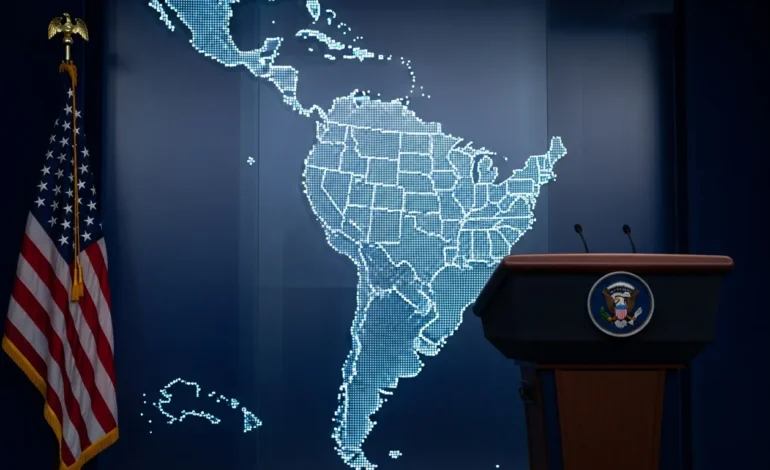
WASHINGTON, D.C. — In a major development that could reshape the geopolitical landscape of the Western Hemisphere, the Trump administration on Wednesday signaled a significant escalation in its ‘maximum pressure’ campaign against Venezuelan President Nicolás Maduro.
The move follows the high-profile indictment of former Cuban leader Raúl Castro, a development that U.S. officials say has cleared the path for a new wave of legal and economic offensives targeting the upper echelons of the Caracas government.
The White House confirmed it is currently drafting a suite of fresh sanctions designed to sever the remaining financial lifelines of the Maduro administration.
A New Phase of Legal Warfare
Senior officials speaking on the condition of anonymity stated that the Justice Department is preparing additional criminal charges against several high-ranking members of the Venezuelan United Socialist Party.
These legal maneuvers are intended to mirror the strategy used against Castro, creating a judicial perimeter that restricts the movement and asset access of Venezuelan leadership across the globe.
As the West navigates a broader geopolitical pivot for Western alliances, the White House is doubling down on its commitment to democratic transitions in Latin America.
The administration’s focus on judicial accountability marks a departure from purely economic deterrents, signaling a long-term commitment to dismantling the regime’s power structure through international law.
Consolidating Regional Support
State Department envoys are reportedly crisscrossing South America this week to shore up a coalition of regional partners for the upcoming diplomatic surge.
The goal is to secure a unified declaration from the Organization of American States (OAS) that formally recognizes the current Venezuelan executive branch as a transnational criminal enterprise.
The timing of these actions coincides with intense legal proceedings surrounding the administration, suggesting a dual-track focus on domestic and international law enforcement.
Regional heavyweights, including Brazil and Colombia, are being pressured to enforce stricter border controls and financial monitoring to prevent the flight of capital from Caracas.
Midterm Stakes and Economic Impact
Political analysts suggest that the renewed focus on Venezuela is inextricably linked to the upcoming fall midterm elections.
By projecting strength against socialist regimes in the Caribbean and South America, the administration aims to solidify its base in key battleground states where foreign policy remains a top-tier issue.
Critics, however, warn that further economic isolation could exacerbate the ongoing humanitarian crisis, potentially triggering a new wave of migration across the continent.
The Treasury Department is expected to announce the specific targets of the new sanctions by Friday, with a focus on state-owned gold and oil subsidiaries that continue to bypass existing trade restrictions.
For now, the message from Washington is clear: the status quo in Caracas is no longer tolerable, and the tools of the U.S. government will be used with increasing frequency to force a change in leadership.
Frequently Asked Questions
What is the ‘maximum pressure’ policy?
The ‘maximum pressure’ policy is a diplomatic and economic strategy used by the U.S. to isolate the Maduro regime through heavy sanctions, legal indictments, and the promotion of political opposition.
How does the indictment of Raúl Castro affect Venezuela?
The indictment removes a key ideological and logistical protector of the Maduro regime, making it easier for the U.S. to argue that the Caracas government is part of a broader criminal network in the region.
Are these actions related to the 2026 midterms?
Yes, many experts believe the administration is ramping up its foreign policy rhetoric to appeal to voters who favor a hardline stance against authoritarian regimes in Latin America.
Will there be more sanctions on Venezuelan oil?
The administration has indicated that any entity—foreign or domestic—found to be facilitating the sale of Venezuelan oil will face immediate and severe secondary sanctions.