WHO Issues Urgent Ceasefire Demand in Congo as Ebola Crosses International Borders
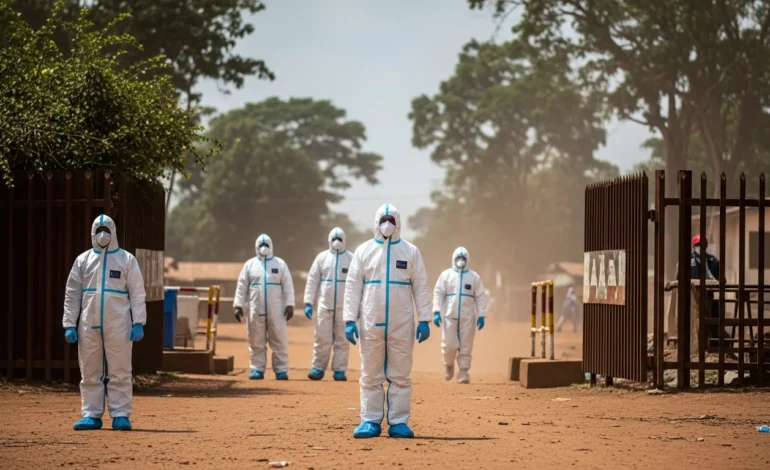
GENEVA — In a desperate bid to prevent a continental health catastrophe, the World Health Organization issued an urgent plea Tuesday for an immediate cessation of hostilities in the Democratic Republic of the Congo.
The call comes as a highly virulent strain of the Ebola virus has officially crossed the border into Uganda, signaling a dangerous escalation of the crisis that health officials say could spiral out of global control.
WHO Director-General Tedros Adhanom Ghebreyesus warned that the ongoing conflict between government forces and regional rebel groups is creating a “blind spot” where the virus can mutate and migrate unchecked.
A Regional Health Crisis Looms
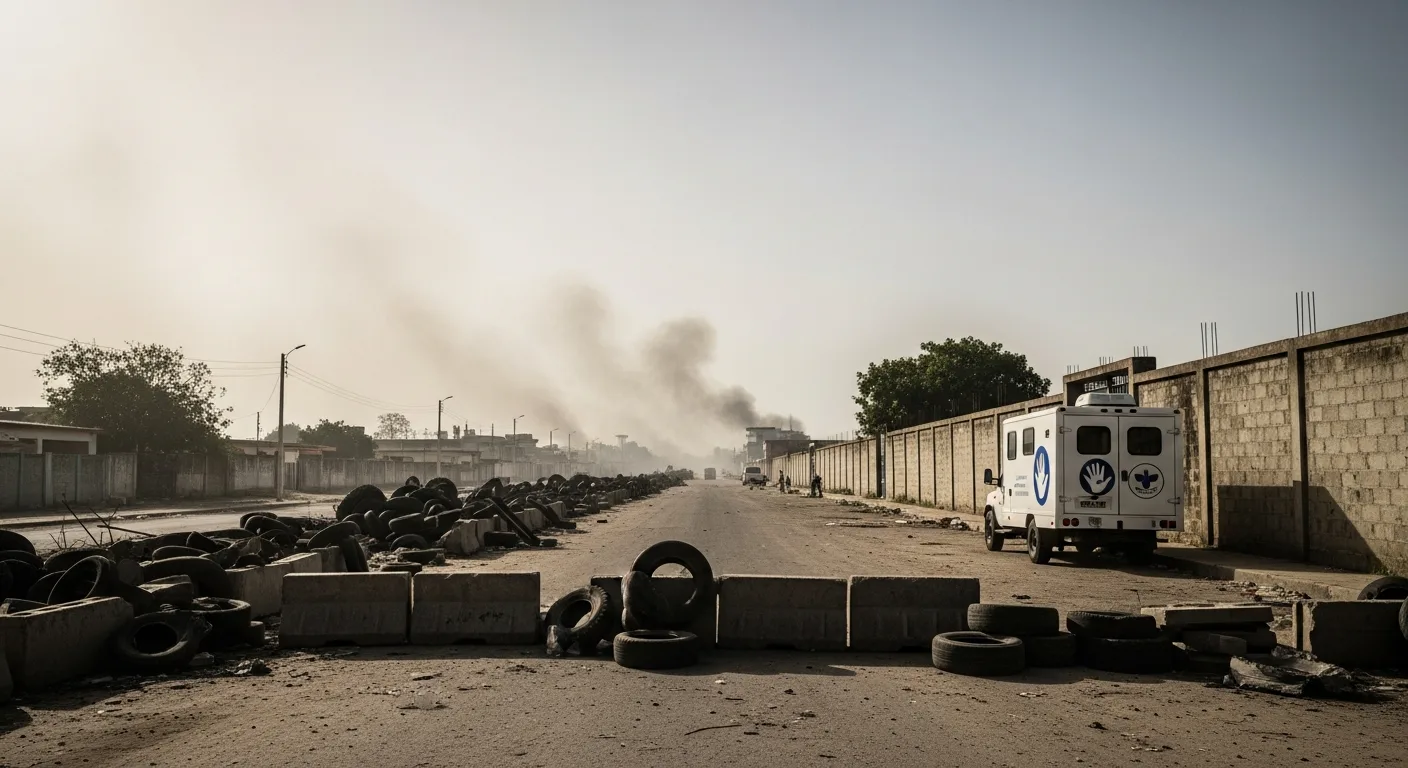
Health workers on the ground report that the volatility in the eastern DRC has rendered entire villages inaccessible to vaccination teams. The movement of displaced populations fleeing the violence is believed to be the primary driver of the virus’s jump into Uganda.
International observers note that the timing of this outbreak is particularly perilous given the fragile state of regional security. The recent diplomatic shifts, including Kenya’s new status as a major non-NATO ally, have yet to translate into the boots-on-the-ground stability required to secure medical corridors.
The WHO has designated the situation a Grade 3 Emergency, the highest level of institutional concern. Without a ceasefire, the organization warns that contact tracing—the backbone of Ebola containment—is virtually impossible.
The Security-Health Nexus
The intersection of viral contagion and armed conflict is a nightmare scenario for epidemiologists. In the DRC, medical facilities have become targets, and health professionals are often forced to flee alongside the civilians they are meant to treat.
This pattern of violence hindering humanitarian aid is becoming a grim global trend, mirroring the escalating humanitarian security crises seen in other volatile regions where aid workers face lethal ambushes.
The United Nations Security Council is expected to convene an emergency session later this week to discuss a potential peacekeeping mandate specifically designed to protect “health zones” within the conflict areas.
International Response and Border Controls
Uganda has already begun implementing stringent screening measures at all points of entry. However, the porous nature of the border makes total containment a logistical Herculean task.
Neighboring Rwanda and South Sudan have also been placed on high alert. The WHO is currently coordinating with regional governments to deploy rapid response teams, but they remain stationed in safer urban centers, unable to reach the rural epicenters of the infection.
“We are not just fighting a virus; we are fighting the conditions that allow it to thrive,” stated a senior WHO field coordinator. “Bullets are just as much a public health threat as Ebola is right now.”
Frequently Asked Questions
Why is a ceasefire necessary for Ebola containment?
A ceasefire allows health workers to safely enter conflict zones to perform contact tracing, administer vaccines, and provide secure burials, all of which are essential to stopping the chain of transmission.
How did the virus spread to Uganda?
Preliminary reports suggest the virus crossed the border through the movement of people fleeing armed clashes in the eastern Democratic Republic of the Congo, highlighting the link between regional instability and health risks.
What is the current death rate of this Ebola strain?
While specific data for this 2026 strain is still being compiled, historical Ebola outbreaks have seen case fatality rates ranging from 25% to 90%, making immediate intervention a global priority.
Is there a vaccine available for this outbreak?
Yes, the Ervebo vaccine is effective against the Zaire ebolavirus strain; however, the primary challenge remains the safe delivery and storage of the vaccine in active war zones.