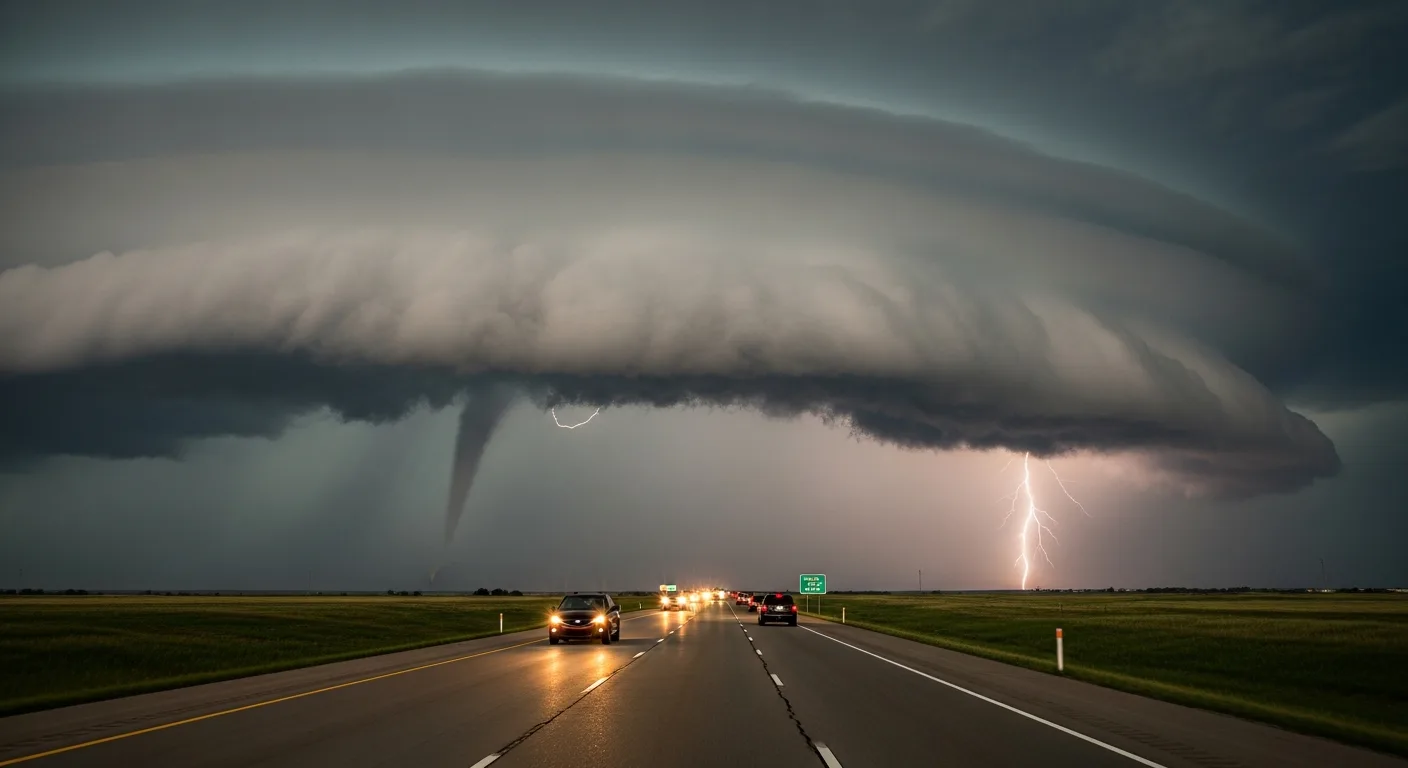
Celestial Shockwave: Massive Bolide Explosion Equivalent to 300 Tonnes of TNT Rocks U.S. Skies
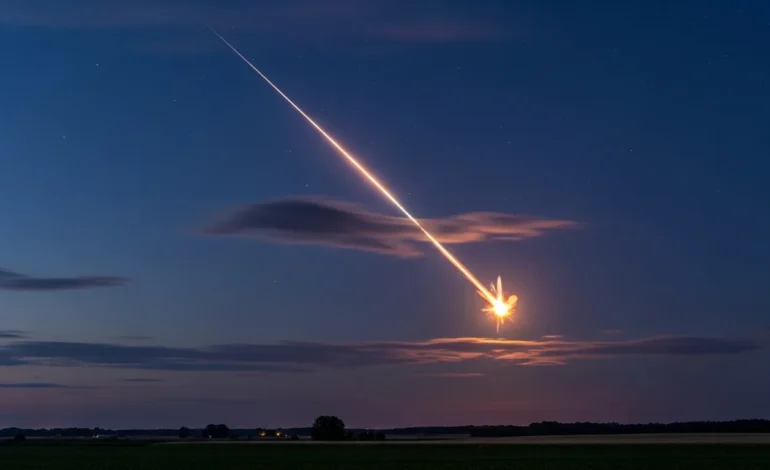
WASHINGTON, D.C. — In a major development that could reshape the American landscape of planetary defense, a massive meteor explosion equivalent to 300 tonnes of TNT detonated over the United States late last night, triggering a nationwide scientific mobilization to locate extraterrestrial debris.
The event, classified by astronomers as a high-magnitude bolide, illuminated the sky for hundreds of miles, creating a sonic boom that rattled windows and registered on seismic sensors across several states.
Researchers from NASA and the American Meteor Society confirmed the energy release was roughly 20 times more powerful than a typical large fireball, marking it as one of the most significant atmospheric impacts in recent North American history.
Atmospheric Detonation and Energy Release
The meteor entered the atmosphere at an estimated speed of 45,000 miles per hour, compressing the air in front of it until the resulting heat and pressure caused a catastrophic structural failure of the space rock.
The sheer magnitude of the energy release has drawn comparisons to terrestrial military assets, occurring at a time when a new defense report warns U.S. weapons stockpiles are facing unprecedented scrutiny regarding long-term readiness.
Preliminary data from infrasound sensors indicates the explosion occurred at an altitude of approximately 24 miles, which prevented significant structural damage on the ground while maximizing the visual and auditory impact.
- Energy Yield: 300 Tonnes of TNT equivalent.
- Event Time: Approximately 11:42 PM local time.
- Detection: Verified by satellite and ground-based seismic arrays.
- Status: Trajectory analysis currently underway.
The Hunt for Meteorite Fragments
Scientists are currently utilizing Doppler weather radar and satellite imagery to triangulate the exact “strewn field” where fragments may have fallen.
Locating these meteorites is a high priority for the scientific community, as they provide a pristine look into the early solar system without the contamination of long-term exposure to Earth’s environment.
This event provides a rare opportunity for researchers to refine our understanding of planetary science and the ongoing 2026 scientific debate regarding the composition of volatile objects in our cosmic neighborhood.
Recovery teams are being deployed to the projected impact zone, though officials have cautioned the public against trespassing on private property or handling suspicious objects without proper guidance.
National Security and Public Safety
While the event was purely natural, the suddenness of the flash and the intensity of the boom initially caused localized panic in several metropolitan areas.
Local law enforcement agencies reported a surge in emergency calls from residents fearing a terrestrial explosion or a military aviation accident.
The North American Aerospace Defense Command (NORAD) confirmed shortly after the flash that the object was non-man-made and did not represent a hostile action or a threat to national security.
Astronomers warn that while this event was spectacular, it serves as a reminder of the thousands of near-Earth objects that remain undetected by current surveillance systems.
Frequently Asked Questions
What is a bolide?
A bolide is an exceptionally bright meteor that explodes in the atmosphere. It is often accompanied by a sonic boom and can be seen over a very wide geographic area due to its intense luminosity.
Was anyone injured in the U.S. meteor explosion?
There have been no reported injuries or significant property damage. Because the explosion occurred high in the stratosphere, the energy was dissipated before reaching the surface.
How rare is a 300-tonne TNT meteor explosion?
Events of this magnitude occur globally a few times per year, but they often happen over uninhabited oceans. An explosion of this size over a populated landmass like the United States is considered a once-in-a-decade event.
What should I do if I find a suspected meteorite?
Do not touch the object with bare hands, as oils from human skin can contaminate the specimen. Use aluminum foil to collect it and contact a local university or the American Meteor Society for verification.