Polar Cruise Becomes Site of Deadly Hantavirus Outbreak with 23% Fatality Rate
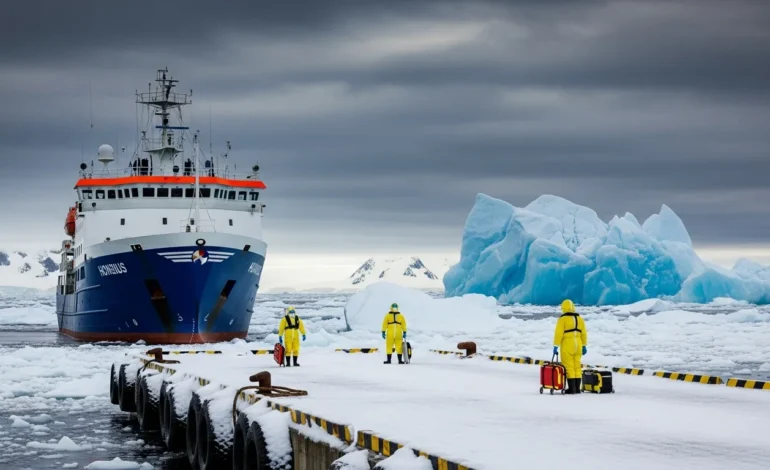
For the families of the three passengers who did not return from their polar expedition this spring, the M/V Hondius is no longer a symbol of frontier exploration but a site of profound tragedy. The World Health Organization confirmed Tuesday that 13 cases of Andes hantavirus are now linked to the Netherlands-flagged vessel, marking a rare and lethal intrusion of the pathogen into the commercial cruise industry.
Three deaths have been recorded among the confirmed and probable cases, resulting in a staggering 23% case fatality ratio. Health officials in the United Kingdom, Canada, the Netherlands, and Spain continue to monitor travelers who may have been exposed during the ship’s recent operations in the South Atlantic and Antarctica.
A Pathogen That Defies Viral Norms
The Andes virus (ANDV) is particularly concerning to epidemiologists because of its unique ability to spread through person-to-person transmission. While most hantaviruses require direct contact with rodent droppings, ANDV can trigger severe respiratory illness that moves between individuals in close, sustained contact.
The M/V Hondius was navigating ecologically diverse polar regions when the cluster was first identified on May 2, 2026. This represents the first major hantavirus outbreak on a commercial cruise ship in recent history, prompting a massive international contact-tracing effort supported by National IHR Focal Points.
Global Surveillance and the American Repatriation
Because the incubation period for Andes hantavirus can last up to 42 days, dozens of passengers remained under active surveillance for weeks after returning home. A suspected case in the United States was officially ruled negative following laboratory testing in June, providing a brief moment of relief for domestic health agencies.
The U.S. Centers for Disease Control and Prevention (CDC) successfully managed the repatriation of 18 American passengers, who completed their monitoring at a specialized biocontainment unit in Nebraska. Although the WHO has assessed the current global risk as “low,” the incident has forced a re-evaluation of health screening protocols for luxury expedition tourism in remote environments.
Return to Service Amid Arctic Summer
In a move that has drawn scrutiny from health advocates, the M/V Hondius resumed commercial operations this past weekend, departing from Norway for a seven-day expedition around the Svalbard archipelago. The vessel underwent three weeks of intensive chemical disinfection in Rotterdam before being certified for service by Dutch health authorities.
To mitigate future risks, the ship’s operator has stationed a permanent medical doctor on board to monitor for early symptoms among the 137 new passengers. This return to the sea occurs just as the final group of passengers from the original outbreak reached the end of their mandatory six-week quarantine window.
Frequently Asked Questions
Is there a specific vaccine for the Andes hantavirus?
No, there is currently no approved vaccine for the Andes virus. Treatment is primarily supportive, focusing on managing respiratory distress and maintaining fluid balance in intensive care settings.
How does this virus typically enter a human host?
While this outbreak involved human-to-human spread, the virus is traditionally acquired by inhaling aerosolized particles from the urine, feces, or saliva of infected rodents found in South American wilderness areas.
What should recent cruise travelers do if they develop a fever?
Any individual who has traveled on an expedition vessel in the last six weeks and develops a sudden fever, muscle aches, or shortness of breath should seek immediate medical attention and disclose their full travel history to providers.