Sovereign Branding Shift: Trump Unveils Image-Centric U.S. Passport Design
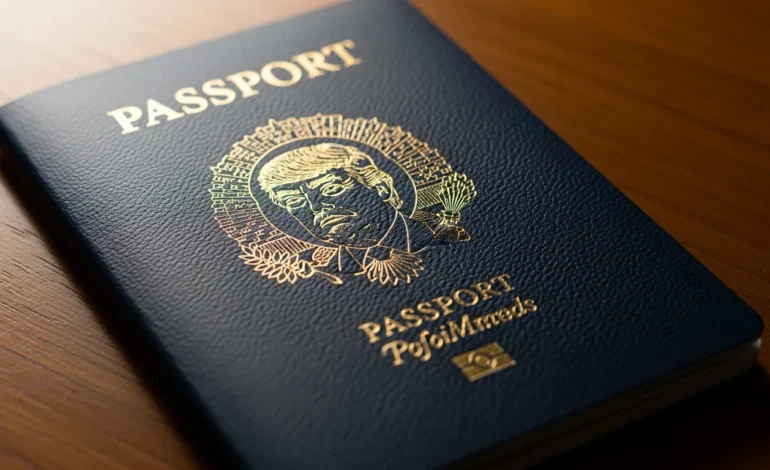
The administrative cost of a total federal iconography overhaul could exceed $1.2 billion—and the U.S. passport is the latest asset to undergo a corporate-style rebranding. President Donald Trump officially unveiled the new design on Sunday, June 28, 2026, during a high-profile weekend in Washington D.C.
The updated document prominently features an image of Trump, departing from the blue-covered aesthetic that has remained largely static for decades. Critics and political opponents have immediately labeled the project an example of “brazen corruption” and personal branding at taxpayer expense.
Regulatory Hurdles and the Neutral Branding Mandate
Legal experts are scrutinizing the redesign for potential violations of federal regulations regarding neutral government branding. Existing statutes generally discourage the use of a sitting president’s likeness on official security documents to prevent the personalization of sovereign assets.
The State Department has yet to confirm a specific timeline for the widespread issuance of the new booklets. This lack of clarity has left government contractors and travel industry analysts questioning the logistics of a mass-production shift.
America First Ideology and Infrastructure Makeovers
Supporters argue the move reinforces the “America First” ideology and solidifies the 47th president’s legacy. The redesign is part of a broader effort to “makeover” federal symbols and national infrastructure under the current administration.
- The design was initially teased via social media posts before the Sunday morning reveal.
- The project is categorized by the administration as a modernization of federal security features.
- Opponents describe the move as a “vanity project” that prioritizes personal optics over institutional stability.
The Economic Risk of Non-Neutral Credentials
From a business perspective, the shift introduces a unique risk regarding international travel reciprocity. If foreign customs agencies perceive the passport as a political tool rather than a neutral sovereign credential, it could lead to increased scrutiny for American business travelers.
The fiscal impact of replacing approximately 160 million active passports remains unquantified. A phased rollout is expected, though the administration has not ruled out an expedited replacement program for federal employees.
Related Coverage
- Legal challenges mount against federal funding allocated for administrative allies
- Economic backlash follows recent administrative comments on middle-class consumer costs
Frequently Asked Questions
Will my current blue U.S. passport still be valid for travel?
Yes, all current U.S. passports remain valid until their printed expiration date. The State Department has not issued a recall for existing documents.
Is it legal to put a living president’s face on a passport?
While the U.S. Mint has restrictions on living presidents on currency, passport design falls under State Department jurisdiction. Legal challenges are expected to focus on executive branch “neutral branding” requirements.
What is the estimated cost to taxpayers for this redesign?
Official figures have not been released, but similar federal rebranding efforts typically cost tens of millions in design and security testing. A full replacement of the national stock would cost billions.