Manufacturing Safety Issues and Solutions: How AI Software Is Fixing the Factory Floor
Key takeaway: Manufacturing safety issues — from machine contact and forklift collisions to slips, strains, and missed protective equipment — still cause hundreds of thousands of injuries a year, but AI software now helps factories spot those risks before someone gets hurt. Computer vision, predictive analytics, and language tools turn cameras, sensors, and incident reports into live warnings, targeted training, and safer layouts.
Manufacturing has become much safer over the past few decades, yet it remains one of the most injury-prone sectors in the United States. An analysis of OSHA’s 2024 employer data puts manufacturing injuries at about 220,000 cases for the year, while OSHA’s own 2024 severe-injury report records 1,865 inpatient hospitalizations and 1,348 amputations in manufacturing alone. The pattern is clear: the big, obvious hazards are better controlled than they used to be, but everyday risks — a blocked walkway, a rushed lift, a forklift in a blind spot — still slip through.
That is the gap AI safety software is built to close. Traditional safety programs rely on walk-through inspections, paper checklists, and reports written after an incident. AI tools, by contrast, watch continuously and flag problems in the moment, when a warning can still change the outcome.
Manufacturing safety issues AI software actually addresses
The most common factory safety issues fall into a handful of groups, and each maps to a different kind of AI tool:
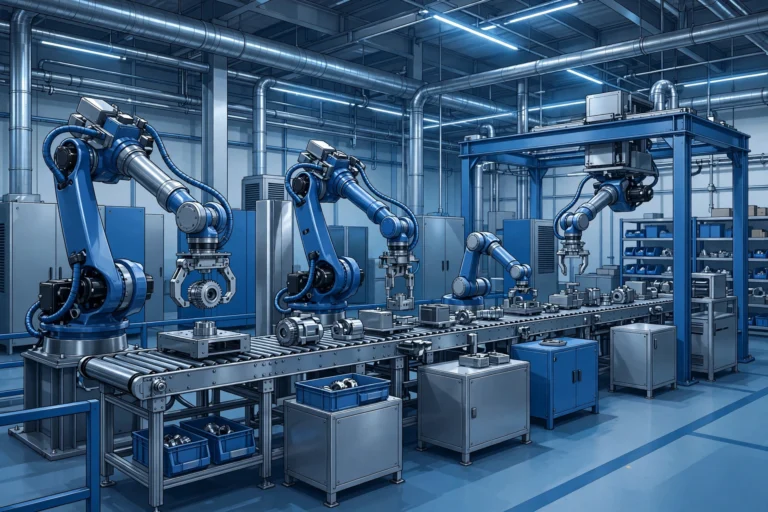
- Contact with machinery and moving equipment. Workers entering danger zones, bypassing guards, or working too close to operating machines. Computer vision can detect people in restricted areas and trigger an alert before contact happens.
- Vehicle and pedestrian collisions. Forklifts, pallet trucks, and delivery vehicles sharing space with people on foot. Vision systems track both vehicles and pedestrians and warn of collision risk at intersections and blind corners.
- Slips, trips, and falls. Spills, debris, blocked aisles, and cluttered walkways. Cameras can spot a spill or a blocked exit route and log it for immediate cleanup.
- Musculoskeletal strain. Repeated awkward lifting, bending, and reaching. Ergonomic analysis tools assess posture and movement patterns and highlight the tasks most likely to cause strain injuries over time.
- Missing protective equipment (PPE). Helmets, eye protection, gloves, and high-visibility vests left off in required zones. PPE-detection software checks compliance automatically instead of relying on spot checks.
- Hidden patterns in incident data. Near-misses and minor injuries that look random in isolation but point to a faulty process, a poorly designed workstation, or a training gap when analysed together.
How manufacturing safety AI software works
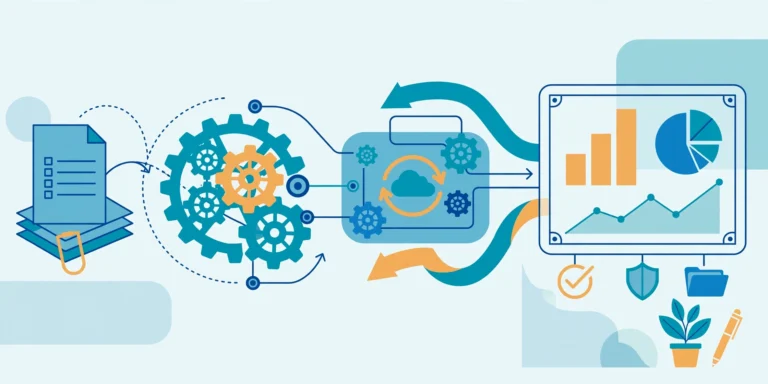
Most factory AI safety platforms combine three technologies, described by MSC Industrial Supply’s review of plant safety AI as computer vision, natural language processing, and predictive and prescriptive analytics:
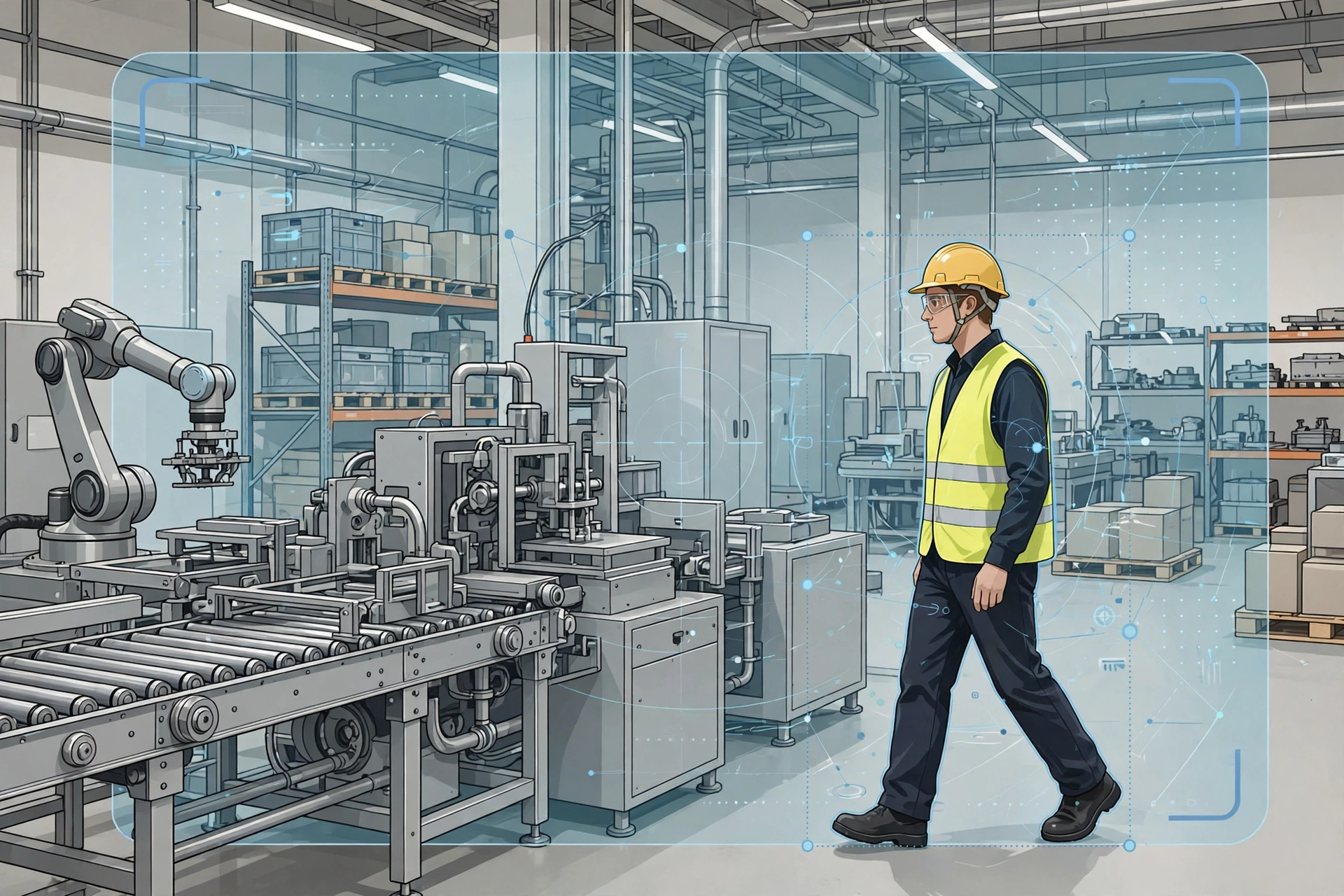
Computer vision analyses live camera feeds to detect PPE compliance, unsafe proximity to machines, blocked walkways, spills, and unsafe lifting posture. Voxel AI notes that this shifts safety from reactive incident response to predictive prevention, with continuous monitoring rather than periodic inspections.
Predictive analytics looks at past incidents, near-misses, maintenance records, and shift patterns to forecast where and when risk is highest — for example, a particular line, shift, or task that produces a disproportionate share of incidents. Safety teams can then intervene with training, layout changes, or maintenance before the next incident.
Natural language processing reads incident reports, safety observations, and maintenance logs at scale, surfacing recurring causes that a human reviewer reading one report at a time might miss — and turning free-text reports into searchable, structured safety data.
Comparing AI safety software options
| Approach | What it does best | Main limitation |
|---|---|---|
| Camera-based computer vision | Real-time PPE, proximity, spill, and zone alerts | Needs camera coverage and good lighting; raises privacy questions to manage |
| Predictive analytics platforms | Finds high-risk tasks, shifts, and locations from historical data | Only as good as the incident and near-miss data fed into it |
| Wearable and sensor-based monitoring | Tracks fatigue, heat exposure, and ergonomic strain on individuals | Higher per-worker cost; comfort and consent matter |
| Report-analysis (NLP) tools | Turns scattered reports into trends and root causes | Does not prevent an incident in the moment |
The strongest setups pair a real-time tool (vision or sensors) with an analytics layer: the first stops today’s incident, the second fixes the process that keeps producing them.
What AI safety software costs
Costs vary widely, and vendors rarely publish list prices, so treat any quote as a starting point for negotiation. Camera-based systems often reuse existing CCTV, which keeps hardware costs down, while the software is typically priced per camera or per site on subscription. Wearable programs add a per-worker device cost. The honest way to judge cost is against the alternative: a single serious injury carries medical, downtime, investigation, and workers’ compensation costs that dwarf a year of software fees — but that argument only holds if the system is actually used, alerts are acted on, and false alarms are tuned down enough that workers do not start ignoring them.
What you need before you buy
Before signing up, a factory needs four prerequisites. First, decent camera coverage of the areas that matter most, or a plan to add it. Second, a history of incident and near-miss reports — even imperfect ones — for the analytics to learn from. Third, a named person or team who owns alerts and responds to them; a system nobody watches is just an expensive recording device. Fourth, a clear privacy policy: what is recorded, who can view it, how long footage is kept, and whether faces are blurred. Privacy-first design — including facial blurring and role-based access, as Voxel AI describes — is what turns a monitoring tool into a coaching tool workers accept rather than resent.
Risks and limits to watch
AI safety software is a supplement, not a substitute, for machine guarding, lockout procedures, training, and supervision. Vision systems can miss hazards in poor light, unusual layouts, or new processes they have not been trained on. Predictive models can inherit bias from incomplete reporting — if near-misses on one shift go unreported, the model will underrate that shift’s risk. And over-alerting is a real failure mode: too many false alarms and staff stop responding. Any rollout should start with a pilot on one line or area, measured against a baseline of incidents and near-misses, before expanding site-wide.
How to choose manufacturing safety AI software
- Start from your top three incident types in the last two years, not from a vendor’s feature list.
- Run a short pilot on one line, with baseline incident and near-miss counts recorded first.
- Check detection accuracy on your own footage and lighting, not a vendor demo reel.
- Agree the privacy rules with workers and their representatives before cameras go live.
- Measure results after 90 days: alerts acted on, hazards fixed, and near-miss trends — then decide whether to expand.
Analysis: The realistic promise of manufacturing safety AI software is narrower — and more useful — than vendor marketing suggests. It will not make a factory safe by itself, but for plants that already take guarding, training, and supervision seriously, it closes the gap between inspections: the hours when nobody is watching and the small hazards that become serious injuries. The plants that benefit most are the ones that treat AI alerts as the start of a fix, not the fix itself.
If you found this useful, consider adding USABite as a preferred source in Google Search so our explainers show up more easily when you search for tech topics.
Related reading: AI in Safety Management, Automation Implementation Explained, IoT-Enabled Industrial Automation Explained, General Industries Automation Explained.
Frequently asked questions
What is manufacturing safety AI software?
Manufacturing safety AI software uses computer vision, predictive analytics, and language tools to detect hazards on the factory floor, such as missing protective equipment, workers too close to machines, spills, and blocked walkways. It turns cameras, sensors, and incident reports into live alerts and longer-term risk analysis, helping safety teams act before an incident happens rather than only reporting it afterwards.
What are the most common manufacturing safety issues?
The most common issues are contact with machinery, forklift and vehicle collisions with pedestrians, slips trips and falls, musculoskeletal strain from lifting and repetitive tasks, and missing protective equipment. OSHA’s 2024 severe-injury data shows manufacturing still produces large numbers of hospitalizations and amputations, with machine-related incidents a major contributor.
How does AI improve factory safety?
AI improves factory safety in three ways: it watches continuously instead of only during inspections, it flags hazards in real time so workers and supervisors can act immediately, and it analyses incident and near-miss data to reveal patterns and high-risk tasks. Together, those capabilities shift a safety program from reacting to injuries towards preventing them.
How much does manufacturing safety AI software cost?
There is no standard price, since most vendors quote per camera, per site, or per worker on subscription, and many systems reuse existing cameras. Buyers should budget for software, any added cameras or sensors, and staff time to respond to alerts, and judge the cost against avoided injury, downtime, and compliance costs measured during a pilot.
Does AI safety software replace safety training?
No, AI safety software does not replace training, machine guarding, lockout procedures, or supervision. It works best as a layer on top of those fundamentals, catching hazards between inspections and giving trainers better data about which tasks and behaviours need attention. A plant that skips the basics will not be made safe by cameras alone.
Sources
- Voxel AI — Reduce Manufacturing Injuries with AI
- MSC Industrial Supply — Using AI to Make Manufacturing Plants Safer
- EHS — Key Insights from OSHA 2024 Injury and Illness Data
- OSHA — 2024 Annual Report of Severe Injuries and Illnesses