Trust Layer for AI Explained: How It Keeps Enterprise AI Safe, Private, and Auditable
A trust layer for AI sits between your data and the model, masking sensitive data, grounding answers, and logging every interaction. Here is how it works.
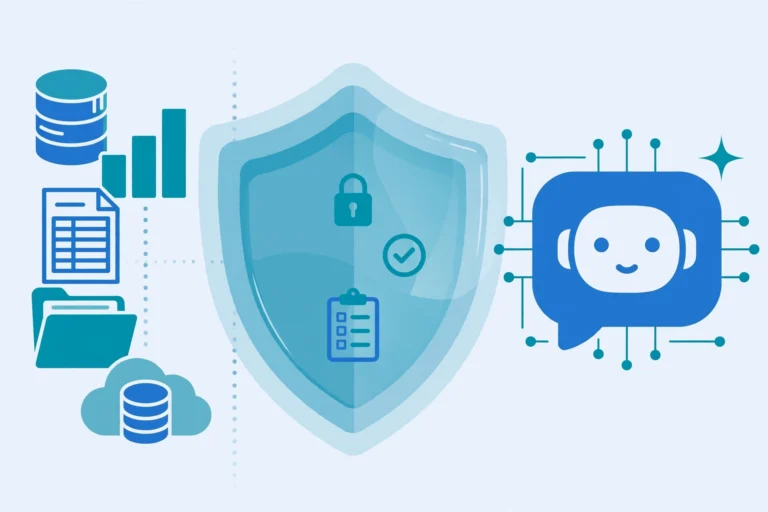
A trust layer for AI sits between your data and the model, masking sensitive data, grounding answers, and logging every interaction. Here is how it works.

Emerging technologies in media — from generative AI video to immersive AR/VR — are reshaping how stories are made, found, and watched. Here’s what matters.
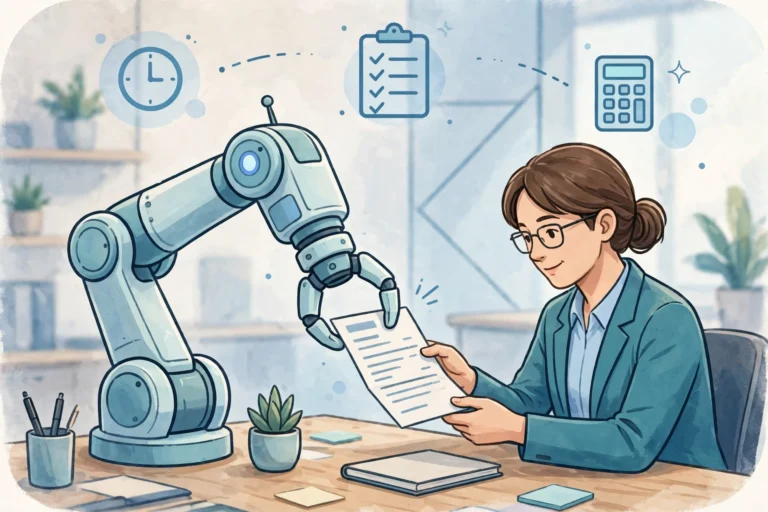
Robotic process automation for HR and payroll explained: which payroll tasks bots handle best, what it costs, what you need first, and the risks to watch.

Business process automation can solve slow approvals, manual errors, lost paperwork and scaling pain. Here is what it fixes — and what to check first.

Manufacturing safety issues still cause hundreds of thousands of injuries a year. Here’s how AI software — computer vision, predictive analytics, and report analysis — spots factory hazards before they hurt someone.

Emerging trends in information technology explained: agentic AI, physical AI, and the infrastructure shift — what they mean and how to prepare.
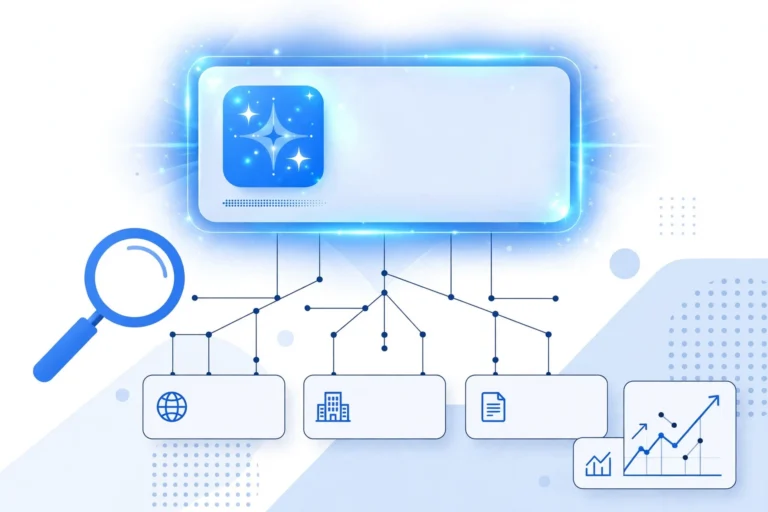
Google AI Mode and SEO strategy explained: how query fan-out picks sources, what Google actually requires, and how to get your pages cited in 2026.

Medical writing AI software explained: what it drafts, how it works, what it costs, and how to choose a tool that keeps review and compliance intact today.

Utility company automation explained: how SCADA, smart meters and self-healing grids cut outages, spot leaks and lower costs for power, water and gas utilities.

IoT-enabled industrial automation connects sensors, PLCs and analytics so factories see problems early. Learn how it works, what it costs, and where to start.