Technology in Animals Explained: How Tech Is Changing Animal Care, Conservation, and Farming
Technology in animals covers GPS collars, AI camera traps, drones, and smart pet wearables. Here’s how it works, where it helps, and where it falls short.
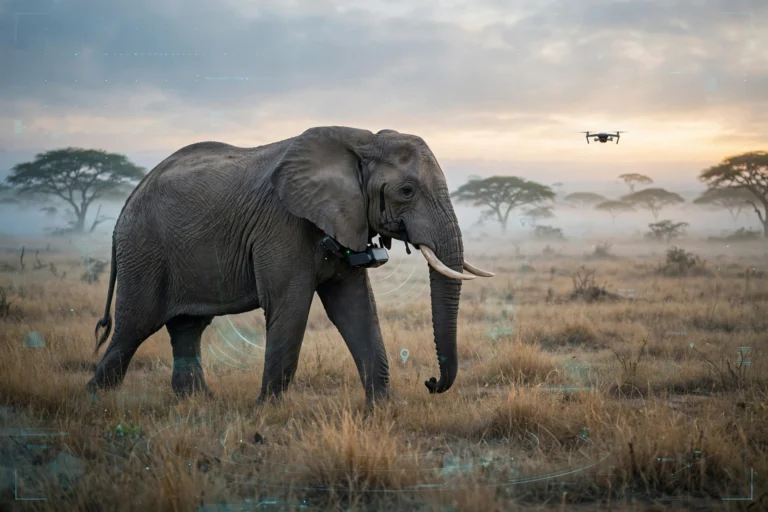
Technology in animals covers GPS collars, AI camera traps, drones, and smart pet wearables. Here’s how it works, where it helps, and where it falls short.

Robotic process automation architecture explained: how the design studio, software robots, and orchestrator work together to run attended and unattended bots.
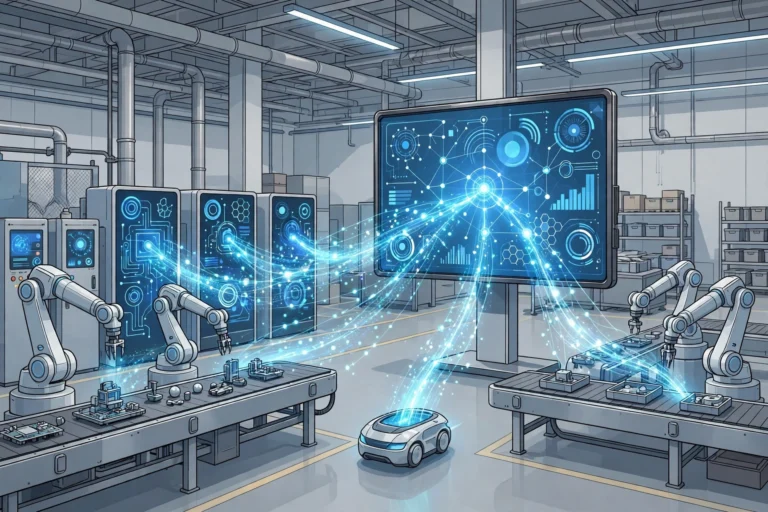
Manufacturing automation integration links ERP, MES, and shop-floor machines into one system. Learn how it works, its benefits, and where to start.

IT support vs IT automation explained: how people-led help desks and automated IT workflows differ, when each wins, and how smart teams combine both.

Custom automation for life sciences tailors robots, liquid handlers, and software to lab workflows — what it covers, where it fits, and how to scope it.

The Disruptive Technology Strike Force polices AI, chip and quantum exports. Learn what it does, who runs it, and what it means for tech companies.

A smart curriculum adapts lessons to each student using AI and learning data. Here is what it means, how it works, and why schools are adopting it in 2026.

Advance technologies are moving off screens into energy, medicine and infrastructure in 2026. Here are the WEF and Gartner top-10 lists and why they matter.

Disruptive technologies are reshaping business in 2026. Learn what they are, which ones matter most, and how companies actually use them to compete and grow.

What is future innovation technology? From Samsung’s FIT platform to the WEF’s top 10 emerging tech of 2025 — a clear, no-hype guide to what’s actually next.