Custom Factory Automation Explained: What It Is, How It Works, and When It Pays Off
Custom factory automation explained: what it is, the main system types, costs, benefits and risks — and how to tell if your plant is ready for it.
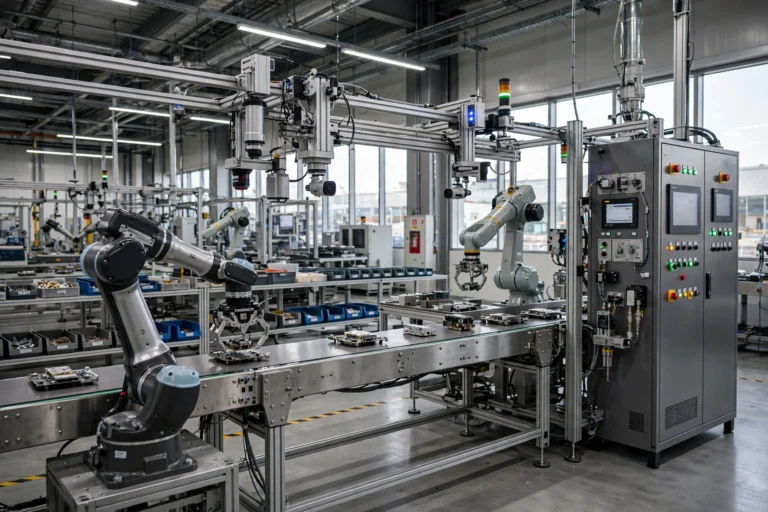
Custom factory automation explained: what it is, the main system types, costs, benefits and risks — and how to tell if your plant is ready for it.
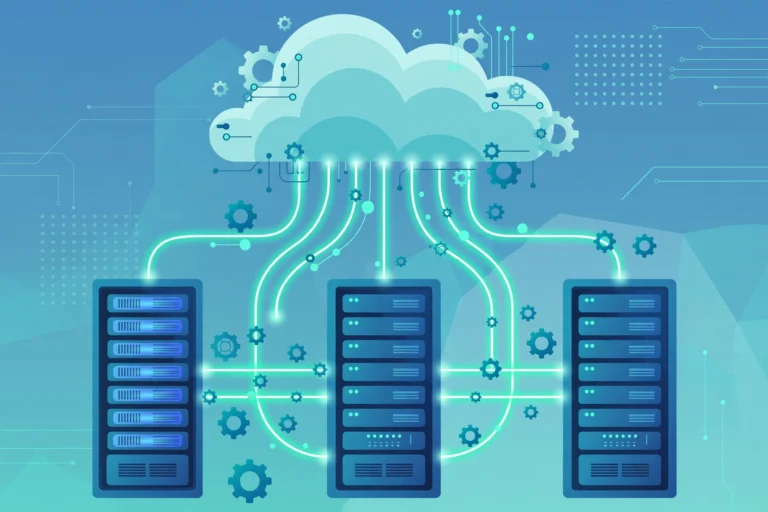
Infrastructure automation services use code to provision, configure, and manage IT infrastructure — cutting provisioning time and errors. Here’s how they work, what they cost, and when to use them.
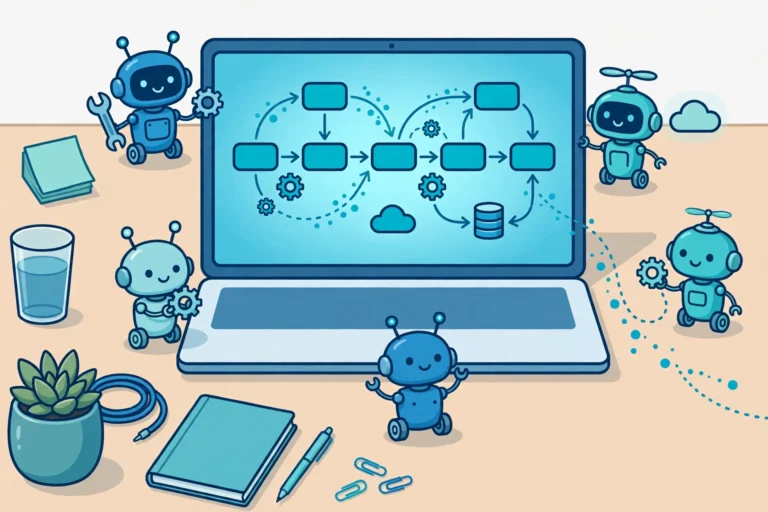
Automation bots are software programs that handle repetitive digital tasks. Learn how they work, the types of bots, their costs, and where they make sense.

AI governance business documents explained: the policies, registers, model cards and audit records companies need to prove their AI is safe and compliant.
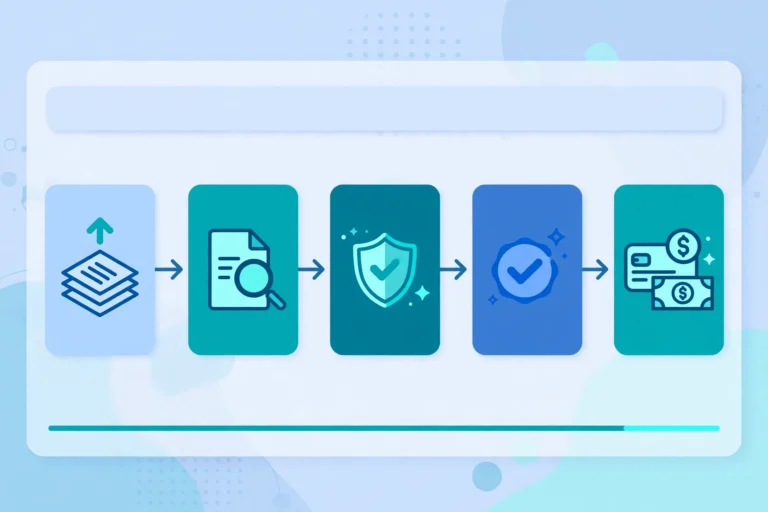
Claims workflow automation explained: how insurers automate filing, triage, fraud checks and payment — plus costs, risks and who it suits best.

Technologically fluent means more than knowing how to use tools — it means choosing the right tool, adapting fast, and using technology ethically. Here’s what it takes.
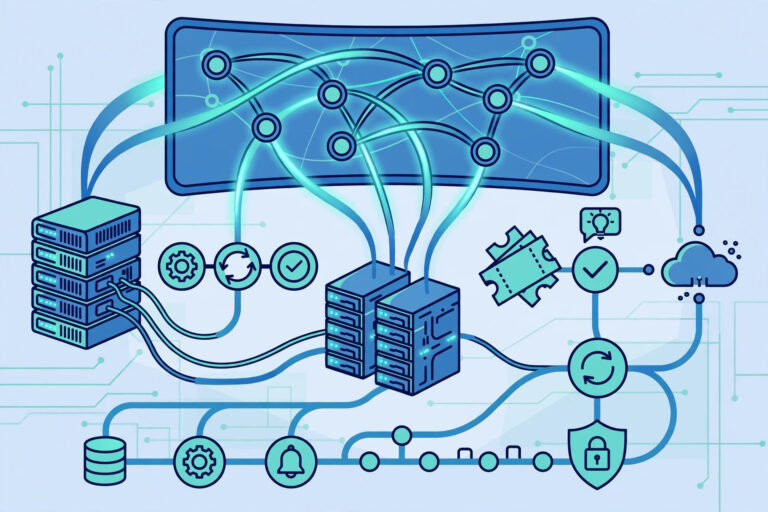
IT process automation (ITPA) tools automate routine IT work like patching and provisioning. Learn how they work, how they differ from RPA, and how to choose one.
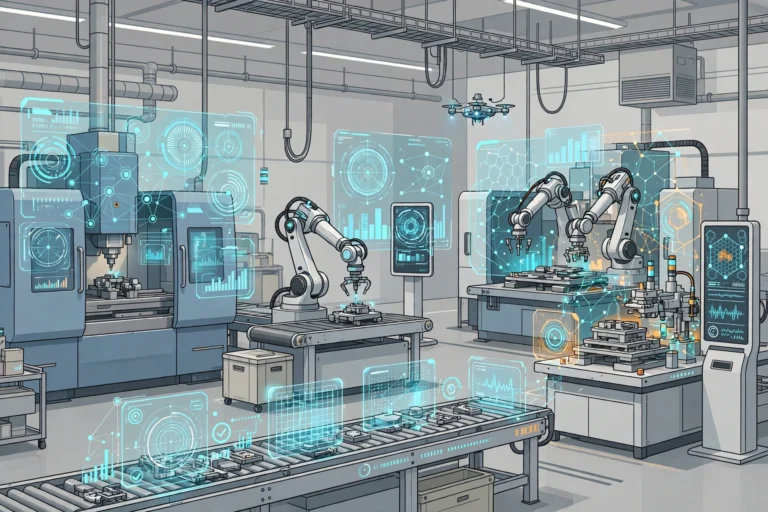
Industrial automation in IoT explained: how connected sensors, PLCs and edge analytics cut downtime, and what it costs to get started.
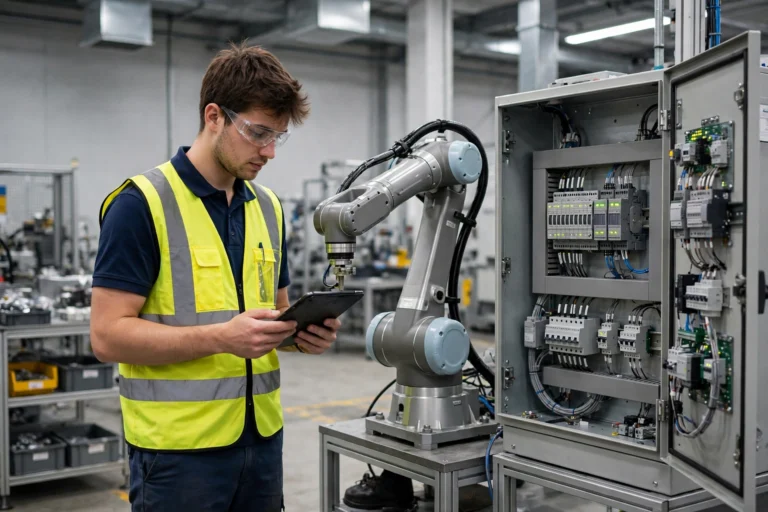
Learn how to become an automation engineer: the degree, PLC and programming skills, certifications, salary, and step-by-step career path into industrial automation.

How automation improves HR compliance workflows: fewer errors, audit-ready records and faster reporting — plus costs, prerequisites and risks to watch.