Manual Process Automation Explained: What It Is, How It Works, and When to Use It
Manual process automation turns repetitive, rule-based work into software-run workflows. Learn what it is, how it works, and when to automate.
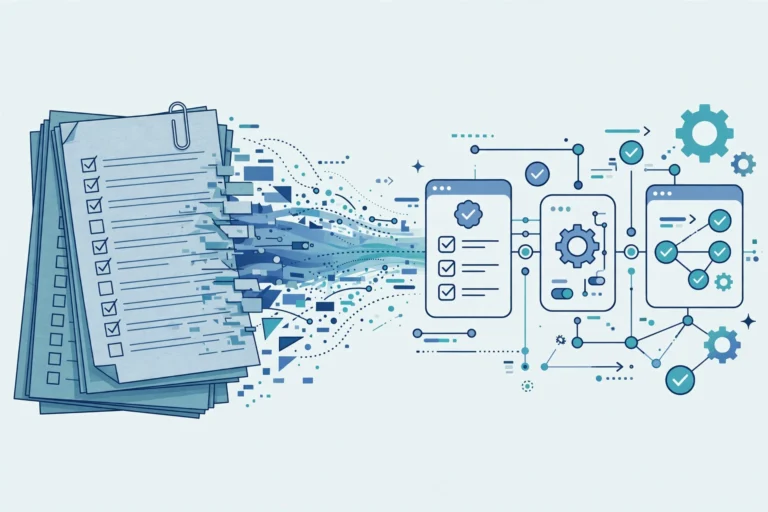
Manual process automation turns repetitive, rule-based work into software-run workflows. Learn what it is, how it works, and when to automate.
Hyperautomation companies explained: who leads (UiPath, Microsoft, Appian), what their platforms offer, what they cost, and how to choose one.
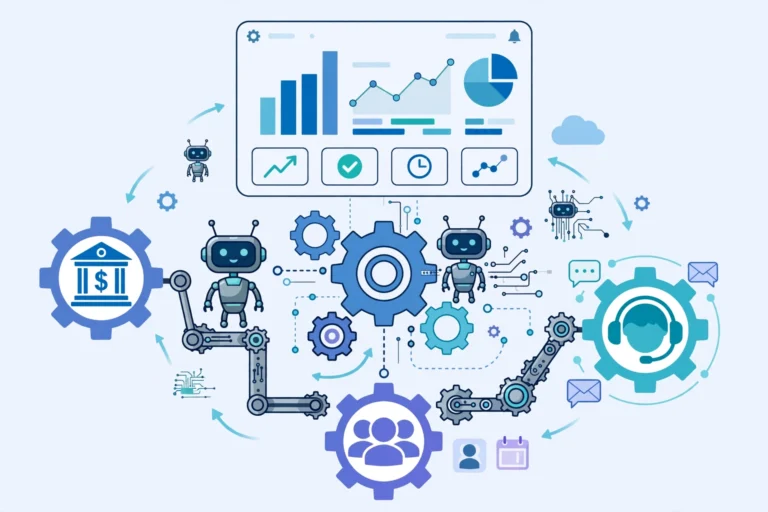
Digital automation services explained: what they include, how RPA, workflow and intelligent automation differ, what they cost, and when hiring a provider pays off.
Automation bots are software programs that handle repetitive digital tasks. Learn how they work, the types of bots, their costs, and where they make sense.
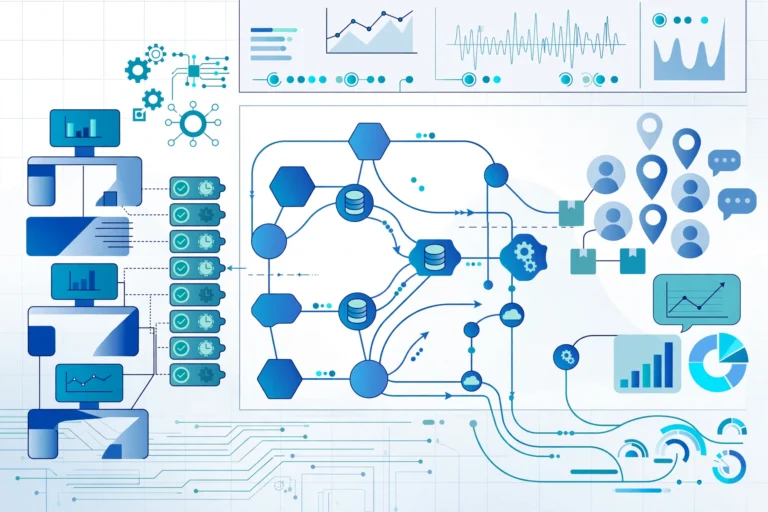
Service delivery automation market explained: why estimates range from $11B to $39B, what the software covers, and how to pick the right platform.

Robotic process automation for HR and payroll explained: which payroll tasks bots handle best, what it costs, what you need first, and the risks to watch.
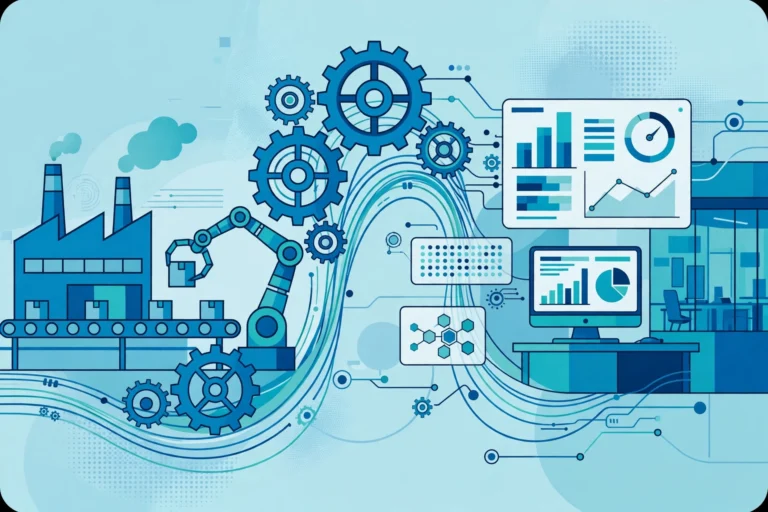
Automation implementation explained: what it is, the 7 steps from process mapping to pilot and scale, common pitfalls, and KPIs that prove it works.
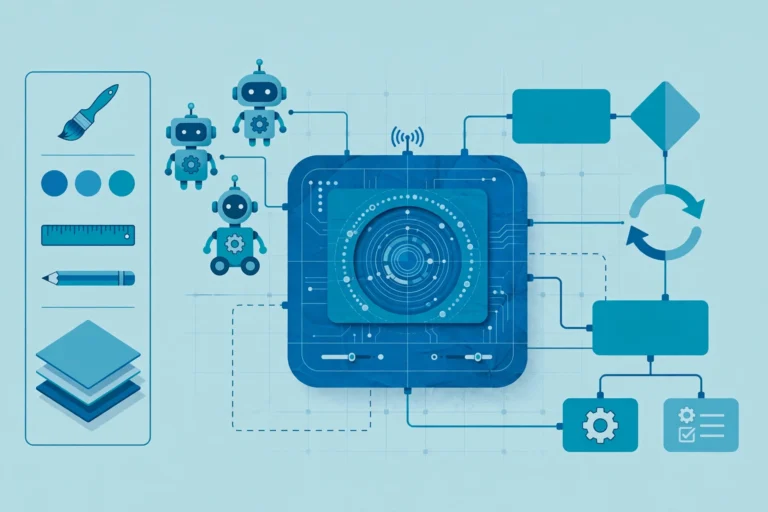
Robotic process automation architecture explained: how the design studio, software robots, and orchestrator work together to run attended and unattended bots.

Digital process automation (DPA) technology automates whole business processes end to end. Learn what DPA is, how it differs from RPA and BPM, and real examples.
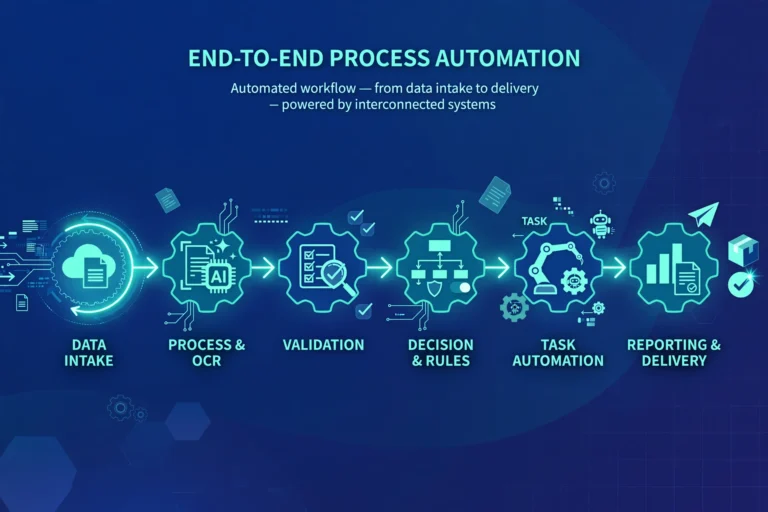
End-to-end process automation connects every step of a business workflow into one automated flow. Learn what it is, how it differs from RPA, and see real examples.