Michigan Dairy Worker Confirmed as Third U.S. Bird Flu Case as Respiratory Symptoms Spark New CDC Alarms
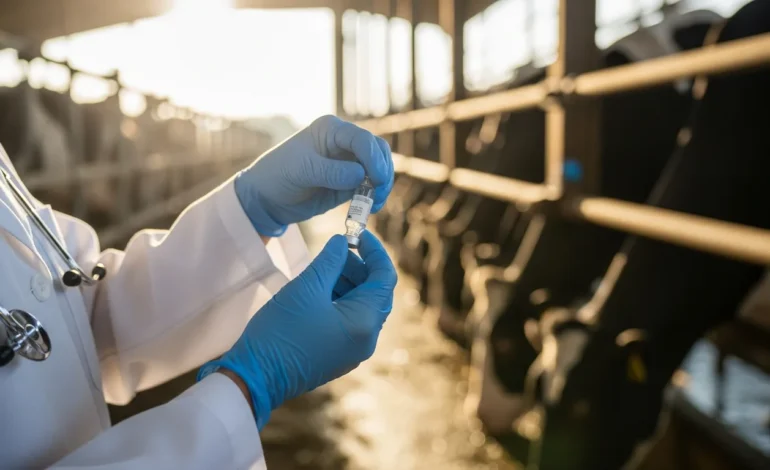
LANSING, Mich. — In a major development that could reshape the American public health landscape, federal officials confirmed Thursday that a third dairy worker has tested positive for the H5N1 bird flu, marking a significant escalation as the patient is the first in the United States to exhibit respiratory symptoms.
The Centers for Disease Control and Prevention (CDC) reported that the individual, an employee at a farm in Michigan, is the second person in the state and the third nationwide to contract the virus following exposure to infected cattle. Unlike the previous two cases, which presented primarily with conjunctivitis, or eye infections, this patient reported more traditional flu-like symptoms, including a cough and congestion.
Health authorities are moving with extreme urgency to determine if the virus is evolving to become more easily transmissible among humans. While the CDC maintains that the current risk to the general public remains low, the emergence of respiratory illness represents a tactical shift in how the virus is manifesting in human hosts.
A Shift in Clinical Presentation
The transition from ocular symptoms to respiratory distress is a critical data point for epidemiologists tracking the H5N1 strain. Respiratory symptoms generally increase the likelihood of viral shedding through coughing or sneezing, which is the primary mechanism for human-to-human transmission.
CDC officials noted that the worker was not wearing full personal protective equipment (PPE) at the time of exposure. The agency continues to stress that those working in close proximity to livestock must utilize rigorous safety protocols to prevent further spillover.
- The patient was treated with the antiviral drug oseltamivir, commonly known as Tamiflu.
- All household contacts of the worker have been monitored, and none have shown signs of illness.
- No other workers at the same farm have tested positive at this time.
The discovery comes as federal agencies are already stretched thin by other health crises, including the recent norovirus outbreak that infected over 100 people on a major cruise vessel. The intersection of multiple viral threats has placed the nation’s surveillance infrastructure under significant pressure.
Expanding Surveillance and Testing
Michigan has been at the forefront of the H5N1 response, implementing some of the most aggressive testing and monitoring programs in the country. State health officials have been tracking hundreds of farmworkers who may have been exposed to infected milk or cattle.
The H5N1 virus has now been detected in dairy herds across nine states. The USDA has issued federal orders requiring the testing of lactating dairy cattle before they are moved across state lines, a move intended to contain the spread within the agricultural sector.
While scientists continue to make strides in other areas of immunology, such as the FDA’s recent approval of gene therapy for childhood blindness, the H5N1 virus remains a moving target that requires constant genomic sequencing to monitor for dangerous mutations.
Impact on the U.S. Dairy Industry
The ongoing outbreak has sent shockwaves through the multibillion-dollar U.S. dairy industry. Farmers are facing increased costs for biosecurity measures and potential losses in production as herds struggle with the infection.
Federal officials have reiterated that the commercial milk supply remains safe due to the pasteurization process, which effectively kills the H5N1 virus. However, health experts continue to warn against the consumption of raw, unpasteurized milk, which could serve as a direct vector for human infection.
The CDC and the Michigan Department of Health and Human Services (MDHHS) are continuing their joint investigation. They are working to identify any additional cases through expanded blood testing to see if more workers have been infected without realizing it.
Frequently Asked Questions
What are the symptoms of the latest H5N1 case?
The third patient reported respiratory symptoms, including a cough and congestion, in addition to discomfort. This differs from the first two cases, which only involved eye redness and irritation.
Is the general public at risk of catching bird flu?
The CDC currently assesses the risk to the general public as low. The virus is primarily spreading among people with direct, prolonged exposure to infected dairy cows or poultry.
Is it safe to drink milk from the grocery store?
Yes. Commercial milk is pasteurized, a process that has been proven to inactivate the H5N1 virus. Health officials strongly advise against drinking raw milk, especially from areas with known outbreaks.
How is the government responding to the Michigan cases?
The government is providing antiviral treatments, expanding testing for farmworkers, and requiring testing for cattle moving across state lines. They are also monitoring the virus’s genetic makeup for any signs that it is becoming more contagious among people.