Walmart Pricing Crisis: Technical Glitch Triggers Mass Overcharges Across Thousands of U.S. Stores
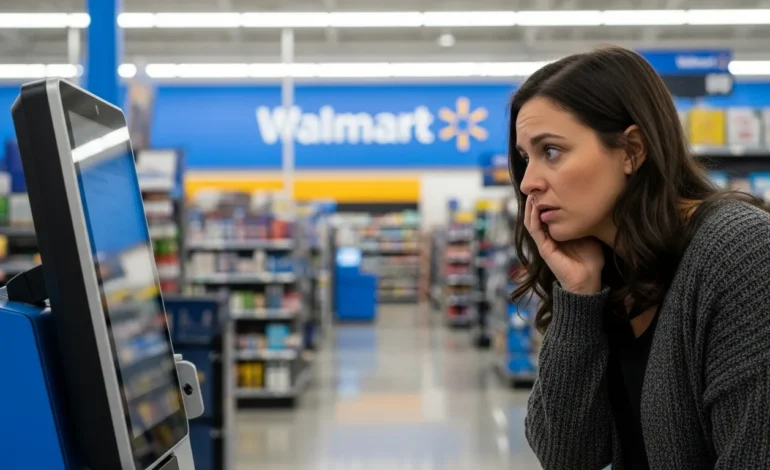
BENTONVILLE, Ark. — In a major development that could reshape consumer trust in automated retail systems, Walmart Inc. has launched an internal investigation into a widespread technical failure that resulted in thousands of customers being overcharged at registers nationwide.
The retail giant confirmed Thursday that a significant software error affected pricing accuracy at thousands of its U.S. locations, leading to incorrect totals during the checkout process.
The company stated that it has already identified the underlying software bug and has moved to reimburse the majority of affected shoppers through automated systems.
The timing of the glitch is particularly sensitive as millions of Americans are currently participating in a record-breaking Memorial Day travel surge, placing additional strain on household budgets already squeezed by economic volatility.
Systemic Software Failure Under Scrutiny
Retail analysts suggest the error may stem from a synchronization failure between central pricing databases and local point-of-sale systems.
While Walmart has not disclosed the exact number of transactions affected, the company admitted the glitch spanned a significant portion of its 4,700 U.S. stores.
Key details of the incident include:
- The error primarily impacted “weighted” items and promotional discounts that failed to apply at the register.
- Overcharges ranged from a few cents to several dollars per transaction.
- The glitch persisted for several hours before being flagged by automated monitoring systems.
Walmart’s technical teams are currently performing a deep-dive audit of the code responsible for the pricing discrepancy.
Rapid Refund Response
Walmart stated it has already successfully initiated reimbursements for the “vast majority” of affected shoppers through automatic credit card reversals.
Customers who paid with cash or used specific digital wallets may need to visit a customer service desk with their receipts to claim their refunds manually.
The company emphasized that its priority is restoring accuracy to its pricing systems, especially as concerns over global stagflation continue to make every dollar count for the average American consumer.
“We have identified a technical issue that caused some of our customers to be overcharged for certain items,” a Walmart spokesperson said. “Our teams worked quickly to resolve the underlying error and we are currently investigating the root cause to ensure this does not happen again.”
Consumer Confidence and Technical Reliability
This incident highlights the growing vulnerability of the world’s largest retailers to digital infrastructure failures.
As Walmart continues to integrate more AI-driven pricing and automated checkout technology, the risk of system-wide errors remains a persistent threat to corporate reputations.
Industry experts warn that as retailers move toward more complex, real-time pricing models, the margin for technical error becomes razor-thin.
Walmart has not yet provided a timeline for the completion of its full technical audit but maintains that all systems are currently functioning normally across its retail footprint.
Frequently Asked Questions
How do I know if I was overcharged at Walmart?
Customers are encouraged to review their digital or physical receipts from the last 48 hours. If you used a credit or debit card, check your bank statement for any automatic reversals or “pending” corrections from Walmart.
Do I need to go back to the store for a refund?
If you paid via credit card, debit card, or the Walmart app, the company says most refunds are being processed automatically. Cash customers will likely need to present their receipt at a store location for a manual refund.
Was this a cyberattack or a hack?
At this time, Walmart has characterized the event as an internal technical glitch and software error. There is currently no evidence suggesting a third-party breach or malicious cyber activity.
Which stores were affected by the pricing error?
Walmart has confirmed the issue was widespread across thousands of U.S. stores, though it has not released a specific list of locations. All departments, including grocery and general merchandise, were potentially impacted.