Americans Defy Historic Fuel Costs as Memorial Day Travel Surges Toward Record Highs
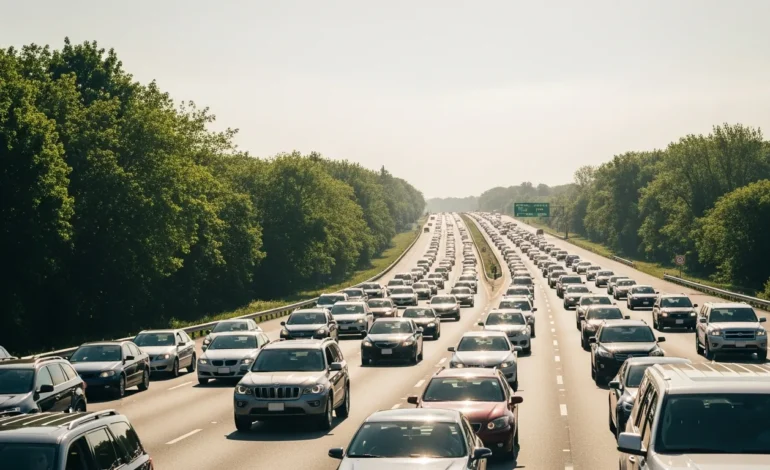
WASHINGTON, D.C. — Millions of Americans flooded the nation’s highways and airports this Memorial Day weekend, pushing travel volumes toward historic records despite the burden of record-high fuel prices.
Data released by AAA indicates that the 2026 holiday weekend saw a massive influx of travelers, nearly eclipsing all-time highs. This surge comes as a surprise to many economists who predicted that soaring energy costs would dampen the traditional kickoff to the summer season.
The sheer volume of travelers suggests a “travel-at-all-costs” mentality among the American public. However, this resilience may be short-lived as the financial strain of the current economy begins to take a visible toll on household budgets.
Economic Resilience in the Face of Inflation
The travel boom occurred even as gas prices reached historic heights across the country. Drivers in several coastal states reported paying well over $5.50 per gallon, yet the demand for road trips remained remarkably inelastic.
According to AAA’s latest analysis, the desire for post-pandemic normalcy and family reconnection continues to outweigh immediate financial concerns. This mirrors earlier predictions of a record-breaking 44 million Americans hitting the road during the holiday window.
Air travel also saw a significant uptick, with the TSA reporting screening numbers that rivaled 2019 levels. Despite high ticket prices and frequent delays, travelers appeared undeterred in their quest to reach holiday destinations.
The Looming Summer Spending Cliff
While the holiday weekend was a success for the travel industry, the long-term outlook remains precarious. A new survey accompanying the AAA report reveals a darkening cloud on the horizon for the tourism sector.
Nearly half of the Americans surveyed admitted they plan to significantly cut back on future vacation spending. These reductions are contingent on whether energy costs remain at their current elevated levels through the remainder of the summer months.
“We are seeing a ‘last hurrah’ phenomenon,” said one senior travel analyst. “People were committed to this Memorial Day window, but their wallets are telling a different story for July and August.”
If these spending cuts materialize, the broader US economy could face a cooling period. The travel and hospitality sectors, which rely heavily on consistent summer traffic, are bracing for a potential downturn in mid-to-late season bookings.
Infrastructure and Safety Challenges
The massive influx of travelers did not come without logistical hurdles. Major metropolitan hubs reported significant congestion, and many travelers were forced to navigate severe weather warnings across the central United States that threatened to disrupt flight schedules and road safety.
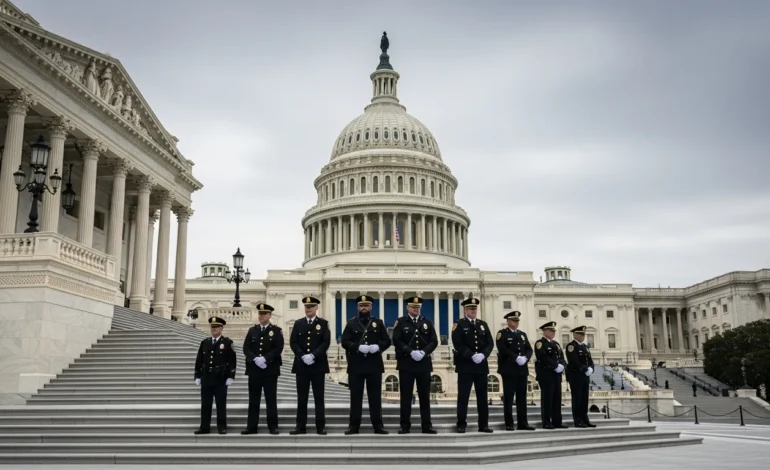
Law enforcement agencies increased their presence on interstate highways to manage the record volume. Despite the heavy traffic, AAA reported that roadside assistance calls were up 12% compared to last year, primarily due to vehicle breakdowns and fuel-related issues.
As the holiday weekend concludes, the focus now shifts to the Federal Reserve and energy markets. Policymakers are closely watching how consumer behavior shifts in response to the sustained pressure of inflation and high fuel costs.
Frequently Asked Questions
How many people traveled during the 2026 Memorial Day weekend?
AAA reports that travel volume approached record levels, with approximately 44 million Americans traveling by car, plane, and other modes of transport.
Are high gas prices affecting summer travel plans?
While holiday travel remained high, nearly 50% of surveyed Americans stated they would reduce their vacation spending if fuel costs do not decrease later this summer.
What was the most popular mode of transportation this weekend?
Road travel remained the dominant choice for Americans, though air travel reached its highest volume since the pre-pandemic era despite rising ticket costs.
How did weather impact the travel record?
Severe thunderstorms and tornado threats in the Midwest and Plains caused localized delays, but they were not enough to significantly lower the overall national travel volume.