What Vapes Are Made in the USA? A 2026 Guide to Domestic Vapor Manufacturing
The Shift Toward Domestic Vapor Production in 2026
As of May 31, 2026, the landscape of the American vapor industry has undergone a significant transformation. Driven by a combination of stricter FDA enforcement and evolving trade policies, the demand for domestically produced vaping products has reached an all-time high. Consumers are no longer just looking for the latest technology; they are seeking transparency, quality control, and the assurance that their products meet stringent American safety standards.
The movement toward “Made in the USA” is not merely a patriotic sentiment but a response to complex global supply chain disruptions. Recent analysis of 2026 trade policy shifts reveals that tariffs and import restrictions have made domestic manufacturing more competitive than ever. This economic environment has encouraged several major brands to reshore their production facilities, bringing jobs back to states like Florida, Texas, and California.
For the American vaper, this shift means faster shipping times, better customer support, and a higher level of accountability. While the majority of mass-market hardware still originates overseas, the high-end mod market and the vast majority of premium e-liquids are now firmly rooted in American soil. This guide explores the current state of US-based manufacturing and helps you identify which products are truly made at home.
E-Liquid Manufacturing: The Gold Standard of US Production
While hardware manufacturing is complex, the United States has long been the global leader in e-liquid production. In 2026, the distinction between “American-made” and imported liquids is clearer than ever. US-based labs must adhere to Current Good Manufacturing Practices (cGMP) and are subject to regular FDA inspections, ensuring that the ingredients—nicotine, vegetable glycerin, and propylene glycol—are of the highest pharmaceutical grade.
Key characteristics of US-made e-liquids include:
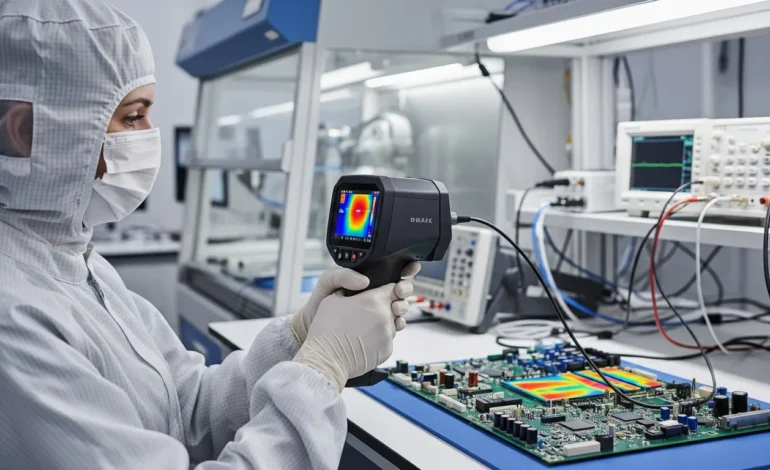
- ISO-Certified Cleanrooms: Most reputable US brands now manufacture in ISO 7 or ISO 8 certified environments to prevent contamination.
- Ingredient Transparency: Domestic manufacturers are required to provide full ingredient disclosures to the FDA, a level of transparency rarely found in unregulated imports.
- Child-Resistant Packaging: Strict adherence to the Poison Prevention Packaging Act is a hallmark of American-made products.
- Batch Tracking: Advanced QR code systems allow consumers to trace their specific bottle back to its production date and lab results.
Brands such as Halo, Five Pawns, and Black Note continue to maintain large-scale production facilities within the US. These companies have invested millions into the Premarket Tobacco Product Application (PMTA) process, securing their place in the legal market while ensuring their supply chains remain entirely domestic.
American-Made Hardware and High-End Mods
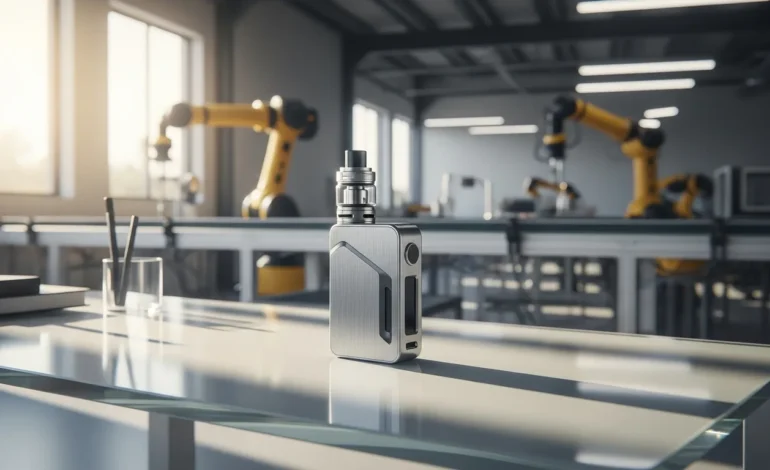
Finding 100% American-made hardware is more challenging than finding US-made juice, but a dedicated niche of manufacturers persists. These companies focus on “high-end” or “boutique” devices, often utilizing CNC machining and hand-assembly. In 2026, these devices are prized for their durability and the use of high-quality materials like aerospace-grade aluminum and stabilized wood.
Manufacturers like Billet Box Vapor and Kennedy Vapor have maintained their cult status by keeping production local. These devices are often more expensive than their mass-produced counterparts, but they offer a longevity that disposable or cheap imported vapes cannot match. For many enthusiasts, the investment in a US-made mechanical mod or regulated device is a way to ensure they are using a product built to last years rather than weeks.
Furthermore, the rise of 3D printing technology in 2026 has allowed smaller American startups to enter the market. These companies often produce “squonk” boxes and custom enclosures in small batches, catering to a demographic that values craftsmanship over mass-market convenience. This localized production also allows for rapid prototyping and innovation that large overseas factories struggle to emulate.
The Role of FDA Regulations and PMTA Compliance
The regulatory environment in 2026 is the primary filter for what stays on American shelves. The FDA’s PMTA process has effectively created a “white list” of products that have proven they are appropriate for the protection of public health. For a product to be considered truly “made in the USA” in a legal sense, it must not only be manufactured here but also possess the necessary federal authorizations.
This regulatory hurdle has actually strengthened domestic manufacturers who have the resources to navigate the legal complexities. By 2026, the market has seen a consolidation where only the most compliant and transparent companies remain. This has led to a “quality over quantity” era, where the vapes available in local shops are more likely to be legitimate, tested, and domestically sourced than those found in the unregulated “grey market” of previous years.
How to Verify “Made in USA” Claims
With the marketing appeal of domestic manufacturing, some brands may use misleading labels like “Designed in the USA” or “Assembled in the USA.” To ensure you are supporting local industry, it is essential to look for specific markers. The Federal Trade Commission (FTC) requires that for a product to be labeled “Made in USA,” all or virtually all of the product must be made in the United States.
Check the packaging for the specific location of the manufacturing facility. Legitimate US manufacturers are proud of their origins and will often list the city and state of their laboratory or machine shop. Additionally, you can cross-reference brand names with the FDA’s list of authorized tobacco products to ensure they are operating within the legal framework of 2026. As Memorial Day travel records are expected to fall this year, many Americans are stocking up on these reliable, domestically-produced devices for their summer road trips, prioritizing reliability over the uncertainty of cheap imports.
Frequently Asked Questions
Are US-made vapes more expensive than imports?
Generally, yes. American-made vapes and e-liquids often carry a higher price tag due to higher labor costs, stricter regulatory compliance fees, and the use of premium, pharmaceutical-grade ingredients. However, many consumers find the cost justified by the increased safety standards, better build quality, and the peace of mind that comes from knowing the product was manufactured under strict FDA oversight.
Why are most vape batteries still made in China?
While the enclosures and e-liquids can be made in the USA, the lithium-ion battery cells themselves are a global commodity dominated by large manufacturers in Asia, such as Sony, Samsung, and LG. As of 2026, while there is a push for domestic battery production for electric vehicles, the specialized small-scale cells used in vapes are still primarily sourced from established international electronics hubs.
How can I tell if my e-liquid is actually made in a cleanroom?
Reputable US manufacturers will often display their ISO certification on their website or packaging. You can also look for brands that participate in third-party testing programs. In 2026, many top-tier American labs provide a “Certificate of Analysis” (CoA) for every batch, which you can access via a QR code on the bottle to verify the purity and safety of the liquid.
Are disposable vapes made in the USA?
The vast majority of disposable vapes are manufactured in China due to the low-cost, high-volume nature of the product. However, in 2026, a few American companies have begun producing “semi-disposable” systems where the e-liquid is filled in the US, even if the plastic shell is imported. True 100% US-made disposables remain rare due to the complexity of domestic electronics assembly at that price point.
Is it legal to buy non-FDA approved vapes in 2026?
Technically, any vapor product sold in the US must have FDA authorization. While some non-approved products may still be found, the 2026 enforcement environment is very strict. Buying from established US manufacturers who have completed the PMTA process is the only way to ensure you are purchasing a legal, regulated product that meets current American safety and marketing standards.