High Court Showdown: Supreme Court Adds Environmental and Corporate Liability Cases to 2026 Docket
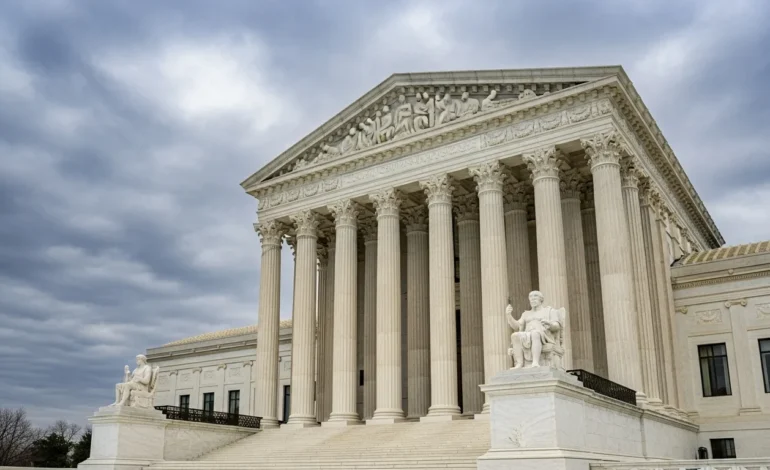
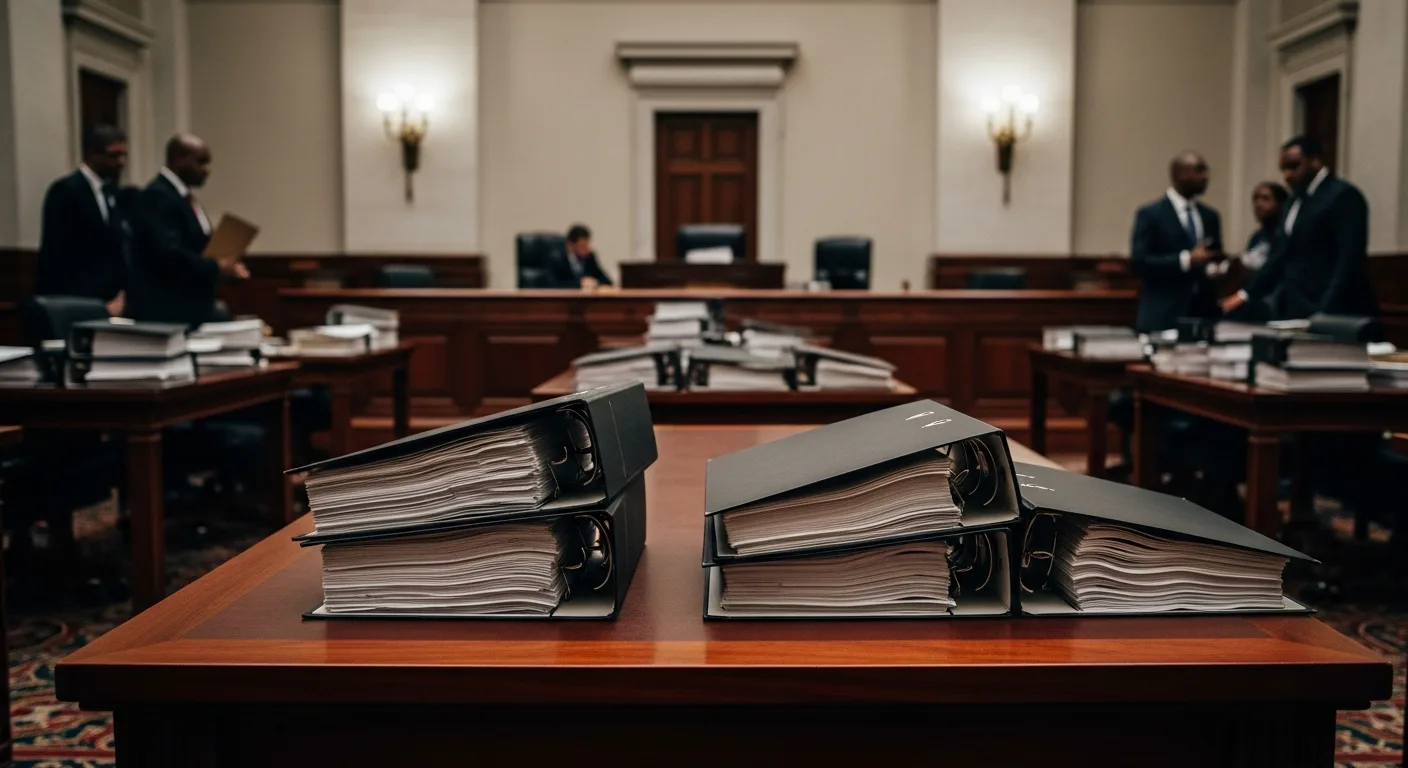
WASHINGTON, D.C. — In a major development that could reshape the American landscape, the U.S. Supreme Court on Monday morning released an expansive Order List that places federal regulatory power and corporate accountability at the center of the upcoming judicial term.
The high court agreed to hear several high-profile appeals that challenge the scope of environmental protections and the extent to which multinational companies can be held liable for systemic negligence. This move comes as the justices prepare to conclude their current session, setting a rigorous and controversial agenda for the fall.
Legal analysts suggest the new docket represents a concerted effort to further clarify—or potentially curtail—the authority of federal agencies. The court’s decision to grant certiorari in these cases signals a looming battle over the executive branch’s ability to enforce mandates without explicit and granular congressional approval.
Environmental Regulations Under the Microscope
The most significant addition to the docket involves a multi-state challenge to the Environmental Protection Agency’s (EPA) latest oversight regarding interstate air pollution. The justices will determine if the agency exceeded its statutory authority under the Clean Air Act, a ruling that could have ripple effects across the energy sector.
This judicial scrutiny follows a period of intense international legal pressure regarding environmental damage. For instance, the court’s decision to review these cases coincides with global efforts to address industrial pollution, such as Australia’s aggressive legal action against 3M over PFAS contamination, which has set a new global benchmark for corporate accountability.
Key takeaways from the environmental portion of the Order List include:
- Review of the “Good Neighbor” provision regarding cross-state smog pollution.
- Challenges to federal jurisdiction over seasonal wetlands and protected waterways.
- A potential re-evaluation of the Chevron deference, which traditionally allows agencies to interpret ambiguous laws.
Corporate Liability and Accountability
Beyond environmental concerns, the Supreme Court is set to tackle the complex web of corporate liability. One of the accepted cases involves a massive class-action suit regarding supply chain transparency and the legal responsibility of parent companies for the actions of their subsidiaries.
The court will also weigh in on the finality of federal settlements involving major infrastructure and transportation entities. This is particularly relevant following the Norfolk Southern’s historic $15 million fine and safety overhaul, which highlighted the massive financial stakes involved in corporate disaster remediation.
Legal experts believe the justices are looking to establish a more uniform standard for how corporations negotiate with federal regulators. Currently, varying appellate court rulings have created what some call a “patchwork of liability” that businesses argue hinders interstate commerce.
Timing and Judicial Strategy
The release of the June 1 Order List is a traditional milestone for the Supreme Court, marking the transition from deciding current cases to building the future docket. Oral arguments for these newly added cases are expected to begin in October 2026.
The current conservative majority has shown a consistent interest in revisiting long-standing precedents that govern the administrative state. By selecting these specific cases, the court is positioning itself as the final arbiter in the ongoing tug-of-war between regulatory agencies and private industry.
While the court denied hundreds of other petitions this morning, the cases it did select represent some of the most litigious and politically charged issues in the country today. Observers expect a flurry of amicus briefs from industry groups and environmental advocates alike as the summer progresses.
The decisions rendered in these cases will likely define the 2026-2027 term and could permanently alter the relationship between the federal government and the private sector. As the nation watches, the high court’s path forward remains clear: a deep dive into the limits of American regulatory power.
Frequently Asked Questions
What is a Supreme Court Order List?
An Order List is a formal document released by the Supreme Court that details the justices’ decisions on which cases they will hear (granted certiorari) and which they will decline to review. It also includes summary dispositions and attorney disciplinary actions.
Why are environmental cases so prominent in this list?
There has been an increase in legal challenges to federal agency mandates following recent rulings that limit the “administrative state.” This docket reflects the court’s interest in clarifying how much power the EPA and other agencies have to set national policy without new laws from Congress.
When will the Supreme Court issue rulings on these new cases?
Cases added to the docket today will likely be argued in the fall of 2026 or early 2027. Final rulings are typically released by the end of the term in June 2027.
Can the Supreme Court change its mind after adding a case?
While rare, the court can “dismiss as improvidently granted” (DIG) a case if they later determine it does not meet the necessary legal criteria for a full review. However, this usually only happens after oral arguments have begun.