Federal Settlement Mandates $15 Million Fine and Massive Safety Overhaul for Norfolk Southern
The Price of a Disaster: A Landmark Agreement
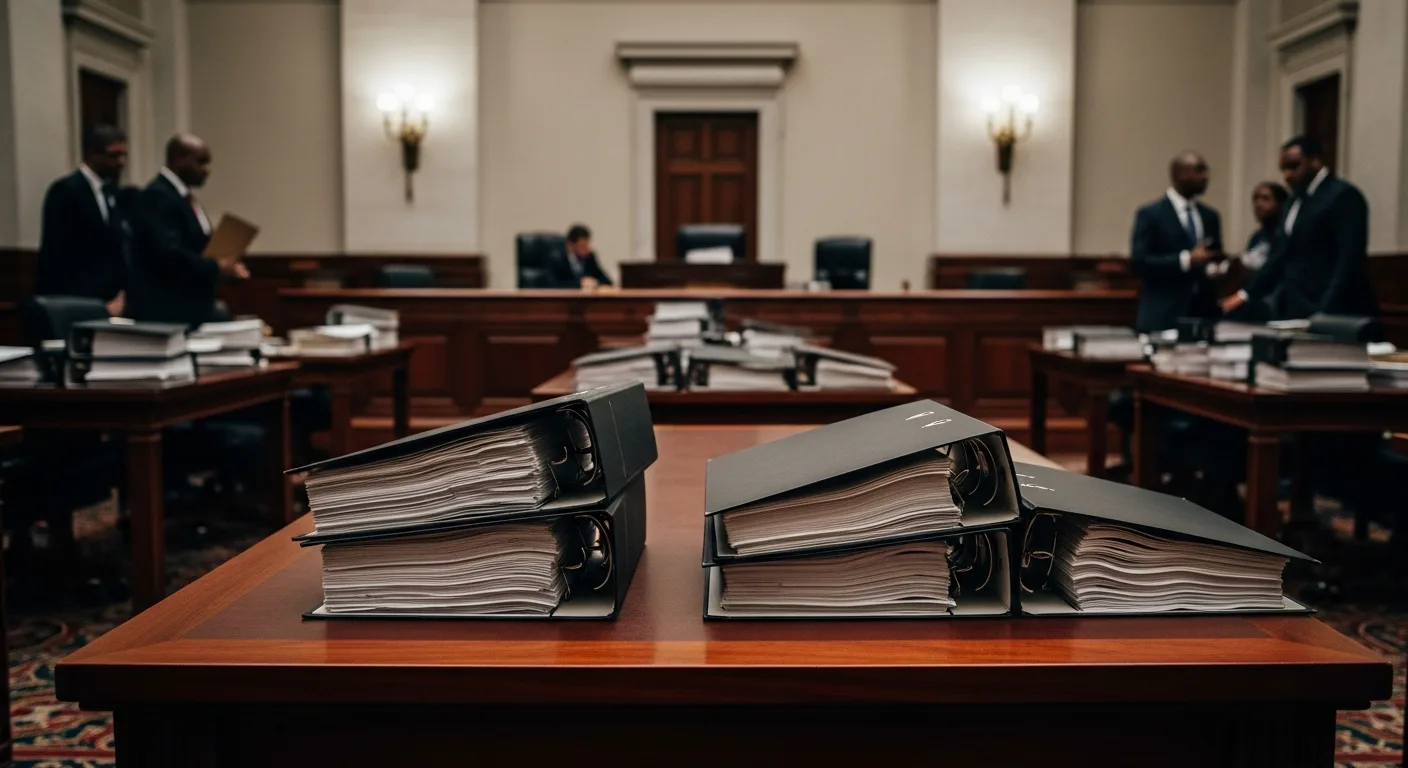
EAST PALESTINE, Ohio — In a major development that could reshape the American landscape of corporate liability and rail transportation, Norfolk Southern has reached a definitive settlement with federal authorities over the catastrophic 2023 derailment. The rail giant has agreed to pay a $15 million civil penalty and has committed to spending more than $500 million on comprehensive safety improvements and long-term community health initiatives. This agreement, finalized on May 24, 2026, serves as a formal conclusion to the federal litigation surrounding the toxic chemical spill that forced thousands from their homes and ignited a national conversation on infrastructure safety.
The settlement, brokered by the U.S. Environmental Protection Agency (EPA) and the Department of Justice (DOJ), represents one of the most significant environmental enforcement actions in recent rail history. Beyond the immediate financial penalties, the deal mandates a rigorous schedule of technological upgrades and environmental monitoring intended to prevent a recurrence of the mechanical failures that led to the disaster in East Palestine. For the residents of the Ohio-Pennsylvania border region, the news brings a mixture of closure and the promise of sustained federal oversight for decades to come.
The Financial Weight of Accountability
The total financial package exceeds $600 million when accounting for the civil fine, previous cleanup costs, and future safety investments. While the $15 million civil penalty is the maximum allowed under the Clean Water Act for this type of incident, the true impact of the settlement lies in the $500 million commitment to operational changes. Industry analysts suggest that this figure represents a significant portion of the company’s annual capital expenditure, signaling to Wall Street that the cost of regulatory non-compliance has reached a new threshold.
The settlement includes several key financial pillars:
- $15 Million Civil Penalty: Paid directly to the federal government as a punitive measure for environmental violations.
- $25 Million Community Health Program: Funding for a 20-year health monitoring program to track long-term respiratory and dermatological issues among residents.
- $30 Million for Water Monitoring: Continuous testing of private wells and public water systems in the affected area.
- $175 Million for Safety Technology: Direct investment in advanced rail sensors and inspection infrastructure.
Federal regulators noted that these funds are legally binding and subject to independent auditing. Failure to meet the milestones outlined in the agreement could result in further daily fines, ensuring that the company remains focused on its remedial obligations.
Safety Infrastructure and Technological Overhauls
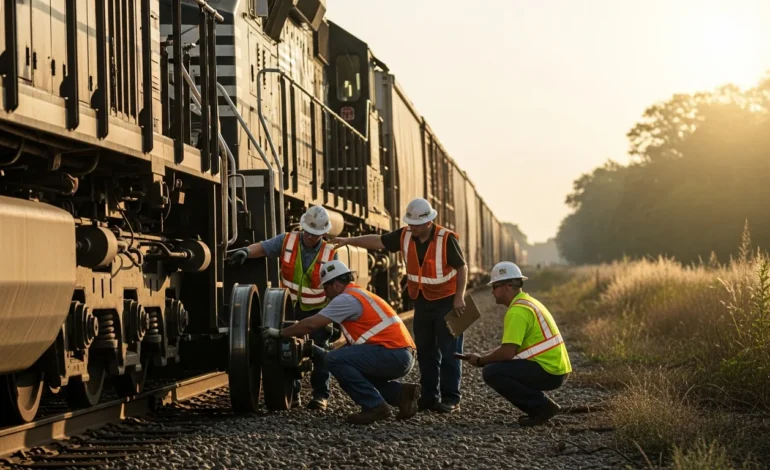
A primary cause of the 2023 derailment was a mechanical failure involving an overheated wheel bearing that went undetected by trackside sensors until it was too late. To address this, Norfolk Southern has pledged to revolutionize its detection network. The settlement mandates the installation of hundreds of next-generation hot bearing detectors and acoustic sensors designed to identify internal equipment flaws before they reach a critical state.
Reports suggest that the company will also implement an AI-driven predictive maintenance system. By analyzing real-time data from thousands of miles of track, the system can theoretically predict which cars are at the highest risk of failure. This shift from reactive to proactive maintenance is a cornerstone of the federal government’s requirements. Experts in transportation policy argue that if these technologies prove successful, they could become the new standard for the entire Class I railroad industry, potentially forcing competitors to follow suit to avoid similar liabilities.
Community Health and Environmental Stewardship
For the people of East Palestine, the most critical aspect of the settlement is the 20-year health and environmental commitment. The 2023 spill released thousands of gallons of vinyl chloride and other hazardous chemicals, leading to a controlled burn that sent a plume of black smoke over the region. While initial testing showed that air and water quality returned to safe levels shortly after the accident, the long-term biological effects remain a point of anxiety for the community.
The new agreement establishes a permanent medical clinic in East Palestine, funded by the railroad but operated by independent healthcare providers. This facility will offer specialized screenings for conditions linked to chemical exposure. Additionally, the settlement requires Norfolk Southern to continue dredging local waterways, such as Leslie Run and Sulphur Run, until federal scientists certify that all residual contaminants have been removed. This process is expected to take several more years, given the complexity of extracting chemicals from sediment.
A Shift in Rail Industry Standards
The implications of this settlement extend far beyond the borders of Ohio. For typical Americans, the agreement represents a shift in how the government holds massive logistical corporations accountable. For years, the rail industry has been criticized for lobbying against stricter safety regulations in favor of precision scheduled railroading (PSR)—a model that prioritizes efficiency and longer trains.
However, the sheer scale of the East Palestine settlement may signal the end of that era. Industry observers believe that the Department of Transportation will use this case as a blueprint for future rail safety legislation. We are seeing a move toward mandated two-person crews, shorter train lengths in high-risk corridors, and more frequent inspections. For the average consumer, while these changes may eventually lead to marginal increases in the cost of transported goods, the trade-off is a significantly lower risk of catastrophic environmental events in their own backyards.
Ultimately, the $15 million fine and the half-billion-dollar safety pledge serve as a stark reminder of the high stakes involved in modern American infrastructure. As Norfolk Southern begins the long process of implementing these changes, the eyes of the nation—and the residents of East Palestine—will remain fixed on the tracks, waiting to see if these promises translate into a safer future.
Frequently Asked Questions
What was the primary cause of the East Palestine derailment?
The National Transportation Safety Board (NTSB) identified an overheated wheel bearing on one of the rail cars as the primary cause. The trackside sensors failed to alert the crew in time to stop the train before the bearing failed, leading to the derailment of 38 cars, several of which contained hazardous materials.
How will the $15 million fine be utilized?
The $15 million is a civil penalty paid to the U.S. Treasury. It is intended as a legal punishment for violations of the Clean Water Act and other environmental regulations. The much larger $500 million sum is what will be directly invested into safety, health, and environmental restoration.
Is the air and water in East Palestine safe for residents?
Current data from the EPA and local health departments indicate that air and water quality levels are within safe federal standards. However, the settlement mandates another 20 years of rigorous monitoring to ensure that no long-term leaching or secondary contamination occurs.
Will this settlement lead to higher shipping costs?
While the $500 million investment is a significant corporate expense, it is spread out over several years. While some marginal costs may be passed down through the supply chain, analysts suggest that the improved efficiency and reduced risk of accidents may actually stabilize long-term operational costs for the railroad.