TSA Moves Security to the Suburbs with First Remote Screening Site in Massachusetts
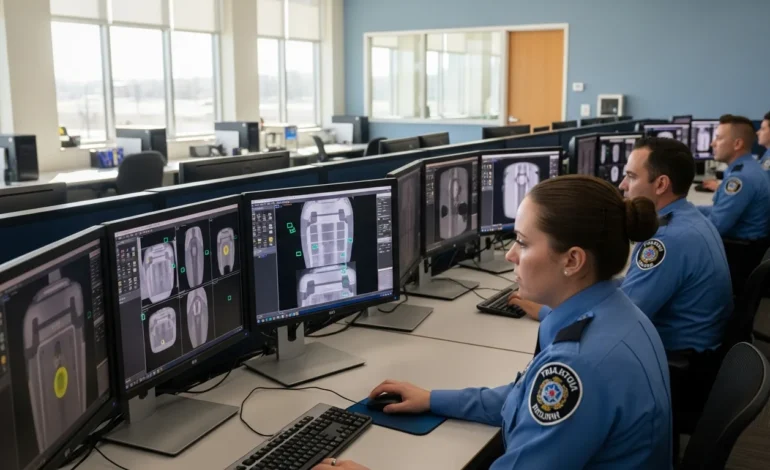
For travelers in Framingham, the stressful crawl toward Boston Logan’s crowded terminals just became a memory. Since Monday, passengers have been clearing federal security checkpoints miles away from the airport tarmac.
The Transportation Security Administration (TSA) officially launched its first-in-the-nation remote screening pilot on June 1, 2026. This initiative, established under the leadership of President Trump and Homeland Security Secretary Mullin, aims to decentralize airport security and ease the burden on major metropolitan hubs.
The program operates through a strategic partnership between the TSA and the Massachusetts Port Authority (Massport). It currently serves a specific segment of the traveling public to test the feasibility of off-site federal processing.
Security in the Suburbs
Travelers flying on JetBlue or Delta can now park at the Framingham remote terminal and check their luggage on-site. Once they pass through the screening equipment, they board a secure bus that deposits them directly into the sterile side of their respective Logan terminals.
Operating daily from 5:30 a.m. to 4:00 p.m., the service allows passengers to bypass the expensive and often full parking garages at the main airport site. The goal is to slash wait times at traditional checkpoints while significantly reducing traffic congestion on the I-90 corridor.
A Blueprint for National Expansion
TSA officials describe this as a fundamental shift in how the agency manages the secure perimeter of American aviation. If the Boston-area pilot meets efficiency and security benchmarks, the agency plans to export the model to other high-traffic hubs like LAX and O’Hare.
This expansion would mark the most significant change to the passenger experience since the agency’s post-9/11 inception. By moving the border of the airport into the community, the TSA is betting that decentralization is the key to handling record-breaking passenger volumes.
Key Features of the Remote Screening Program
- Eligibility: Currently limited to passengers on Delta and JetBlue flights.
- Location: The inaugural terminal is situated in Framingham, Massachusetts, acting as a satellite security hub.
- Logistics: The process includes on-site baggage check and immediate transfer to secure airport zones via dedicated shuttles.
- Hours: Daily operations run from early morning through late afternoon to capture peak travel windows.
The New Frontier of Secure Transit
This move effectively extends the federal security footprint into local neighborhoods, turning suburban parking lots into high-security zones. While the convenience factor is high, the program requires a rigid chain of custody for the buses to ensure the secure perimeter is never breached during the transit to Logan.
The success of this pilot will likely determine if the traditional airport ‘check-in’ becomes a relic of the past for suburban commuters. As travel demand continues to climb, moving the bottleneck away from the runway may be the only way to keep the system from seizing up.
Related Coverage
- National Travel Surge: Memorial Day Records Expected to Fall
- Americans Defy Historic Fuel Costs as Memorial Day Travel Surges
Frequently Asked Questions
Can I use this service if I am flying internationally?
Currently, the service is restricted to domestic flights operated by JetBlue and Delta to ensure streamlined processing during the initial pilot phase.
Is there an additional fee for using the remote terminal?
While the TSA screening follows standard federal protocols, travelers should check with Massport regarding parking rates at the Framingham facility compared to Logan’s on-site rates.
What happens if I miss the secure bus after clearing security?
Passengers who miss their scheduled transport must wait for the next secure shuttle or travel to Logan and clear security again at the main terminal, as the secure status is only maintained within the bus.
Will more airlines be added to the program soon?
TSA and Massport have indicated that additional carriers may be included if the initial phase successfully manages the logistical demands of the Framingham site.