Georgia Terminates Fuel Tax Relief Amid Global Energy Volatility; Savannah Seafood Fraud Unveiled
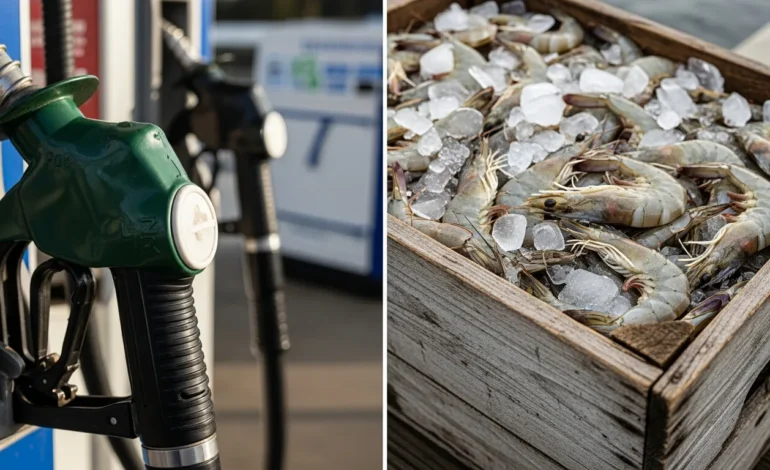
Throughout the history of modern energy diplomacy, domestic tax policies have frequently served as the primary shield against geopolitical shocks—a reality underscored by Georgia’s decision to let its fuel tax suspension expire as the regional conflict in Iran enters a new phase of uncertainty. At midnight on Tuesday, June 2, the state’s temporary relief measure officially concluded, resulting in an immediate price increase at the pump for motorists on Wednesday morning.
Governor Brian Kemp’s office confirmed that the tax holiday, which was implemented to mitigate soaring energy costs during the height of Middle Eastern hostilities, could no longer be sustained due to tightening budgetary constraints. State officials anticipate that the resumption of the tax will generate millions of dollars in essential revenue for critical infrastructure projects across the region.
Fiscal Realities and Infrastructure Revenue
The expiration of the gas tax represents a shift from consumer-focused relief back toward the long-term maintenance of the state’s logistical networks. While Georgia had shielded its residents from the full impact of global supply chain disruptions, the fiscal necessity of funding road and bridge repairs has now taken precedence over immediate pump-price stability.
This transition occurs as national energy markets remain sensitive to developments in the Strait of Hormuz. For further context on how regional blockades have impacted domestic costs, see the report on how national gas prices hit $4 in all 50 states following earlier disruptions.
Savannah’s Culinary Integrity Under Fire
Simultaneously, a forensic investigation by Georgia Public Broadcasting has exposed systemic deception within Savannah’s high-profile seafood industry. DNA testing revealed that more than 50% of local restaurants claiming to serve ‘wild caught’ Georgia shrimp were actually providing customers with imported, farm-raised alternatives.
City officials in Savannah have pledged a rigorous crackdown on seafood mislabeling to protect the economic viability of the local fishing fleet. This scandal has triggered urgent calls for the General Assembly to enact stricter state-level food inspections and more transparent labeling protocols to restore consumer trust.
Legal Shifts in the State Capital
In a separate but significant judicial development on June 3, the Georgia Supreme Court cleared a final legal hurdle allowing the state to resume certain executions. The ruling effectively concludes a long-standing pause on lethal injections that was initially triggered by COVID-19 safety protocols and subsequent procedural challenges.
The convergence of these events—economic, industrial, and judicial—highlights a period of intense institutional recalibration within the state. As Georgia moves to secure its borders and its budget, the broader geopolitical landscape continues to dictate the pace of local recovery efforts, including potential diplomatic shifts such as the historic nuclear agreement currently under negotiation.
Frequently Asked Questions
How much will gas prices increase following the tax expiration?
Motorists can expect an increase of approximately 29 to 31 cents per gallon, reflecting the standard state motor fuel tax rates that were previously suspended.
What specific shrimp species were found in the DNA testing?
The GPB investigation identified several species of imported Pacific white shrimp, which are commonly farm-raised in Southeast Asia and South America, being sold as local Atlantic white shrimp.
When will the first state executions take place under the new ruling?
While the court has cleared the legal path, the Department of Corrections must still issue specific warrants, which typically requires at least several weeks of lead time for scheduling.