Tehran Shatters Ceasefire with Ballistic Strikes on Bahrain and Kuwait Strategic Targets
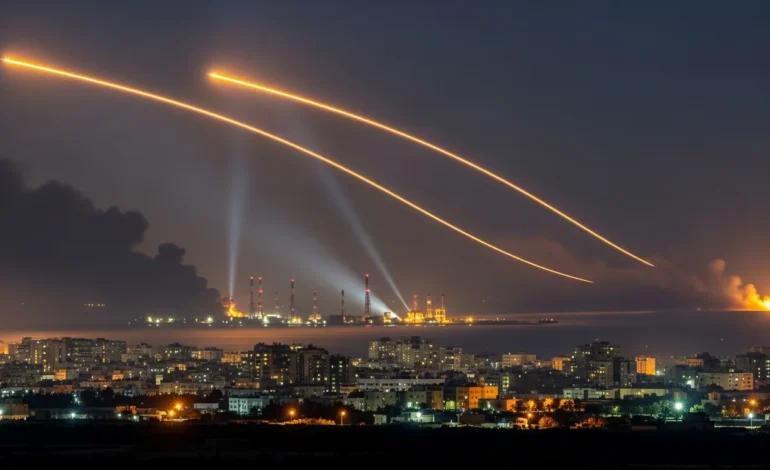
Regional security frameworks in the Persian Gulf have long relied on a delicate balance of maritime deterrence and diplomatic backchannels, a stability that was fundamentally compromised on Sunday. Iran’s Islamic Revolutionary Guard Corps (IRGC) launched a series of ballistic missile strikes targeting the Ali al-Salem airbase in Bahrain and residential corridors in Kuwait, effectively ending a fragile two-month ceasefire with United States forces.
The Ali al-Salem airbase serves as the strategic headquarters for the United States Navy’s 5th Fleet, making the direct strike a significant escalation in the ongoing military confrontation. While the IRGC claimed responsibility for the Bahraini assault, Kuwaiti military officials confirmed the successful interception of seven ballistic missiles over residential areas at dawn.
Defensive Interceptions and Maritime Retaliation
The U.S. military reported neutralized threats in the hours preceding the missile launches, having downed four Iranian drones in the Strait of Hormuz. In immediate response, American forces conducted retaliatory strikes against Iranian coastal surveillance radar sites to degrade Tehran’s maritime monitoring capabilities.
Kuwait’s Foreign Ministry has officially condemned the strikes as a “flagrant violation of sovereignty” after air raid sirens forced thousands of civilians into emergency shelters. Falling debris from intercepted missiles caused significant property damage in several Kuwaiti districts, though no immediate casualties were reported on June 7.
Economic Fallout and Diplomatic Demands
The World Food Programme (WFP) warned that this military escalation is exacerbating global instability, pushing millions toward hunger as energy and food prices surge. Tehran has signaled that its military operations are tied to economic grievances, specifically demanding the release of $24 billion in frozen assets as a prerequisite for any new peace negotiations.
This collapse of the fragile two-month ceasefire indicates a shift toward direct state-on-state kinetic actions, potentially forcing a permanent realignment of U.S. naval assets in the region. The move suggests that diplomatic efforts have stalled as both nations pivot back to high-intensity military posturing.
Frequently Asked Questions
Why was the Ali al-Salem airbase targeted?
The airbase functions as the operational headquarters for the U.S. Navy’s 5th Fleet, which oversees maritime security across the Persian Gulf, the Red Sea, and parts of the Indian Ocean.
What was the extent of the damage in Kuwait?
Kuwaiti officials reported material property damage caused by falling missile debris, though military defense systems successfully intercepted all seven incoming projectiles over residential zones.
What are Iran’s primary demands for peace?
Tehran is conditioning any return to peace negotiations on the immediate release of $24 billion in frozen international assets, describing the move as a necessary “test of trust.”
How has the conflict impacted global food security?
The World Food Programme notes that the conflict is driving up energy costs and disrupting trade routes, which increases food prices and threatens the stability of vulnerable populations in Somalia, Afghanistan, and Sri Lanka.