US Navy Deploys ‘Project Freedom’ to Guard Strait of Hormuz After Iranian Attacks
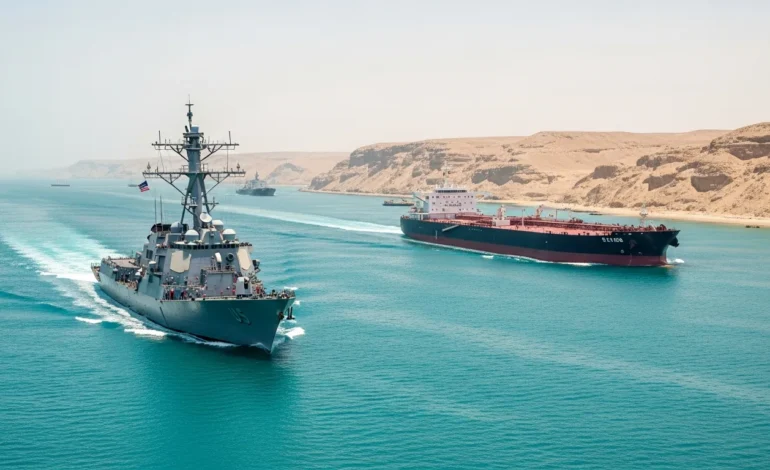
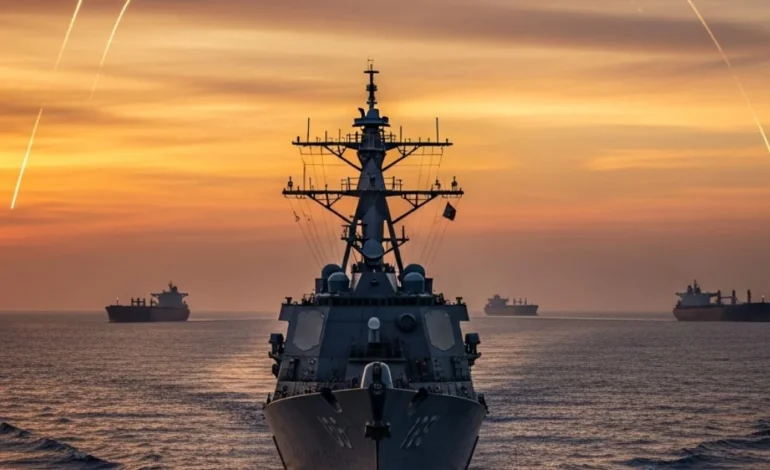
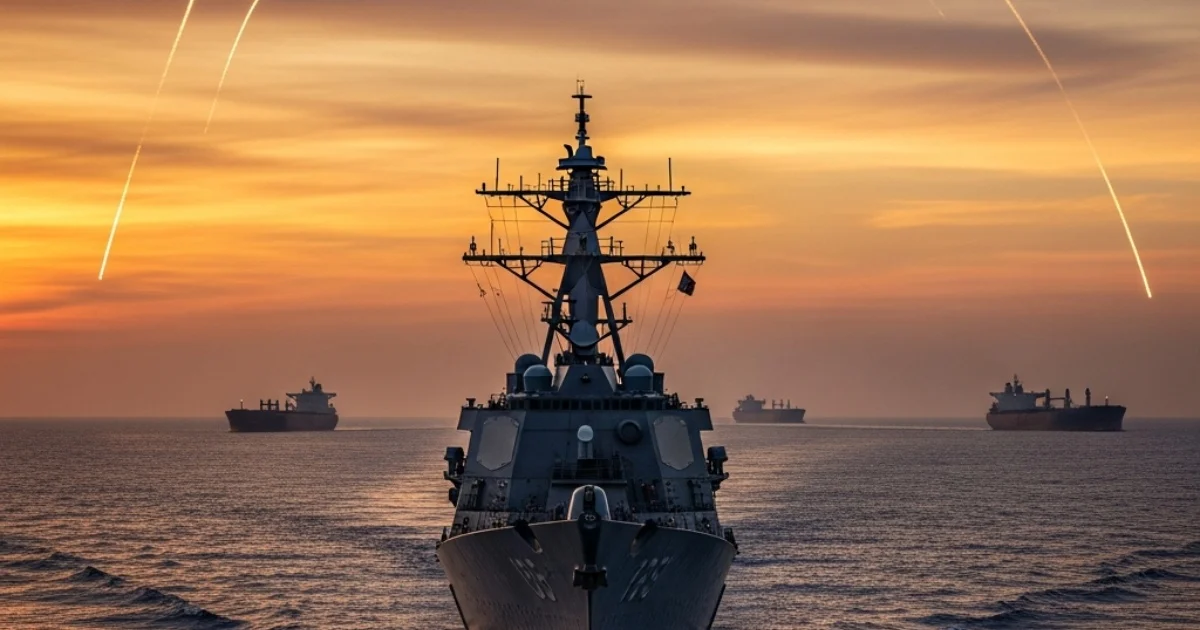
WASHINGTON, D.C. — In a major development that could reshape the security landscape of the Middle East, the U.S. Navy has officially launched “Project Freedom” to provide armed escorts for neutral vessels through the Strait of Hormuz.
The U.S. Central Command (CENTCOM) announced the commencement of the operation on Tuesday, May 28, 2026. This initiative follows a sharp escalation in maritime hostilities, specifically targeting commercial shipping lanes.
The move comes immediately after reports surfaced of a bulk freighter being attacked by small Iranian craft off the coast of Bandar Sirik. This incident marked a significant shift from harassment to direct kinetic action.
Strategic Deployment in Volatile Waters
Project Freedom aims to ensure the “unimpeded flow of global commerce” in one of the world’s most critical chokepoints. Under the new protocols, U.S. destroyers and littoral combat ships will provide a protective bubble for merchant ships.
Military officials stated that neutral vessels—those not flying the flag of a belligerent nation—will be eligible for the escort service upon request. The operation is expected to involve a rotating carrier strike group.
This heightened military presence follows a pattern of strengthening global alliances as the U.S. seeks to stabilize multiple theaters of potential conflict.
Countering Iranian Provocations
The attack near Bandar Sirik involved multiple fast-attack craft allegedly belonging to the Islamic Revolutionary Guard Corps (IRGC). Witnesses reported the use of small arms fire and rocket-propelled grenades against the freighter.
While no fatalities were reported in that specific encounter, the damage to the vessel was sufficient to stall transit. CENTCOM officials warned that such “unprofessional and unsafe” behavior will no longer go unanswered.
Naval experts suggest that Project Freedom is a direct deterrent to prevent a total blockade of the Strait. Approximately one-fifth of the world’s liquid petroleum passes through this narrow waterway daily.
Geopolitical Implications
The deployment of U.S. assets to the region occurs as the West faces a broader geopolitical pivot for the West, with shifting leadership in Europe and ongoing tensions in Eastern Europe.
Tehran has yet to issue a formal response to the launch of Project Freedom. However, state-run media in Iran has previously characterized U.S. naval presence in the Gulf as “provocative” and “imperialist.”
Pentagon officials emphasized that the mission is defensive in nature. They noted that the U.S. is not seeking a direct conflict but will defend the principle of freedom of navigation.
Protecting the Global Supply Chain
The insurance industry has already reacted to the news, with maritime premiums for the Persian Gulf expected to stabilize or decrease following the U.S. intervention. Shipping conglomerates have praised the move, noting that the threat of seizure or damage has paralyzed regional logistics for weeks.
“The safety of our crews and the integrity of global trade are paramount,” said a spokesperson for a major international shipping line. “Project Freedom provides the necessary assurance to continue operations.”
The U.S. Navy has not specified an end date for the operation. Commanders indicated that the mission will remain active as long as the threat to neutral shipping persists.
Frequently Asked Questions
What is Project Freedom?
Project Freedom is a U.S. Navy operation led by Central Command to provide armed escorts for neutral commercial vessels transiting the Strait of Hormuz to protect them from Iranian attacks.
Why was the operation launched now?
The mission was triggered by an increase in Iranian aggression, including a recent attack on a bulk freighter by small Iranian craft off the coast of Bandar Sirik on May 28, 2026.
Which ships are eligible for U.S. escorts?
Neutral vessels from any nation that is not involved in a direct conflict can request protection under the Project Freedom protocols to ensure safe passage through the Strait.
How does this affect global oil prices?
By securing the Strait of Hormuz, which handles 20% of the world’s petroleum, the U.S. aims to prevent supply shocks that could lead to a spike in global energy costs.