Georgia Heat Crisis: Activists Demand Emergency Safety Mandates Amid Record Temperatures
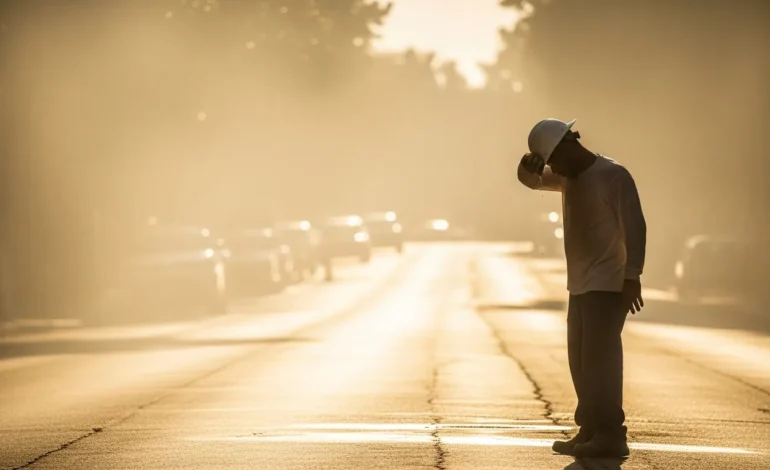
ATLANTA — In a major development that could reshape the American landscape, environmental justice advocates converged on Atlanta City Hall today, demanding immediate municipal intervention as record-shattering temperatures grip the region.
The demonstration follows a week of unprecedented heat across Georgia, where mercury levels have consistently bypassed historical norms for late May. Organizers from several local coalitions highlighted a stark disparity in how the extreme weather affects residents, noting that Black and Latino neighborhoods face significantly higher risks.
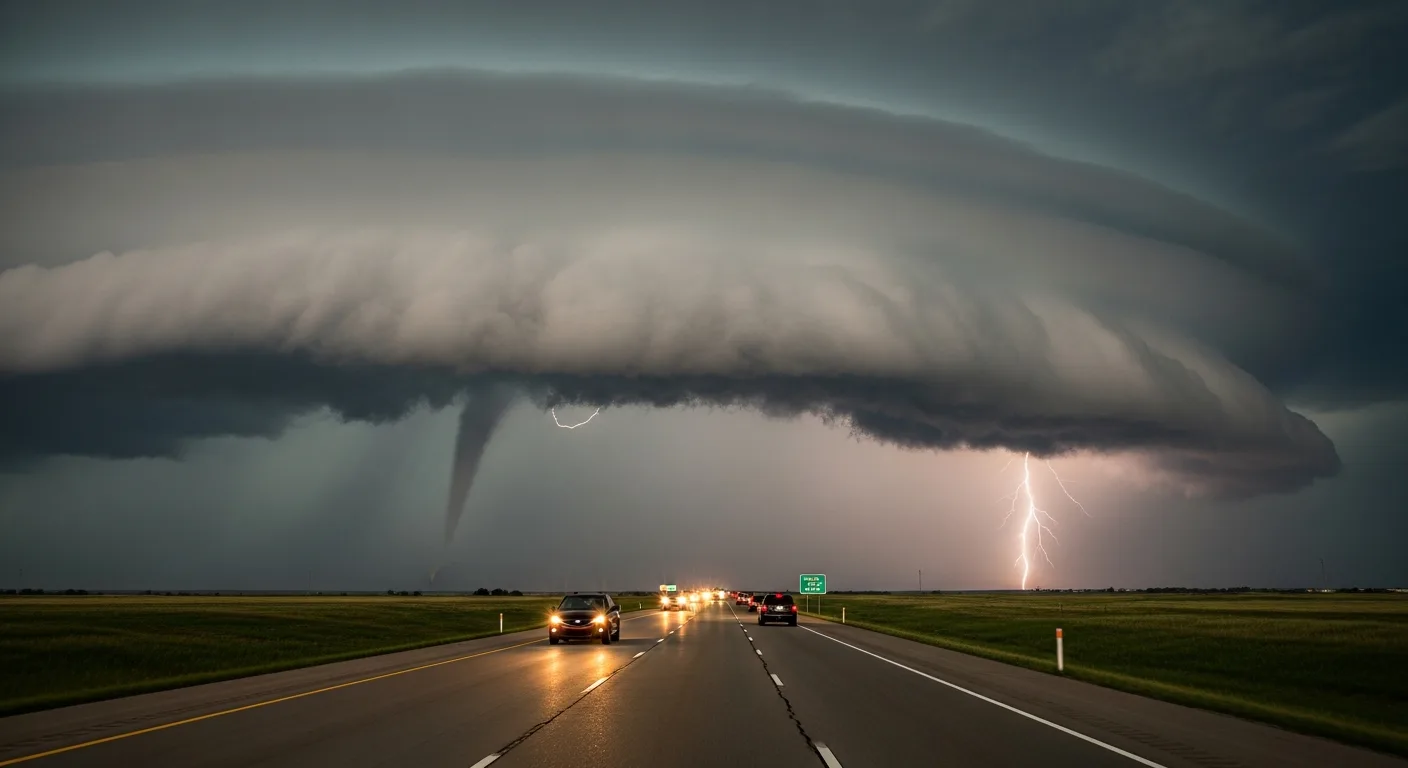
The coalition is calling for the implementation of mandatory cooling centers, improved workplace safety standards for outdoor laborers, and utility shut-off protections during peak heat events. The urgency of the situation is underscored by a severe weather outlook impacting the central U.S., which suggests a volatile and dangerous start to the summer season across the southern corridor.
The Rising Toll of Environmental Inequity
Advocates at the rally presented data indicating that historically marginalized neighborhoods in Atlanta often experience temperatures several degrees higher than wealthier, leafier suburbs. This phenomenon, known as the urban heat island effect, is exacerbated by a lack of tree canopy and a high density of heat-absorbing asphalt and concrete.
“Heat is not a neutral threat; it is a systemic one,” stated one organizer during the press conference. The group argued that without immediate legislative action, the mortality rate among vulnerable populations will continue to climb as climate patterns become more erratic.
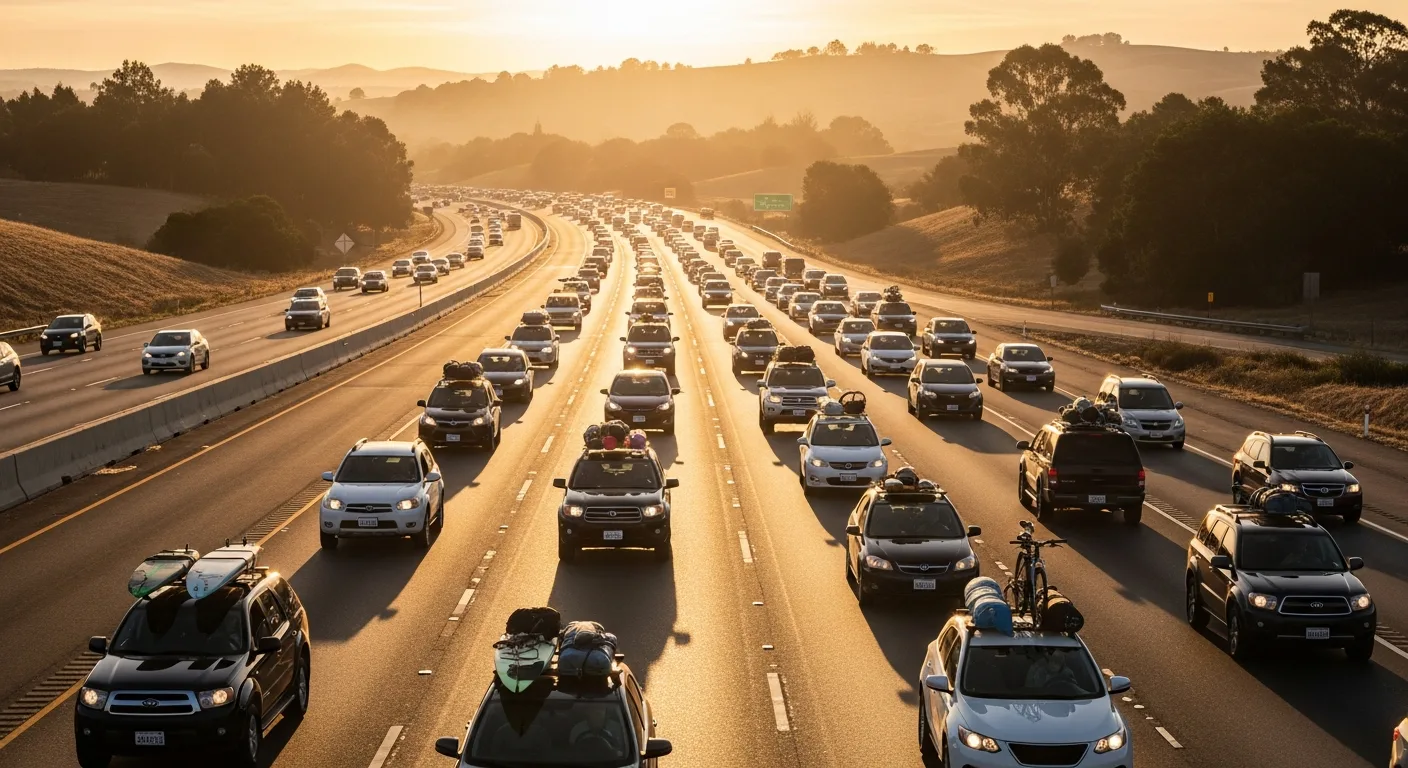
The surge in temperatures arrives just as a record-breaking national travel surge puts millions of Americans on the road for the holiday weekend, further straining local infrastructure and emergency response teams.
Specific Demands for Legislative Action
The proposed safety package includes a “Right to Cool” ordinance, which would require landlords to provide adequate cooling systems in rental units, similar to existing heat requirements in colder climates. Furthermore, the advocates are pushing for the Georgia General Assembly to codify maximum temperature thresholds for outdoor work.
Current federal guidelines from the Occupational Safety and Health Administration (OSHA) provide recommendations, but activists argue that without state-level enforcement, laborers in construction and agriculture remain at lethal risk. The proposed measures would mandate water breaks, shade, and rest periods whenever the heat index exceeds 90 degrees Fahrenheit.
City officials have yet to issue a formal response to the specific demands. However, a spokesperson for the Mayor’s office indicated that the city is currently evaluating its emergency heat response protocols for the upcoming summer months.
A Growing Public Health Crisis
Medical professionals joining the advocates warned that heat-related illnesses are often underreported. They noted that heat stress can exacerbate underlying conditions such as cardiovascular disease and respiratory issues, leading to a surge in hospital admissions.
The coalition emphasized that the financial burden of cooling homes often forces low-income families to choose between electricity bills and basic necessities. They are demanding an expansion of the Low Income Home Energy Assistance Program (LIHEAP) to cover summer cooling costs more robustly.
As the sun set over Atlanta today, the message from the steps of City Hall was clear: the status quo is no longer survivable. The advocates vowed to continue their pressure on local and state leaders until comprehensive heat protections are signed into law.
Frequently Asked Questions
What are the primary demands of the Georgia heat advocates?
Advocates are calling for mandatory cooling centers, a “Right to Cool” ordinance for rental properties, and strict workplace safety standards for outdoor laborers, including mandatory water and rest breaks.
Why does extreme heat disproportionately affect minority neighborhoods?
Due to historical urban planning and a lack of investment, many Black and Latino neighborhoods suffer from the “urban heat island” effect, characterized by fewer trees and more heat-absorbing surfaces like asphalt.
Are there existing federal protections for heat safety?
While OSHA provides guidelines for workplace heat safety, there is currently no federal law that mandates specific temperature thresholds or required breaks for outdoor workers, leaving much of the regulation to individual states.
What is the ‘urban heat island’ effect?
This occurs when urban areas experience much higher temperatures than outlying areas because buildings, roads, and other infrastructure absorb and re-emit the sun’s heat more than natural landscapes such as forests or water bodies.
How can residents protect themselves during a heat wave?
Health officials recommend staying hydrated, avoiding outdoor activities during peak sun hours (10 a.m. to 4 p.m.), and seeking air-conditioned environments. If home cooling is unavailable, residents are encouraged to visit public libraries or designated cooling centers.