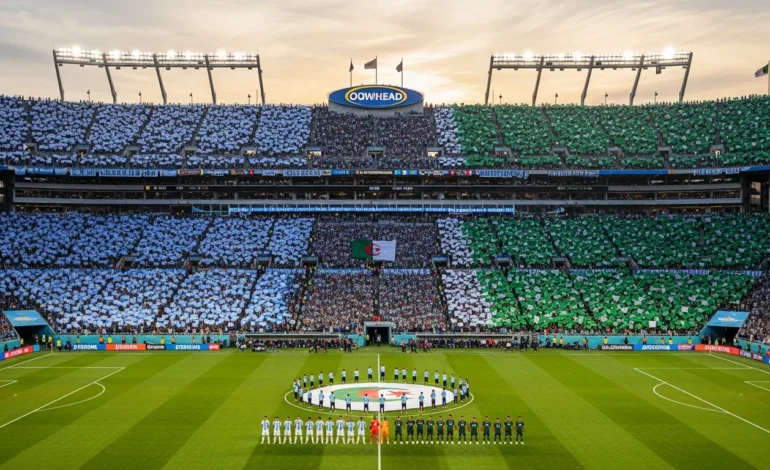
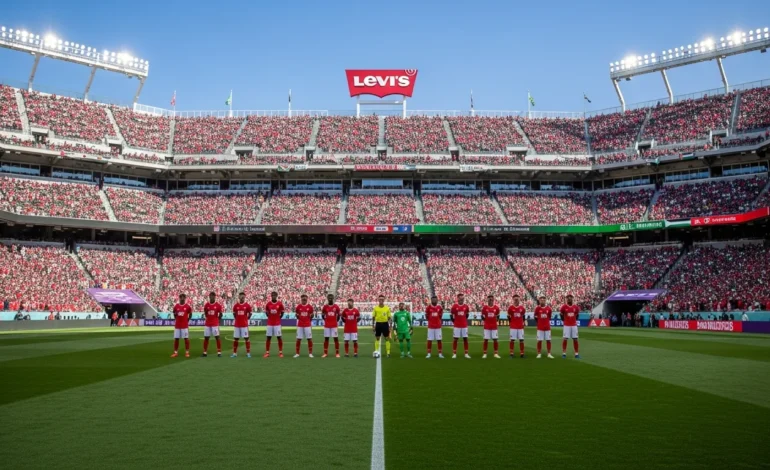
FIFA’s $11 Billion Revenue Cycle Faces High-Stakes Test as Iraq and Norway Debut in Foxborough
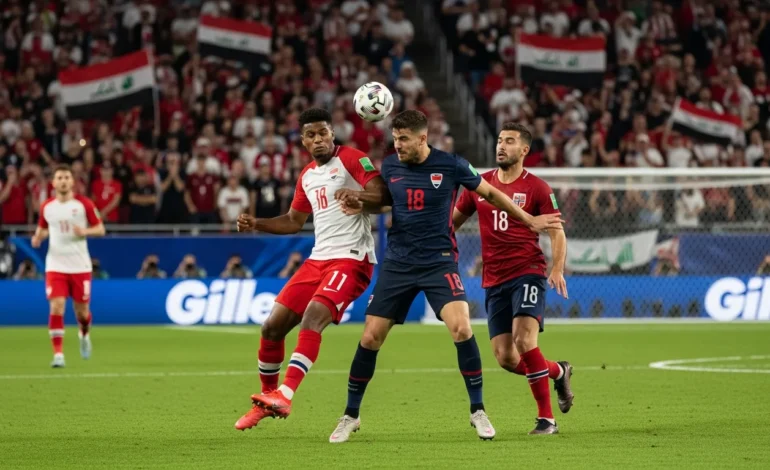
FIFA’s projected commercial revenue for the 2023-2026 cycle reached a record $11 billion, representing a 46% increase over the previous four-year period. This capital surge is being tested today as Gillette Stadium in Foxborough, Massachusetts, hosts Norway and Iraq in a Group Stage match that highlights the fiscal logic behind the tournament’s 48-team expansion.
Kickoff is scheduled for 3:00 p.m. local time (6:00 p.m. ET), marking the second match of three in the Group Stage for both nations. The event serves as a primary indicator of how the expanded format monetizes previously underserved international markets while leveraging the first U.S.-hosted World Cup since 1994.
Expansion Economics and Broadcast Reach
The transition to a 48-team format has increased the total number of matches to 104, providing a massive inventory boost for global media partners. FOX Sports 1 and Telemundo are leveraging this specific matchup to capture high engagement from the New England area’s significant Iraqi diaspora and global interest in Norwegian striker Erling Haaland.
Norway’s return to the World Cup stage after missing several previous iterations provides a lucrative entry point for European sponsors targeting high-discretionary-income Scandinavian demographics. Meanwhile, Iraq’s qualification through the Asian Football Confederation (AFC) secures high-volume viewership across the Middle East, a region critical to FIFA’s long-term commercial strategy.
Security Infrastructure and Regional Market Integration
Gillette Stadium has implemented advanced facial recognition and biometric screening at all gates to manage the influx of spectators. These systems represent a burgeoning sector in the $123 billion global homeland security market, where major sporting events serve as live-fire testing grounds for AI-driven surveillance.
The local Foxborough economy is positioned to capture a portion of the $500 million in regional economic activity projected for the Boston host city. Hospitality and transit sectors are seeing peak demand as fans from across the New England corridor converge for this high-stakes competitive slot.
Related Coverage
- Global fiscal pressures continue to weigh on international fan travel budgets despite record-breaking tournament attendance.
- The rise of soccer in the United States has reached a fever pitch, as detailed in our 2026 American sports market analysis.
Frequently Asked Questions
What is the total capacity of Gillette Stadium for the 2026 World Cup?
While the stadium usually seats approximately 65,000, FIFA configurations for media and hospitality suites typically adjust the effective capacity for international tournament play.
How does the 48-team format change the qualification process?
The expansion added 16 additional slots, specifically increasing the number of guaranteed berths for the AFC and UEFA, which allowed nations like Iraq and Norway to secure spots through more competitive pathways.
What are the primary security protocols for fans at the stadium?
In addition to facial recognition at the gates, the venue utilizes advanced screening technology and real-time AI monitoring to comply with FIFA’s updated safety mandates for the 2026 cycle.