What is the Most Famous Sport in the USA? A 2026 Comprehensive Analysis
The Hierarchy of American Athletics in 2026
As we approach the midpoint of 2026, the landscape of American sports is experiencing a profound transformation. While tradition remains a cornerstone of the national identity, shifting demographics and the digital revolution have altered how fans consume and prioritize their favorite pastimes. Determining the “most famous” sport requires looking beyond simple attendance numbers; it necessitates an analysis of television ratings, cultural impact, and the sheer volume of social discourse. Today, sports serve as a primary social glue, particularly during holiday weekends like Memorial Day, where millions of Americans gather to celebrate both heritage and competition.
In 2026, the conversation is dominated by the upcoming FIFA World Cup, hosted across North America, which has propelled soccer into a new tier of public consciousness. However, the established giants of the American gridiron and hardwood continue to hold significant sway over the national psyche. To understand which sport truly wears the crown, we must examine the intersection of legacy, revenue, and the evolving habits of the modern American spectator.
The NFL: America’s Undisputed Ratings Juggernaut
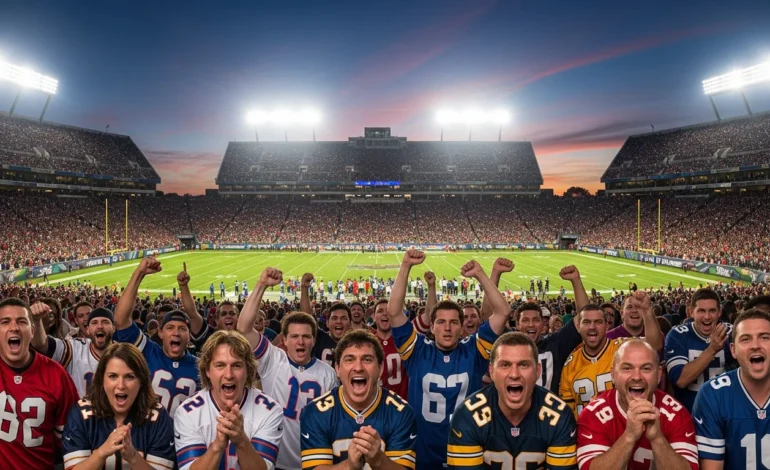
Despite the rise of competing interests, American Football—specifically the NFL—remains the most famous and most-watched sport in the United States. In the 2025-2026 season, the league saw record-breaking viewership, with regular-season games consistently outperforming every other form of entertainment on television. The Super Bowl remains the single largest cultural event in the country, functioning as a de facto national holiday that transcends the sport itself. The NFL’s ability to maintain this dominance is rooted in its scarcity; with only 17 regular-season games, every match feels like a high-stakes event.
The league has also mastered the art of year-round engagement. From the NFL Draft in April to the intensive training camps in July, the “shield” stays relevant through expert marketing and a sophisticated digital presence. In 2026, the integration of advanced biometric data into broadcasts has further captivated a tech-savvy audience. Whether it is a small-town high school game on a Friday night or a professional showdown on Sunday, football is deeply woven into the American fabric. This cultural saturation is often reflected in public ceremonies, such as when stadiums observe protocols by understanding why flags are at half-mast today during moments of national remembrance.
Basketball: The Global Cultural Powerhouse
If the NFL owns the domestic television ratings, the NBA owns the cultural conversation. Basketball has solidified its position as the most famous sport among younger demographics (Gen Z and Gen Alpha) due to its emphasis on individual stardom and its seamless integration with fashion, music, and social media. The 2026 season has been particularly explosive, highlighted by the Dallas Mavericks’ recent postseason heroics, which showcased the league’s deep pool of international talent. This global appeal makes basketball the most recognizable American export in the sporting world.
The NBA’s success is also driven by its accessibility. Unlike football, which requires significant equipment and a large field, basketball can be played with a single hoop and a ball, leading to high participation rates in urban and suburban areas alike. The league’s proactive stance on social issues and its players’ roles as global influencers have given the sport a level of prestige that extends far beyond the court. In 2026, the NBA’s streaming-first broadcast strategy has successfully captured the “cord-cutting” generation, ensuring its long-term viability as a premier entertainment product.
The 2026 Soccer Surge: A World Cup Catalyst
Soccer is currently the fastest-growing sport in the United States, and in May 2026, it is reaching a fever pitch. With the FIFA World Cup set to kick off on North American soil in just a few weeks, the sport has moved from a niche interest to a mainstream obsession. Major League Soccer (MLS) has seen a massive influx of investment and talent, following the “Messi effect” that began several years ago. This has led to a surge in stadium construction and a significant increase in youth participation, with soccer now rivaling basketball for the most played sport among American children.
The rise of soccer is not just about the professional leagues; it is about a fundamental shift in consumer trends and corporate shifts within the sports retail market. Major brands are pivoting their marketing budgets toward soccer as they recognize the diverse, young, and affluent fan base the sport attracts. While it may not yet surpass the NFL in total viewership, soccer’s trajectory suggests it will be a dominant force in the American sports hierarchy for decades to come.
Baseball: The Resilient Pastime
Often called “America’s Pastime,” Major League Baseball (MLB) has undergone a successful revitalization. By 2026, the rule changes implemented earlier in the decade—such as the pitch clock and larger bases—have successfully shortened game times and increased on-field action. These adjustments have brought younger fans back to the ballpark, leading to the highest attendance figures seen in twenty years. Baseball remains the most famous sport for local engagement; with 162 games a year, it provides the consistent “background noise” of the American summer.
- Regional Dominance: Baseball remains a powerhouse in local markets, often outperforming all other programming on regional sports networks.
- Youth Tradition: Little League Baseball continues to be a rite of passage for millions of American families.
- Historical Significance: The sport’s deep history and connection to American mythology ensure it remains a vital part of the cultural landscape.
Frequently Asked Questions
Which sport has the highest participation rate in the USA in 2026?
In 2026, basketball and soccer share the top spot for participation. Basketball remains the most played sport overall due to the prevalence of indoor and outdoor courts in schools and parks. However, soccer has seen the most significant growth in organized youth leagues, driven by the excitement of the 2026 World Cup and the continued expansion of youth academy programs across the country.
Is the NHL considered one of the ‘Big Four’ sports in 2026?
Yes, the National Hockey League (NHL) remains firmly entrenched as one of the ‘Big Four’ professional sports leagues in the United States. While its national television ratings are generally lower than the NFL, NBA, and MLB, it boasts some of the most loyal and affluent fans in sports. In 2026, the NHL has seen significant growth in non-traditional markets like Seattle, Las Vegas, and Utah, proving its expanding geographic appeal.
How has the 2026 World Cup impacted American sports culture?
The 2026 World Cup has acted as a massive accelerant for soccer’s popularity. It has led to unprecedented infrastructure investment, including new training facilities and stadium upgrades. More importantly, it has forced mainstream American media to provide 24/7 coverage of the sport, effectively normalizing soccer as a “major” American sport alongside football and baseball in the eyes of the general public.
What is the fastest-growing spectator sport in America?
While soccer is the fastest-growing team sport, Formula 1 and professional pickleball have seen the most explosive growth in viewership percentages over the last few years. Formula 1, in particular, has leveraged high-production digital content to capture a premium American audience, with multiple domestic races now serving as major celebrity and sporting milestones on the annual calendar.
Why does the NFL remain more popular than the NBA in the US?
The NFL’s popularity is driven by its “event-based” nature. Because games are played once a week, each matchup carries immense weight, making it easier for fans to follow and more lucrative for broadcasters. Additionally, football has a deep-rooted connection to the American education system, from high school “Friday Night Lights” to massive Saturday college football traditions, creating a lifelong pipeline of fandom that is difficult to replicate.