Bolivian Sovereign Bonds Tumble as 90-Day Emergency Paralyzes South American Trade Hub
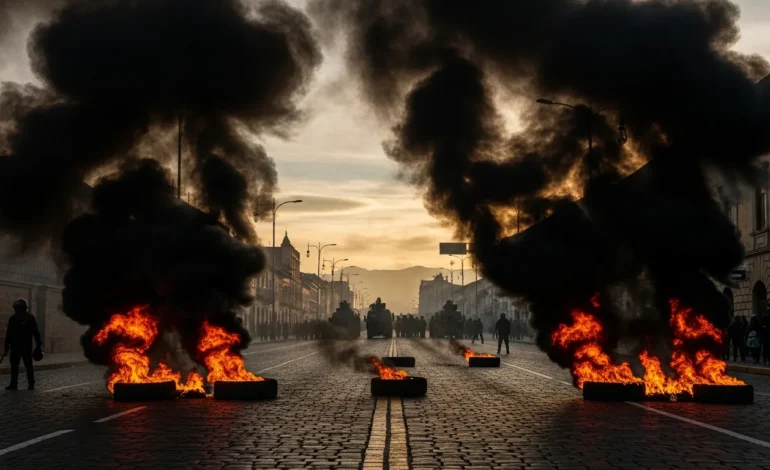
Bolivian sovereign bonds dropped 4.2 percent in early trading following President Rodrigo Paz’s declaration of a 90-day state of emergency to combat paralyzing national blockades. The decree, issued on Friday, June 19, 2026, remains in full effect as of Sunday as military units begin clearing highway bottlenecks that have cost the economy an estimated $50 million per day.
The emergency was triggered by a months-long standoff with a coalition of labor unions, coca farmers, and indigenous groups opposing a strict fiscal austerity package. Protesters are demanding the reinstatement of fuel subsidies and the repeal of land reforms that the Paz administration argues are necessary to narrow a widening budget deficit.
Groups aligned with former President Evo Morales’ Movement for Socialism (MAS) have concentrated their resistance in rural strongholds, effectively severing transit between major agricultural and industrial centers. These blockades have caused severe food and fuel shortages in La Paz and Santa Cruz, forcing the government to authorize military intervention to restore supply lines.
Washington Increases Logistics Support for Paz Administration
U.S. Secretary of State Marco Rubio announced Sunday that the United States is increasing logistics support and emergency assistance to the Paz administration to mitigate the humanitarian impact of the shortages. Secretary of Defense Pete Hegseth added that “the United States is watching” the situation, characterizing the unrest as an attempt to destabilize the democratically elected government.
President Paz, who won the 2025 general election to end two decades of MAS rule, has leaned heavily on international backing as he attempts to implement IMF-aligned structural reforms. While the Bolivian Workers’ Confederation (COB) recently reached a tentative agreement with the government, more radical factions in the rural interior continue to reject the deal.
Lithium Supply Chains Face Prolonged Disruption
The 90-day emergency specifically targets the “Lithium Triangle” transit routes, where blockades have halted the movement of critical minerals destined for global battery markets. Analysts suggest that if the military fails to secure these corridors within the next 14 days, global spot prices for lithium carbonate could see a significant spike due to the supply bottleneck.
The conflict represents a high-stakes test for the Paz administration’s ability to manage the social costs of economic shock therapy. With the military now empowered to curb the right to protest, the risk of escalation remains high in the Chapare and Altiplano regions where pro-Morales sentiment remains dominant.
Related Coverage
- Emerging Market Fractures Amid Global Monetary Shifts
- Crude Oil Market Volatility and Global Energy Shifts
Frequently Asked Questions
What specific powers does the 90-day state of emergency grant the military?
The decree allows the Bolivian Armed Forces to clear roadblocks by force, restricts the constitutional right to assembly and protest, and permits the military to support police in domestic order operations.
Why are fuel subsidies the primary trigger for the protests?
The Paz administration eliminated long-standing fuel subsidies to reduce the national deficit, causing transport costs to surge by nearly 90 percent and driving up the price of basic consumer goods.
How has the Bolivian Legislative Assembly responded to the decree?
As of June 21, 2026, the Legislative Assembly has backed the state of emergency, providing a legal framework for the executive branch to deploy military assets to end the 50-day social crisis.