Why Does My Car Smell Like Gas?
Immediate Safety Protocols for Gasoline Odors
A persistent smell of raw gasoline in or around your vehicle is a critical safety hazard that requires immediate attention. If the odor is strong while driving, pull over to a safe location, turn off the engine, and exit the vehicle. Do not smoke, use lighters, or operate electronic devices near the car, as gasoline vapors are highly flammable and can ignite with a single spark. Given that gas prices are surging in June 2026, a leak is not only a safety risk but also a significant financial drain.
Identifying the Source of the Gasoline Smell
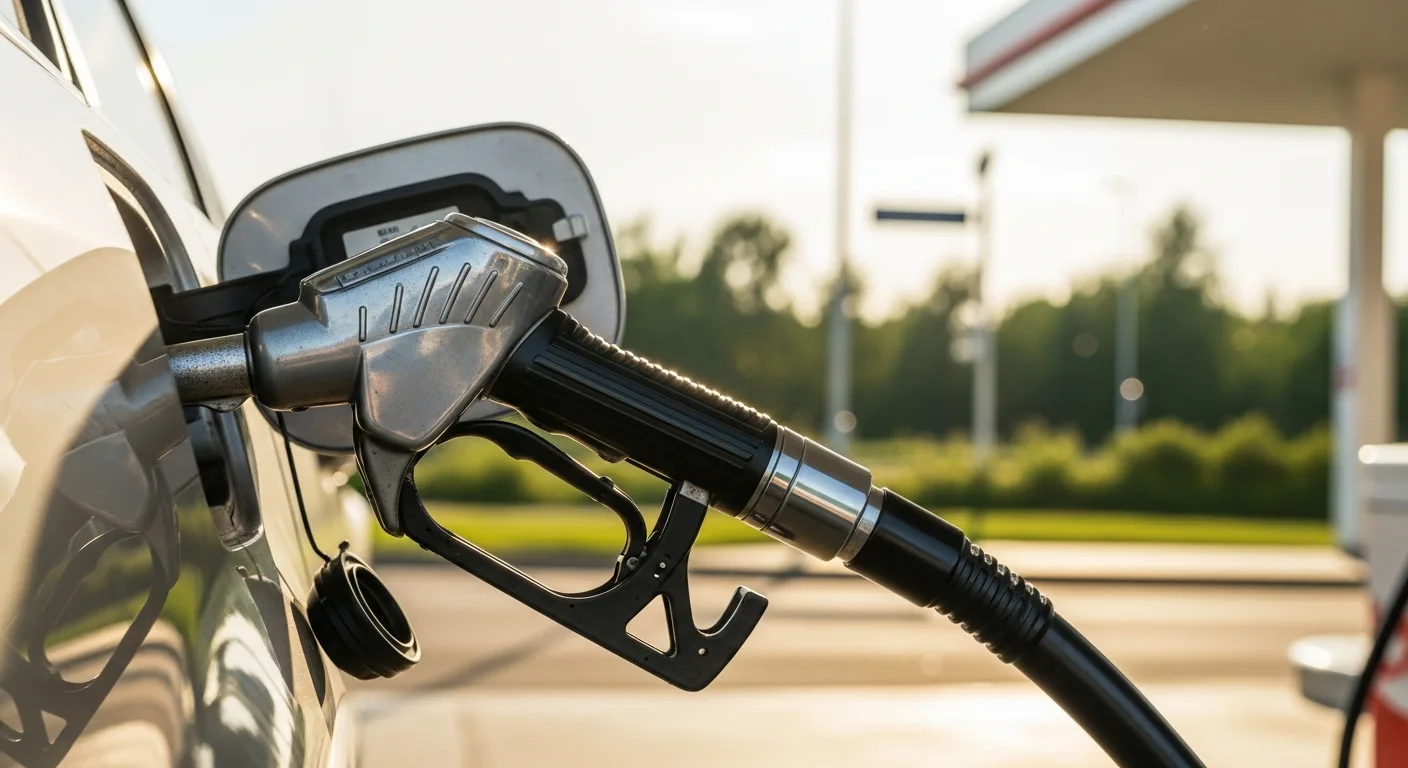
The first step in diagnosis is determining when the smell occurs. If the odor is strongest immediately after refueling, the issue likely resides in the gas cap seal or the fuel filler neck. A faint smell that disappears after the engine warms up may indicate a rich fuel mixture, which is common in older vehicles but rare in post-2020 models equipped with advanced sensors. If the smell is constant, you are likely dealing with a pressurized leak in the fuel lines or a failure in the Evaporative Emission Control (EVAP) system.
Common Mechanical Causes and 2026 Repair Costs
Several mechanical failures can lead to gasoline odors, ranging from simple seals to complex delivery systems. Modern 2026 diagnostic standards require a smoke test to identify micro-leaks in the EVAP system, which typically costs between $120 and $180. Common culprits include:
- Damaged Fuel Lines: Rubber hoses can degrade or be punctured by road debris. Replacement costs range from $200 to $500 depending on the length of the line.
- Faulty Fuel Injectors: Worn O-rings on the injectors can allow raw fuel to seep onto the hot engine block. Replacing O-rings is relatively inexpensive ($150-$300), but replacing the injectors themselves can exceed $800.
- Charcoal Canister Failure: This component absorbs excess fuel vapors. If it cracks or becomes saturated, it will emit a heavy gas smell near the rear of the vehicle.
Step-by-Step Diagnostic Procedure
Follow these steps to narrow down the cause before visiting a certified mechanic. If you use your vehicle for professional purposes, ensure you track these maintenance events, as they may impact your records regarding the federal mileage rate and business expense deductions.
- Inspect the Gas Cap: Ensure the cap is tightened to at least three clicks. Check the rubber gasket for cracks or deformities.
- Check for Puddles: Look under the vehicle after it has been parked for at least 30 minutes. Gasoline evaporates quickly, so look for “wet” spots on the pavement or stains on the fuel tank.
- Scan for OBD-II Codes: Use a diagnostic scanner to check for codes P0440 through P0457. These codes specifically indicate leaks or malfunctions within the EVAP system.
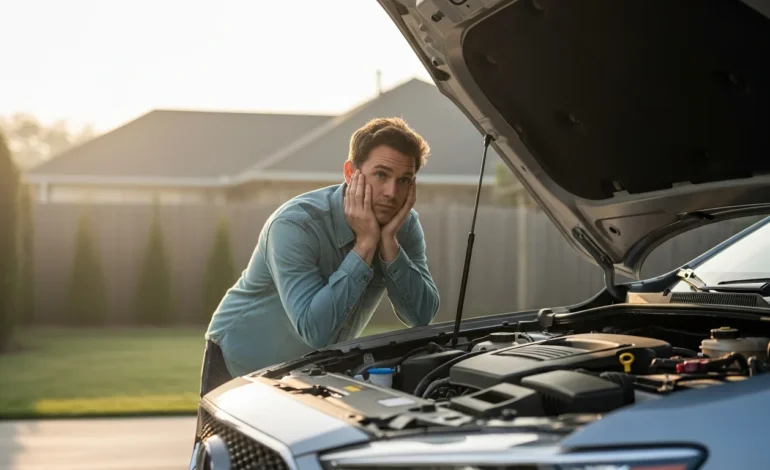
- Visual Engine Inspection: Open the hood with the engine off and look for dampness around the fuel rail and injectors.
Exceptions and What is NOT Allowed
Under 2026 EPA and Department of Transportation (DOT) regulations, it is illegal to operate a vehicle on public roads if it has a known active fuel leak. You cannot pass a state emissions inspection (smog check) if the Check Engine light is on due to an EVAP failure. Furthermore, DIY repairs on high-pressure fuel rails in Gasoline Direct Injection (GDI) engines are strongly discouraged for non-professionals. These systems operate at pressures exceeding 2,000 PSI, and improper disassembly can cause severe physical injury or permanent engine damage. Most commercial insurance policies will also deny claims for fire damage if it is proven the owner knowingly operated the vehicle with a fuel leak.
Frequently Asked Questions
Is it safe to drive my car if I smell gas?
No, it is not safe to drive a vehicle that smells of raw gasoline. Gasoline has a low flash point, meaning it can ignite easily at ambient temperatures. A leak dripping onto a hot exhaust manifold or a spark from the alternator can cause a vehicle fire within seconds. If the smell is strong, have the vehicle towed to a repair facility rather than attempting to drive it.
Can a bad spark plug cause a gas smell?
Yes, indirectly. If a spark plug is fouled or failing, it can cause a cylinder misfire. This prevents the fuel in that cylinder from combusting properly. The unburned raw gasoline is then pushed out through the exhaust system, creating a strong smell of gas from the tailpipe. This is usually accompanied by a rough idle, reduced power, and a flashing Check Engine light.
How much does it cost to fix a fuel leak in 2026?
Repair costs vary significantly based on the location of the leak. A simple gas cap replacement costs $20 to $50. Repairing a leaking fuel line typically costs between $200 and $500. However, if the fuel tank itself is rusted or punctured, replacement costs can range from $800 to $1,500, including labor and the disposal of old fuel according to environmental safety standards.
Why does my car only smell like gas in the morning?
This is often due to “cold soak” leaks. When temperatures drop overnight, rubber seals and fuel lines contract. If a seal is worn, this contraction creates a small gap that allows fuel to seep out. Once the engine starts and the components heat up, the material expands and reseals the leak, causing the smell to dissipate. This is a warning sign that a component is nearing total failure.
Does overfilling the gas tank cause a smell?
Yes, “topping off” your tank after the nozzle clicks off can force liquid gasoline into the charcoal canister, which is designed only to handle vapors. This saturates the EVAP system and can cause a heavy gasoline odor inside the cabin and around the rear wheel well. In many cases, this requires the replacement of the charcoal canister to resolve the odor and clear associated error codes.