Atlanta Hospitality Sector Hits 94 Percent Occupancy as Juneteenth Festival and World Cup Converge
Atlanta’s hospitality sector reported a 94 percent downtown occupancy rate this weekend as the city’s official Juneteenth celebration coincided with high-stakes FIFA World Cup group stage matches. The convergence of these events generated an estimated $120 million in local consumer spending over the three-day period, according to preliminary municipal data.
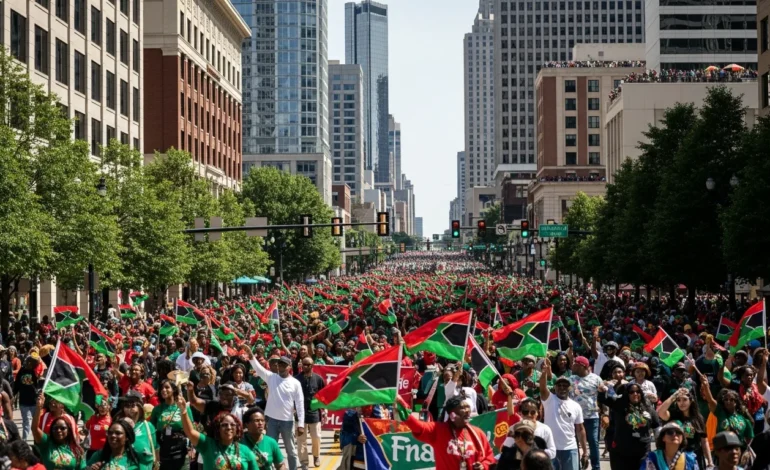
The 14th annual Juneteenth Atlanta Parade & Music Festival concluded its final day on June 21, 2026, following record-breaking attendance figures. As the state’s official holiday commemoration, the event integrated cultural heritage with high-volume retail activity across Piedmont Park and the downtown corridor.
Infrastructure and Security Scaling for Dual-Event Pressure
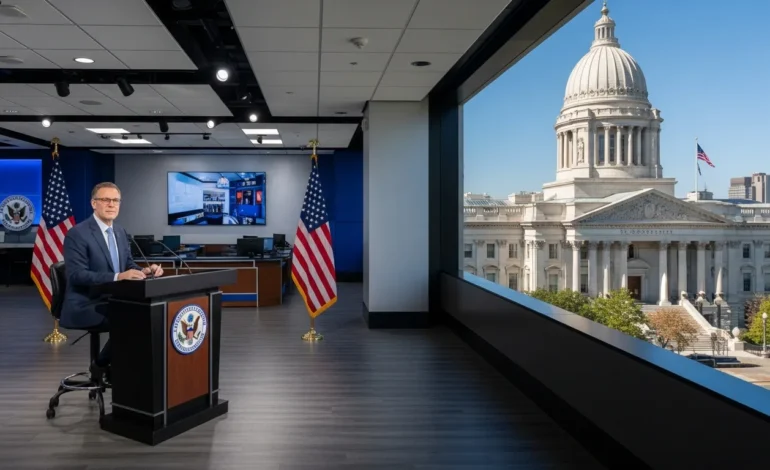
The Atlanta Joint Operations Center coordinated a multi-agency security framework to manage the simultaneous crowds of festival-goers and international soccer fans. This infrastructure scaling was necessitated by the Spain vs. Saudi Arabia match at Mercedes-Benz Stadium, which drew over 70,000 additional visitors to the city center on Sunday.
Municipal authorities expanded MARTA transit capacity to handle peak volume, which officials described as the highest transit demand since the city hosted the 1996 Olympics. This logistical feat was supported by increased municipal spending on public safety and digital crowd-monitoring systems.
Commercial Integration and Local Business Gains
Local food vendors and artisanal retailers reported a 30 percent increase in transaction volume compared to the 2025 celebration. Small businesses leveraged the televised Juneteenth Black History Parade as a high-visibility platform for community-based enterprises and regional brands.
Corporate sponsorships from major Atlanta-based firms provided the essential capital for three days of free concerts and cultural workshops. These private-sector investments reflect a growing trend of aligning corporate social responsibility with large-scale heritage events that drive regional tourism.
Historical Reflection and Market Sentiment
The 2026 festival emphasized the economic progress of Black-owned businesses alongside traditional historical reflection on the emancipation of enslaved people. This dual focus has positioned the Atlanta celebration as a premier destination for cultural tourism in the Southeastern United States.
The high-density programming across Piedmont Park demonstrated resilient demand for large-scale, family-oriented summer gatherings despite broader inflationary pressures. Success this year provides a blueprint for how major American cities can leverage cultural holidays to drive sustainable urban growth and community engagement.
Frequently Asked Questions
How did the World Cup impact local hotel pricing during the festival?
Average daily rates for downtown hotels surged to approximately $500 per night, driven by the global influx of soccer fans and Juneteenth tourists. Many properties reached full capacity months in advance of the June 21 Spain vs. Saudi Arabia match.
What was the specific route of the 2026 Juneteenth Black History Parade?
The parade traveled through several historic districts, including Cain Street, Jackson Street, and Highland Avenue, before concluding at the Piedmont Park festival grounds. The televised event featured floats, marching bands, and international dignitaries.
How was security managed across the multiple event sites?
Atlanta utilized a centralized command hub linking local, state, and federal agencies, including the FBI and the Georgia Bureau of Investigation. This allowed for real-time monitoring of pedestrian flow and street activity across both the festival and the World Cup fan zones.