San Francisco Pride 2026: Heat Wave and Security Logistics Challenge Massive Tourism Event
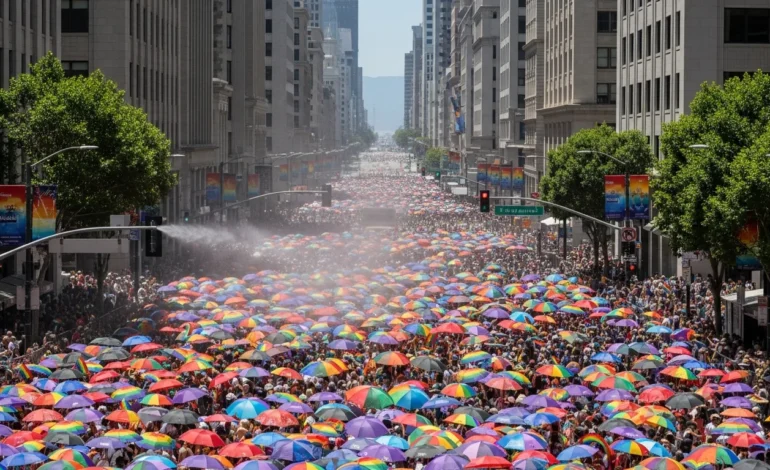
The 56th annual San Francisco Pride Parade commenced on Sunday, June 28, amid a significant heat wave that has forced municipal agencies to recalibrate emergency response protocols across the Western United States. While the event remains a cornerstone of the city’s tourism economy, the record temperatures and heightened security requirements have introduced complex logistical variables for Bay Area officials.
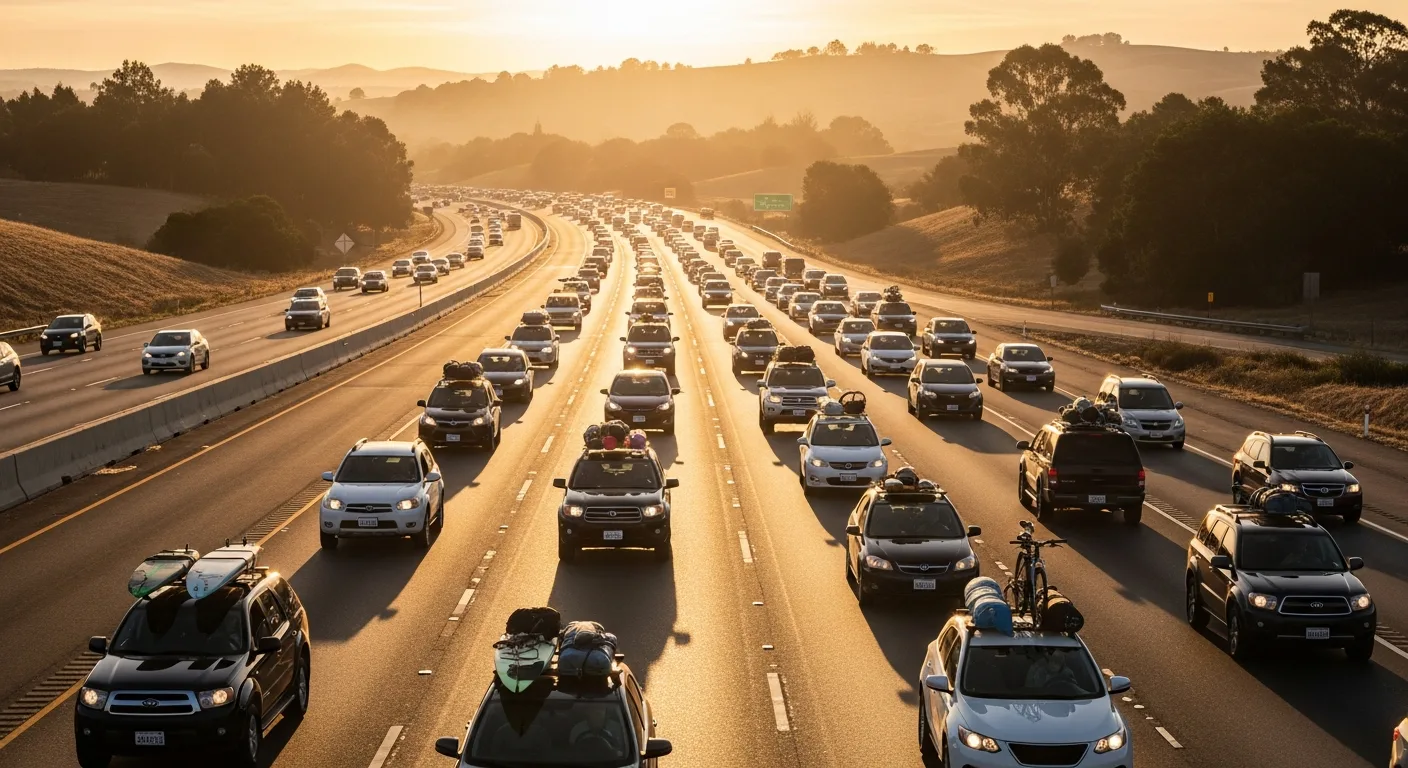
San Francisco Municipal Transportation Agency (SFMTA) issued comprehensive transit updates to manage the influx of visitors arriving for the parade route along Market Street and the Civic Center. These infrastructure adjustments were necessary to support the massive crowd density expected for the festival’s conclusion at Civic Center Plaza.
Climate and Security Pressures on Urban Infrastructure
The 2026 festival coincided with a thermal ridge impacting much of the West, driving up the operational costs for public cooling stations and medical standby teams. This environmental challenge follows a week of heightened national tensions and ‘swatting’ incidents that necessitated a robust, multi-agency security presence throughout the weekend.
Law enforcement officials maintained high-visibility patrols from the FoodieLand Night Market to the ‘Symphony in the Park’ at Golden Gate Park. These security expenditures represent a significant portion of the event’s overhead as the city seeks to protect one of the world’s largest LGBTQ+ celebrations.
Economic Performance and Cultural Programming
Despite the heat, the Pride Weekend featured high-density commercial activations, including the three-day FoodieLand Night Market which concluded on June 28. The ‘Giant Rainbow Laser Light Show’ served as a primary evening attraction, designed to extend visitor stay-times and bolster local hospitality revenue.
- The Golden Gate Park Band provided a cultural anchor with their free ‘Symphony in the Park’ performance.
- CBS News Bay Area broadcasted a two-hour special, ‘Hope, Love, Pride — A Celebration,’ to capture the event’s historical significance.
- Public transit reroutes remained in effect through late Sunday to facilitate the egress of thousands from the Civic Center area.
The economic resilience of the SF Pride brand is increasingly tied to its ability to mitigate climate-related risks during the peak summer travel season. As heat waves become more frequent, the cost of insuring and securing large-scale outdoor assemblies may force a shift in how these global heritage events are scheduled and funded.
Related Coverage
- Georgia Heat Crisis: Activists Demand Emergency Safety Mandates Amid Record Temperatures
- National Travel Surge: Memorial Day Records Expected to Fall as 44 Million Americans Hit the Road
Frequently Asked Questions
How did the 2026 heat wave specifically impact the parade logistics?
The SFMTA and emergency services deployed additional hydration stations and adjusted transit schedules to ensure visitors could access air-conditioned environments and avoid prolonged exposure on Market Street.
What security measures were introduced following recent national tensions?
San Francisco officials implemented enhanced screening at major hubs and increased the presence of plainclothes and uniformed officers to counter potential ‘swatting’ threats and ensure public safety.
What was the historical significance of the 2026 event?
The 2026 parade marked the 56th anniversary of San Francisco Pride, highlighting decades of LGBTQ+ community history in the Bay Area through special broadcast segments and community-led stories.