Brent Crude Retreats to $72 as US-Iran Diplomacy Reopens Hormuz Bottleneck
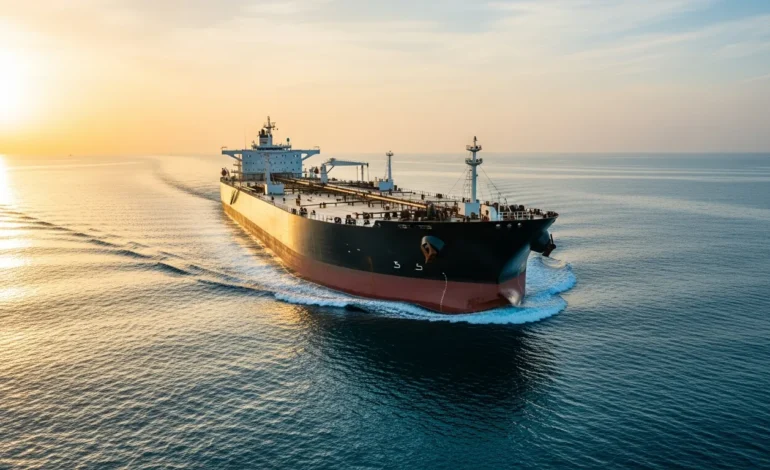
Brent crude oil futures plummeted to approximately $72 per barrel on Monday morning, effectively erasing the geopolitical risk premium that has gripped energy markets since late February. This price floor reflects a sudden market pivot as Washington and Tehran suspend direct hostilities ahead of substantive peace negotiations scheduled to begin Tuesday in Doha, Qatar.
Financial markets are pricing in a rapid resumption of crude flows through the Strait of Hormuz, which had been largely paralyzed by tit-for-tat maritime strikes. The diplomatic breakthrough has triggered a “roundtrip” in pricing, returning the global benchmark to levels not seen since before the regional conflict began on February 28, 2026.
Wall Street Reacts to Easing Supply Constraints
U.S. energy stocks saw a corresponding dip on Monday as the prospect of increased global supply weighed on domestic producer valuations. The ICIS Crude Summary indicates that bearish signals are now dominating the market, as the anticipated influx of Iranian and regional barrels offsets previous fears of a prolonged blockade.
The Houston refining and chemical corridor is monitoring the talks closely to recalibrate production schedules for the second half of the year. While the immediate price drop provides relief to consumers, analysts at major investment banks warn that global base oil markets still face a long recovery period due to skewed inventory levels across the Persian Gulf.
Strategic Reopening of the Strait of Hormuz
The reopening of the Strait serves as the primary catalyst for market recovery, with shipping traffic through the strategic waterway reportedly doubling over the last 24 hours. The following factors are currently driving the market’s bearish momentum:
- The transition of the Brent futures market into contango, where short-term prices sit below longer-dated contracts for the first time in months.
- A significant “invisible overhang” of crude currently held in floating storage that is expected to hit the market as safe passage is guaranteed.
- The proposed removal of the U.S. naval blockade on Iranian ports as part of the broader diplomatic roadmap.
Secretary of State Marco Rubio emphasized that a formal communication strategy for deconfliction has been established to prevent future maritime flare-ups. This mechanism aims to keep the waterway open even if broader political negotiations face temporary setbacks during the 60-day roadmap period.
Frequently Asked Questions
How does the current $72 price compare to the peak of the 2026 crisis?
Crude prices have fallen more than 20% this month from their crisis peaks, which saw West Texas Intermediate (WTI) surge toward $119 per barrel in early March following the initial closure of the Strait.
Will the Doha talks address Iran’s nuclear program?
The current memorandum of understanding serves as a framework to end the maritime war, though officials indicate that nuclear enrichment and weapons development remain separate, high-stakes agenda items for the final settlement.
Are insurance costs for tankers in the Persian Gulf expected to fall immediately?
While the halt in attacks is a positive signal, insurers are likely to maintain higher war-risk premiums until demining operations are completed and safe passage is verified over several weeks of stable traffic.