Dangerous Heat Dome Threatens Record Highs Across Eastern U.S. Ahead of 250th Independence Day

Meteorological projections for Monday, June 29, 2026, place the current Eastern U.S. heat wave in a tier not seen in over a decade—with New York City’s Central Park facing its first 100-degree reading since July 2012. A sprawling high-pressure system is currently locked over the region, driving temperatures into the mid-90s and low 100s from the Midwest to the Northeast.
High humidity levels are exacerbating the conditions, pushing the “feels like” heat index as high as 110°F in several major metropolitan corridors. Public health officials have issued heat advisories for the entire Interstate 95 corridor, covering millions of residents from Virginia to Massachusetts.
Dangerous Humidity and Record-Setting Temperatures
The heat dome is expected to peak by Friday, July 3, which aligns with the start of the holiday weekend. Record highs are currently threatened in Charlotte, Cleveland, Pittsburgh, and Washington, D.C., as the stagnant air mass prevents overnight cooling.
In New York City, the Office of Emergency Management has activated cooling centers across the five boroughs to mitigate the risk of heat-related illnesses. Forecasters indicate that the combination of high dew points and absolute temperature represents a significant threat to vulnerable populations.
Infrastructure Strain and Public Health Advisories
Power grids across the Mid-Atlantic are reporting increased strain as residential and commercial cooling demands reach seasonal peaks. Utility providers in Pennsylvania and Maryland have requested that consumers voluntarily reduce non-essential electricity use during the late afternoon hours.
- Heat index values are projected to remain above 105°F for at least four consecutive days in the Baltimore-Washington area.
- Public transportation systems in some cities are implementing “slow orders” to prevent track buckling caused by extreme thermal expansion.
Health departments are emphasizing the danger of heat exhaustion and heat stroke, particularly for those working outdoors. Officials suggest that the duration of this event is its most dangerous characteristic, as the body has little time to recover from the heat overnight.
Impact on the Semiquincentennial Celebrations
The extreme weather is forcing organizers of the U.S. 250th anniversary celebrations to adjust long-planned outdoor events. Several municipalities have already moved scheduled parades to earlier morning hours or relocated performances to indoor, climate-controlled venues.
This heat wave represents a significant logistical challenge for the Semiquincentennial, as record crowds were expected to gather for the historic milestone. Emergency responders are staging additional hydration stations and medical tents along traditional parade routes to handle the expected increase in heat-related emergencies.
Related Coverage
- Learn about the local response to the emergency heat safety protections being demanded by environmental advocates.
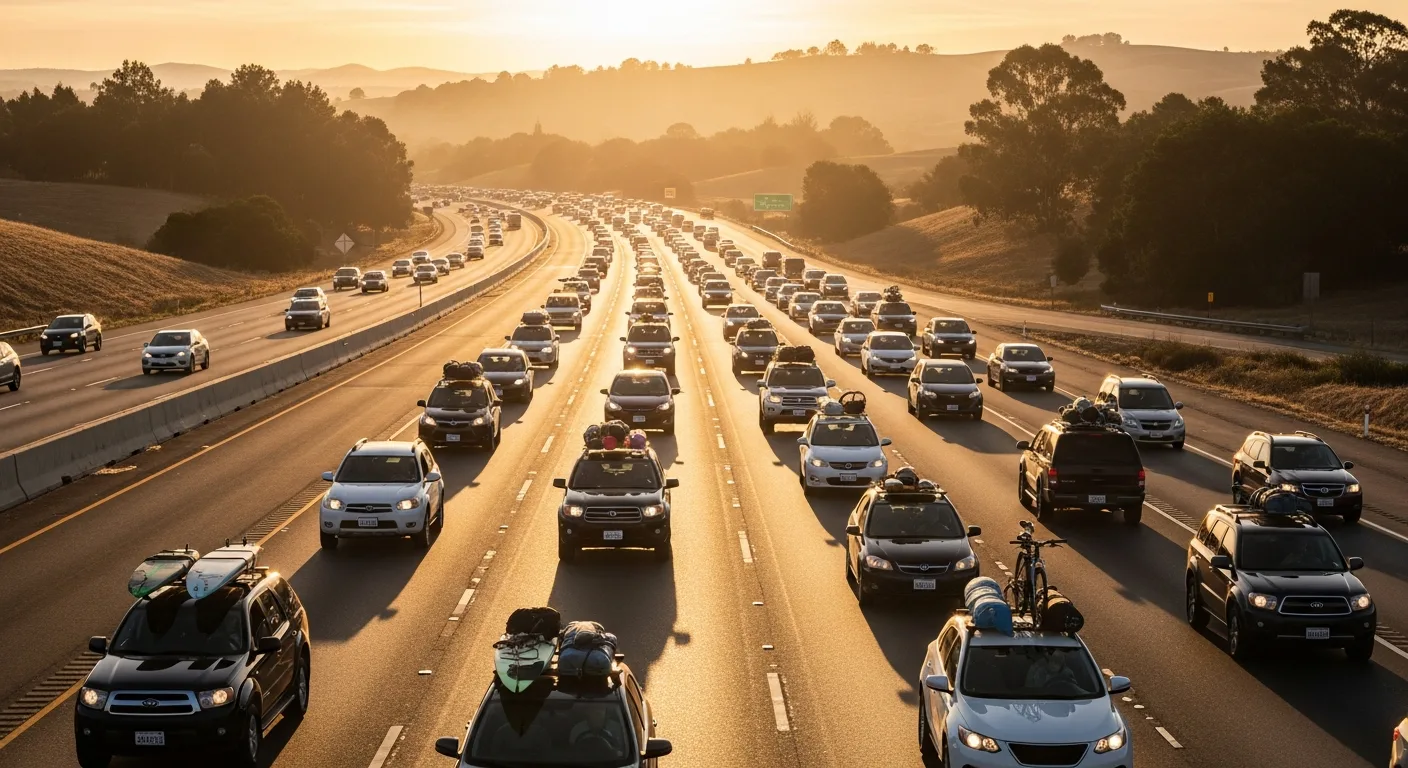
- Review the projections for the summer travel surge as millions hit the road despite the extreme temperatures.
Frequently Asked Questions
What is a heat dome and why is it staying over the East?
A heat dome occurs when a persistent region of high pressure traps hot air over a specific area, acting like a lid on a pot. This specific system is being held in place by a stagnant jet stream pattern that prevents cooler air from moving in from the west.
Are there specific risks for the July 4th fireworks displays?
While fireworks themselves are rarely canceled for heat, the high-pressure system can trap smoke and pollutants near the ground, leading to poor air quality. Spectators are advised to check local air quality indices before attending evening displays.
How does the 110°F heat index differ from the actual temperature?
The heat index measures how the temperature feels to the human body when relative humidity is combined with the air temperature. High humidity slows the evaporation of sweat, which is the body’s primary cooling mechanism, making the environment feel significantly hotter than the thermometer suggests.