U.S. Mission in South Africa Curtails Operations Amidst Nationwide Civil Volatility
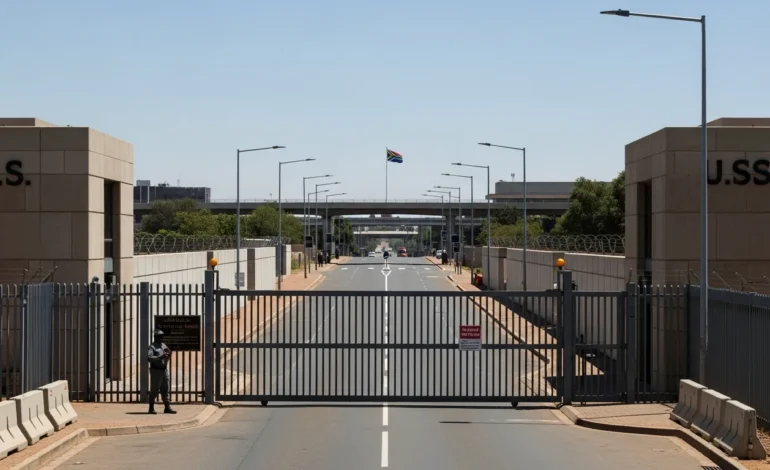
The strategic partnership between Washington and Pretoria has long served as a cornerstone for stability in Southern Africa, yet domestic volatility is now forcing a tactical contraction in the American diplomatic presence. On Monday, June 29, 2026, the U.S. Mission to South Africa announced a significant reduction in operations across its facilities in Pretoria, Johannesburg, Cape Town, and Durban ahead of planned nationwide demonstrations.
The U.S. Embassy in Pretoria issued a formal demonstration alert for June 30, citing anticipated large-scale protests rooted in domestic political and economic grievances. While emergency services for American citizens remain active, officials warned that response times may be delayed as personnel prioritize security protocols.
Security Protocols and Mission Readiness
Mission personnel have been instructed to monitor updates from local police and government agencies while avoiding areas where crowds aggregate. The alert emphasized that even gatherings intended to be peaceful can transition into dangerous environments without prior notice.
To facilitate communication during the unrest, travelers are encouraged to utilize the Smart Traveler Enrollment Program (STEP) for real-time security updates. This system allows the embassy to locate and assist citizens more effectively should the security situation deteriorate further.
- Operations reduced at facilities in Pretoria, Johannesburg, Cape Town, and Durban.
- Emergency consular services remain available but may face logistical delays.
- Citizens are advised to maintain a low profile and avoid protest epicenters.
Economic and Political Drivers of Unrest
South Africa’s current climate of unrest follows a period of intensifying debates over economic reform and political accountability that have strained the nation’s social fabric. This reduction in diplomatic activity reflects a cautious approach by the State Department to mitigate risks to non-essential staff during periods of heightened civil friction.
The decision to scale back operations in all four major consular districts suggests a concern regarding the geographic breadth of the movement. Analysts suggest that the timing of these protests may further complicate ongoing regional discussions regarding trade and security cooperation within the Southern African Development Community.
Related Coverage
- Economic pressure on emerging markets following Federal Reserve policy shifts
- Regional security dynamics and U.S. alliances in Sub-Saharan Africa
Frequently Asked Questions
How will the reduced operations affect visa appointments?
Routine consular services, including visa interviews and non-emergency passport renewals, are likely to be rescheduled as the mission prioritizes essential security and emergency functions. Impacted applicants should monitor their registered email addresses for official rescheduling notifications from the consulate.
What areas are considered high-risk during the June 30 demonstrations?
While the alert is nationwide, historical protest patterns suggest that central business districts and government administrative hubs in Pretoria and Johannesburg carry the highest risk for disruptions. Citizens should specifically avoid major transportation interchanges and public squares where large groups typically congregate.
Is the U.S. Embassy closing permanently?
No, the reduction in operations is a temporary security measure specifically tied to the anticipated demonstrations on June 30. Full operational capacity is expected to resume once local authorities and embassy security officials determine that the threat to personnel and visitors has subsided.