Vertex Energy Pivots to High-Margin Synthetics with 6,000-Barrel Alabama Expansion
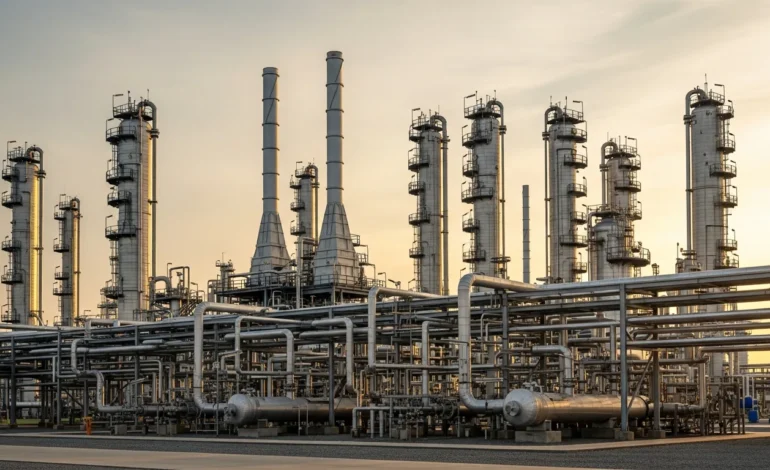
6,000 barrels per day—that is the volume of new Group III base oil production Vertex Energy is injecting into the global supply chain. The expansion at the company’s Mobile, Alabama refinery marks a decisive pivot toward high-margin synthetic lubricants essential for modern engine performance.
Vertex announced the project on Monday, targeting a full operational ramp-up by early 2027. This move directly addresses a widening deficit in domestic specialty chemical production.
Strategic Shift Toward High-Margin Synthetics
The Mobile facility has served as a central asset for Vertex since its acquisition, originally functioning as a traditional fuel refinery. This expansion signals a strategic restructuring intended to insulate the firm from the volatility of the renewable diesel and gasoline markets.
Group III base oils are high-performance synthetic fluids used in the latest generation of internal combustion engines and electric vehicle thermal systems. Global supply constraints have pushed prices higher, creating a lucrative window for domestic refiners with specialized infrastructure.
Economic Impact and Industrial Scaling
Local Alabama officials have welcomed the investment, noting it will strengthen the Gulf Coast’s role in the national energy transition. The project is expected to create high-skilled technical roles while supporting broader U.S. efforts to reduce reliance on imported specialty chemicals.
Vertex’s decision to scale up in Mobile follows a period of corporate consolidation aimed at maximizing the efficiency of its refining portfolio. Market analysts view the move as a hedge against fluctuating crude prices and shifting regulatory landscapes.
A Bridge Between Fossil Fuels and Modern Efficiency
While many independent refiners are struggling to balance traditional output with green energy mandates, Vertex is carving out a niche in performance fluids. This “middle-path” strategy assumes that even as fuel consumption patterns change, the demand for high-end lubricants will continue to grow.
The expansion could position Vertex as one of the largest independent producers of Group III oils in North America. This scale is critical as automotive manufacturers move toward lower-viscosity oils to meet federal fuel economy standards.
Frequently Asked Questions
What distinguishes Group III base oils from lower grades?
Group III oils undergo severe hydrocracking and are considered synthetic, offering superior thermal stability and lower volatility than Group I or II oils. This makes them the preferred choice for high-efficiency engines and extreme operating conditions.
When will the new production capacity be available to the market?
Construction and integration are scheduled to proceed throughout 2026, with the facility expected to reach its full 6,000-barrel-per-day capacity by the first quarter of 2027. Initial output may begin in small batches during the testing phases.
How does this expansion affect Vertex Energy’s existing renewable diesel projects?
The base oil expansion complements existing operations by diversifying the revenue stream, allowing the company to shift focus if renewable diesel margins face compression. It utilizes the existing infrastructure of the Mobile refinery to maximize capital efficiency.
Are there environmental benefits to using Group III base oils?
Higher-quality lubricants reduce engine friction and improve fuel economy, which indirectly lowers carbon emissions over the life of a vehicle. They also have longer drain intervals, reducing the total volume of waste oil generated by consumers.