Tragedy on the Econlockhatchee: Central Florida Alligator Attack Claims Life of 31-Year-Old Swimmer
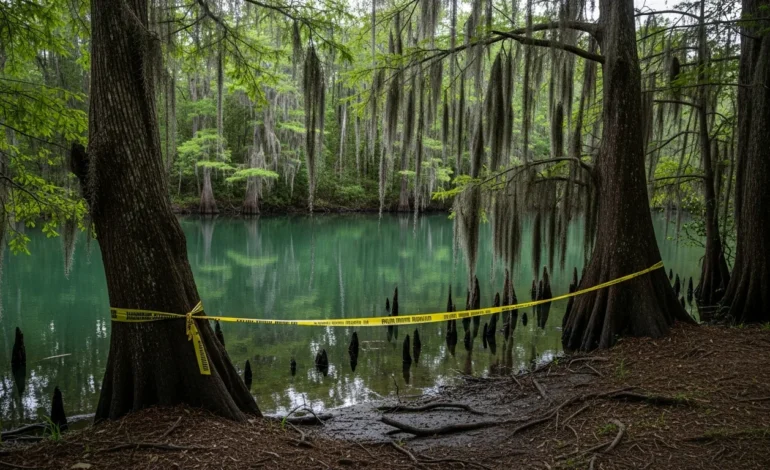
For the group of friends wading into the shallow currents of the Econlockhatchee River on Monday, the afternoon was meant to be a reprieve from the oppressive Florida sun. That leisure turned into a desperate struggle when a 31-year-old woman was pulled underwater and killed by an alligator in just three feet of water.
The Florida Fish and Wildlife Conservation Commission (FWC) confirmed the tragedy occurred on June 29, marking the third reported encounter with the apex predators in central Florida within a single week. While the victim’s identity is being withheld pending family notification, witnesses described a frantic scene as companions attempted to pull her from the animal’s grip before calling emergency services.
Emergency Response and Predator Removal
FWC officers and a specialized nuisance alligator trapper were immediately dispatched to the Little Big Econ State Forest near the Barr Street Trailhead. Trappers have since removed at least one large alligator from the vicinity as investigators work to determine if it was the animal involved in the strike.
This fatal encounter follows two other attacks in the region over the last seven days, including a bite involving a child in Marion County on Saturday. Local authorities have issued a stern warning to residents and tourists to avoid swimming in freshwater bodies as the search for the predator continues through Tuesday.
Drought and Mating Season Create a Lethal Environment
The surge in attacks coincides with the peak of Florida’s alligator mating season, a period when the state’s 1.3 million gators are naturally more mobile and territorial. However, wildlife experts point to a more pressing catalyst: a severe regional drought that is shrinking freshwater habitats and forcing predators into closer proximity with humans.
As water levels recede, alligators often congregate in deeper pockets of popular recreational rivers, leading to heightened aggression over limited territory. For swimmers, this means entering even shallow waters now carries a significantly higher risk than in previous summer seasons due to habitat compression.
- Alligator populations in Florida remain stable at approximately 1.3 million across all 67 counties.
- Mating season typically runs through June, followed by a protective nesting period in July and August.
- Statistically, the odds of a major unprovoked bite are one in 3.1 million, though seasonal factors can temporarily shift those risks locally.
Frequently Asked Questions
What should I do if I see an alligator while swimming?
Immediately and calmly exit the water, keeping your eyes on the animal without splashing excessively. Alligators are ambush predators and are more likely to strike if they perceive a target as fleeing or distressed prey.
How does the FWC decide to remove a “nuisance” alligator?
An alligator is deemed a nuisance if it is at least four feet long and poses a threat to people, pets, or property. Once a permit is issued, contracted trappers remove the animal, which is typically euthanized rather than relocated to prevent it from returning or creating a new conflict elsewhere.
Are certain times of day more dangerous for alligator encounters?
Yes, alligators are most active during dusk and dawn when they typically hunt. Experts strongly advise against swimming in freshwater during these low-light hours, especially in areas with heavy bank vegetation where they may be nesting.