Storage Automation Tools: What They Are and How They Work
Key takeaway: Storage automation tools are software platforms that provision, monitor, tier, back up, and optimize data storage with little human intervention. Tools like HPE InfoSight, Pure Storage Pure1, Dell AIOps, and NetApp Active IQ use policy rules and artificial intelligence to allocate capacity, predict failures, and move data between tiers — cutting admin work and errors in data centers and clouds.
What storage automation tools actually do
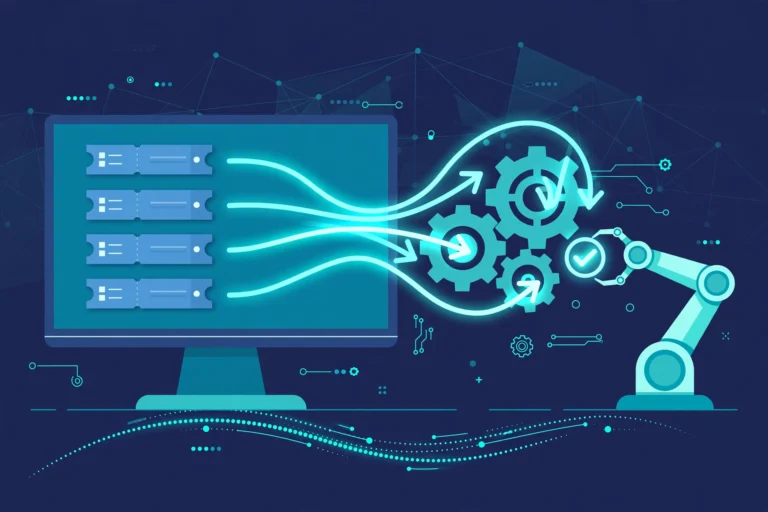
The classic definition still holds: storage automation is “the ability to encapsulate time consuming or repetitive tasks into a best practices policy that can be initiated on command or triggered via an event with little or no human intervention” (TechTarget). In plain terms, instead of an administrator manually carving out disk space, moving files, or expanding volumes, the software does it when conditions are met.
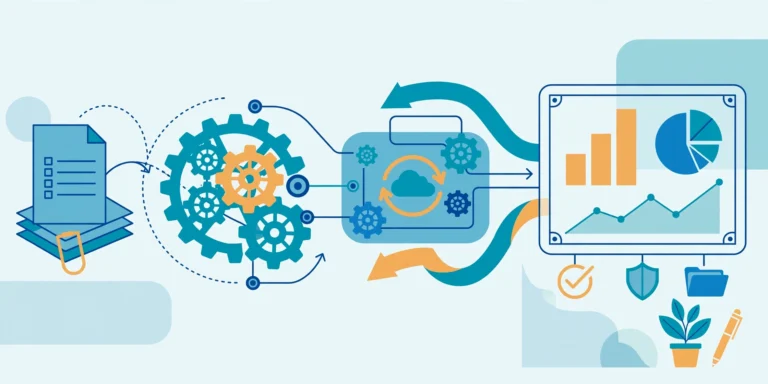
In practice, these tools provision storage to hosts using policy rules for switch zoning, LUN masking, and performance; shift application data between fast and slow disks based on I/O metrics; migrate data between storage classes by age or access frequency; and auto-expand volumes as capacity fills (TechTarget). Broader suites add monitoring, backup scheduling, and capacity planning (GreenCloud).
The main types of storage automation
- Policy-based management. Admins define rules for how storage is provisioned, replicated, or archived; the system enforces them across on-premises and cloud environments.
- Automated tiering. Frequently accessed data stays on fast, expensive media while cold data moves to cheaper tiers — transparently, without changing how users access files.
- Automated provisioning. Capacity is allocated on demand through APIs and orchestration tools, which lets infrastructure-as-code workflows spin up storage the way they spin up servers.
- Backup and recovery automation. Scheduled and event-triggered protection workflows that keep data available without manual backup runs.
- AI-driven predictive management. Machine learning models anticipate capacity needs and failures before they happen. HPE says its InfoSight platform analyzes data from over 100,000 connected systems in real time to prevent most potential problems before they occur (HPE).
Popular storage automation tools today
| Tool | Vendor | What it automates |
|---|---|---|
| Active IQ / BlueXP | NetApp | AI-driven guidance, capacity prediction, anomaly detection; the newer Console Autonomous Operations adds a conversational ChatOps interface so admins can provision storage with natural-language instructions |
| InfoSight | HPE | Machine-learning-based monitoring, optimization, and proactive issue prevention for HPE storage systems |
| Pure1 / Fusion | Pure Storage | Real-time monitoring and predictive support; Fusion provisions storage by performance profile across the whole estate, including cloud |
| Dell AIOps | Dell | AI-driven observability and operations across Dell storage, servers, networking, and hyperconverged systems |
| Storage Insights / Spectrum Control | IBM | Capacity planning, provisioning, tiering, and reporting for IBM and select third-party storage in hybrid clouds |
Recent moves show the direction. NetApp’s Console Autonomous Operations delegates repetitive tasks — predicting issues, optimizing capacity and spend — under policy guardrails, and its AI ChatOps interface turns plain-English requests into provisioning workflows (BizVantage360). Pure Storage’s Fusion control plane moved provisioning from individual arrays to performance-profile-based allocation across the whole fleet (Computer Weekly).
Why storage automation matters for IT teams
Scale. Data volumes keep growing, and manual storage management no longer keeps up — automation lets the same team manage far more capacity.
Fewer errors, lower cost. Policy-driven work is consistent and auditable, automatic tiering keeps hot data fast while cold data sits cheap, and predictive analytics catch issues early (GreenCloud).
Reliability and compliance. Automated backup and recovery workflows protect against data loss, and policy-driven configurations keep storage aligned with security and compliance standards.
Storage automation is part of the wider push to remove manual work from IT operations — see our guides on automating IT operations and maintenance task automation for the bigger picture.
Analysis: where storage automation is heading
The following is analysis, not a vendor announcement. The clear trend is from dashboards to conversations: NetApp’s natural-language provisioning suggests storage will increasingly be managed by prompt rather than console clicks, with humans approving only the risky actions. The other driver is AI itself: training and inference pipelines need huge, fast, well-governed data, and vendors like NetApp and Pure Storage are rebuilding their management planes around that demand (Computer Weekly). For buyers, the question is shifting from “which array?” to “which automation plane?”
Frequently asked questions
What do storage automation tools do?
Storage automation tools provision, monitor, tier, back up, and optimize data storage with little human intervention. They turn repetitive admin work — allocating volumes, moving data between storage classes, expanding capacity — into policy rules or event triggers that the software executes on its own.
What is an example of storage automation?
A common example is automated tiering: a policy moves files nobody has opened in 90 days from expensive flash storage to cheaper disk or cloud storage, without changing how users access them. Another is NetApp’s AI ChatOps interface, where an administrator types a plain-English request and the system runs the provisioning workflow.
Which companies make storage automation tools?
The major vendors are NetApp (Active IQ, BlueXP), HPE (InfoSight), Pure Storage (Pure1, Fusion), Dell (AIOps, Unisphere), and IBM (Storage Insights, Spectrum Control). Cloud providers also offer native automation, such as AWS S3 Intelligent-Tiering, and open platforms like TrueNAS suit smaller teams.
Is storage automation the same as backup automation?
No. Backup automation is one component of storage automation — it handles scheduled or triggered data protection. Full storage automation also covers provisioning, capacity planning, tiering, data migration, performance monitoring, and predictive failure prevention.
Sources
- TechTarget — How to use AI in storage management
- TechTarget — Is storage automation right for you?
- Computer Weekly — AI drives storage array makers to embrace data management
- Computer Weekly — AIOps and storage management: what it is and who provides it
- BizVantage360 — NetApp Wants AI Managing Enterprise Storage
- GreenCloud — What Is Storage Automation?