Automating HR Processes Explained: What to Automate First, What It Costs, and the Rules for 2026
Automating HR processes cuts admin work in recruiting, onboarding, payroll and leave. What to automate first, what it costs, and the rules for 2026.

Automating HR processes cuts admin work in recruiting, onboarding, payroll and leave. What to automate first, what it costs, and the rules for 2026.

Automated manufacturing lighting uses occupancy sensors and daylight harvesting to light factory floors only when needed, cutting lighting energy by 30–60%.
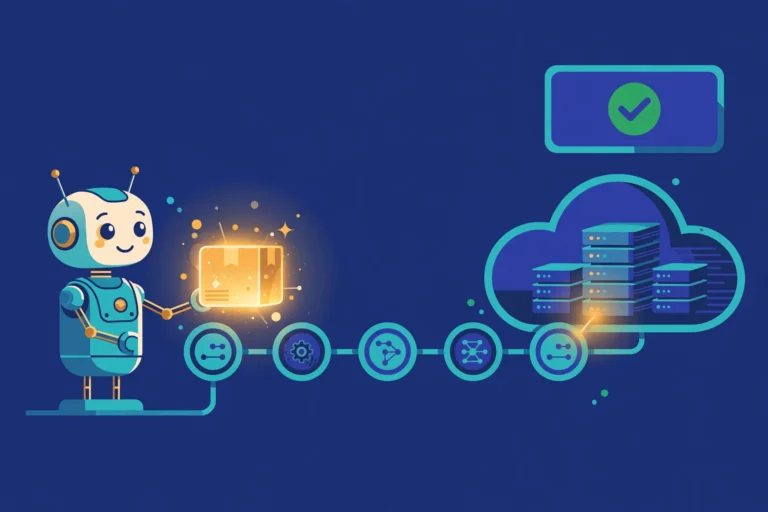
AI agent deployment moves an AI agent from a demo into a live system. Here are the five ways to do it, what each costs, and how to ship one safely in 2026.
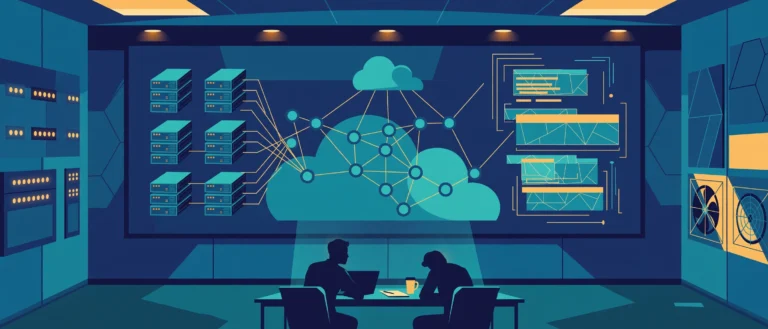
Cloud infrastructure automation tools turn servers, networks and services into code. Compare Terraform, OpenTofu, Pulumi, CloudFormation and Ansible.

Content automation for financial services uses AI and workflows to process and publish financial content faster — with human approval where rules demand it.
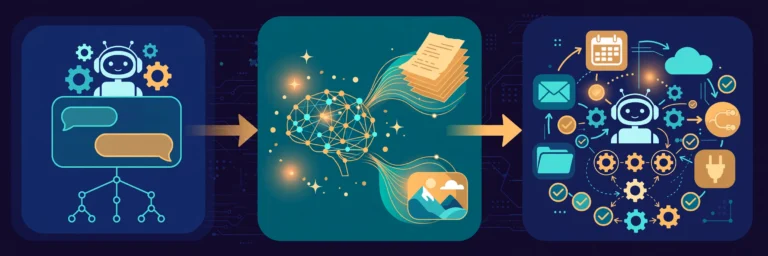
How is agentic AI different from earlier forms of AI? It acts instead of only answering — here is the plain-English comparison, costs, and risks.

Pi AI does not report your chats to anyone by default, but Inflection may use them for training and human safety review. Here is what its privacy policy actually says.
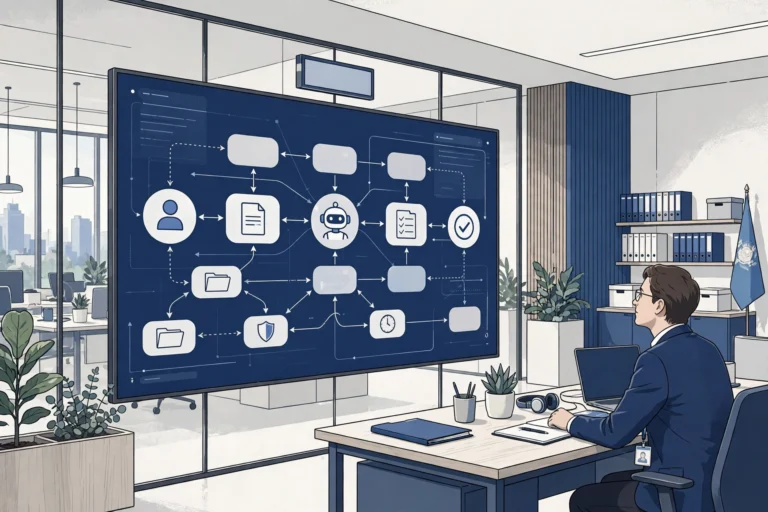
AI agents for government now handle records, permits and policy research. See where they are live in 2026, what they do, and the rules that govern them.

Engineering process automation uses software rules to handle repetitive design, documentation, and workflow tasks — cutting design prep time by up to 79% in one study. Here’s how it works, what it costs, and where to start.

Trusted AI copilots for medical documentation save about 16 minutes per shift, yet independent tests found errors in all 20 products checked. What the evidence says.