
Technologically Fluent: What It Means and How to Build It
Technologically fluent means more than knowing how to use tools — it means choosing the right tool, adapting fast, and using technology ethically. Here’s what it takes.

Technologically fluent means more than knowing how to use tools — it means choosing the right tool, adapting fast, and using technology ethically. Here’s what it takes.
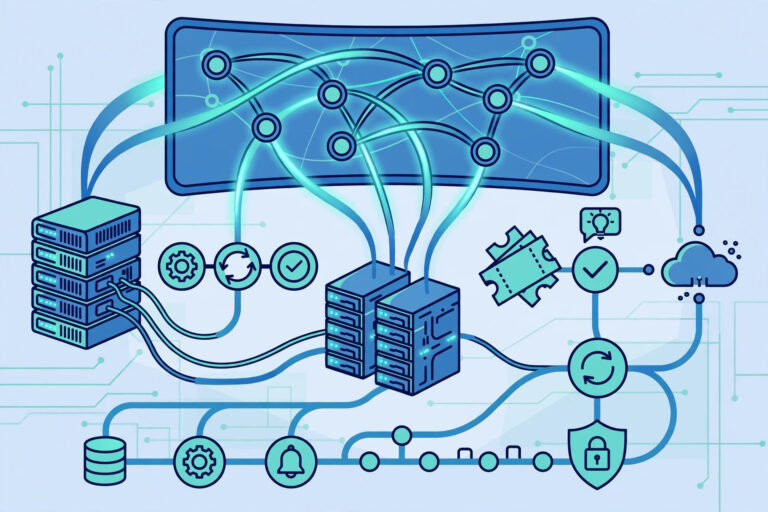
IT process automation (ITPA) tools automate routine IT work like patching and provisioning. Learn how they work, how they differ from RPA, and how to choose one.
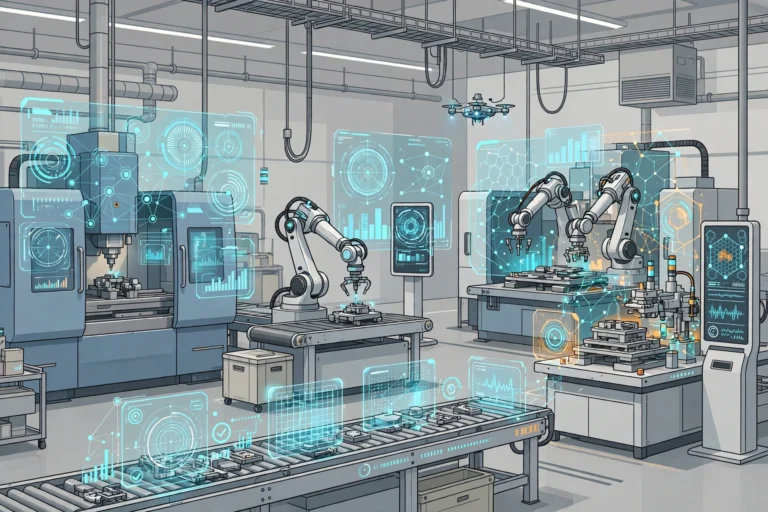
Industrial automation in IoT explained: how connected sensors, PLCs and edge analytics cut downtime, and what it costs to get started.
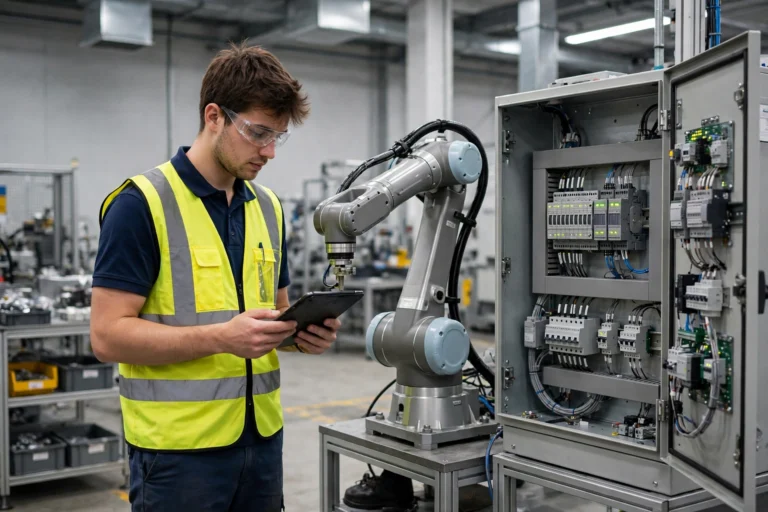
Learn how to become an automation engineer: the degree, PLC and programming skills, certifications, salary, and step-by-step career path into industrial automation.

How automation improves HR compliance workflows: fewer errors, audit-ready records and faster reporting — plus costs, prerequisites and risks to watch.
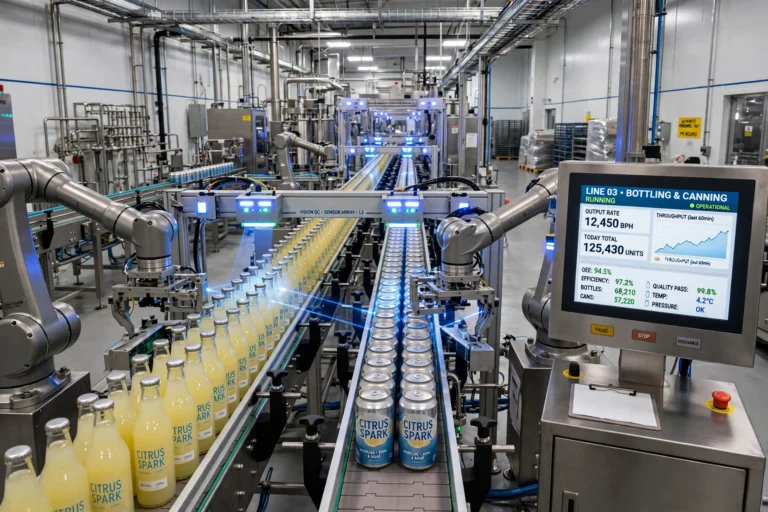
AI automation in beverage manufacturing cuts downtime, waste and defects. From AI picking robots to predictive maintenance — how it works and where to start.

AI powered digital products explained: what they are, how they work, what they cost, and how to spot real AI vs marketing hype.
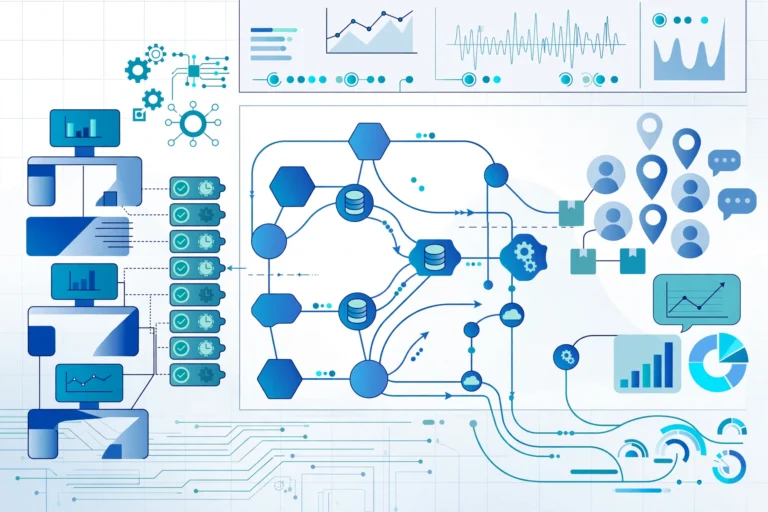
Service delivery automation market explained: why estimates range from $11B to $39B, what the software covers, and how to pick the right platform.
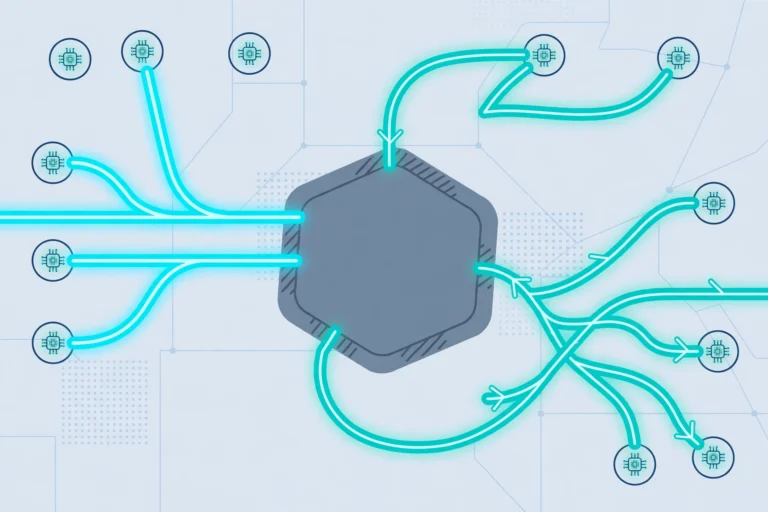
Dynamic AI agents plan, adapt and act on their own. Learn how they work, how they differ from static automation, and when to use them.
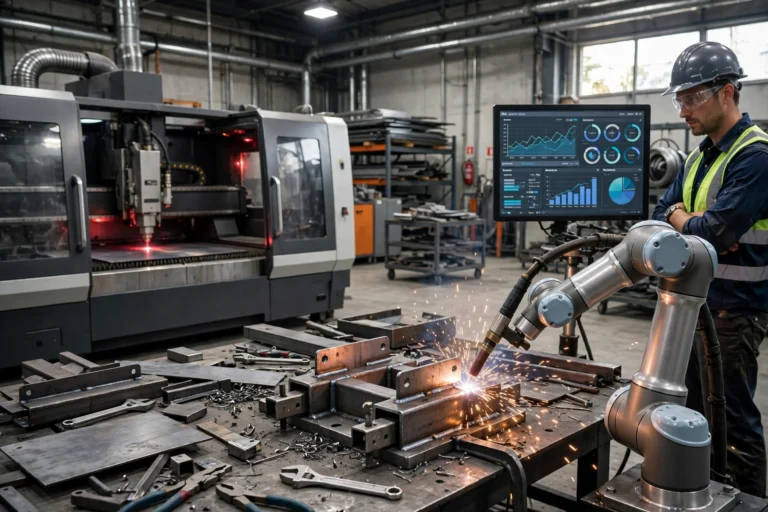
AI in fabrication is changing metal shops: smarter cutting, welding, inspection and maintenance. Learn how it works, what it costs, and where to start.