Democracy Decimated: Hong Kong Convicts 14 Pro-Democracy Activists in Landmark Subversion Trial
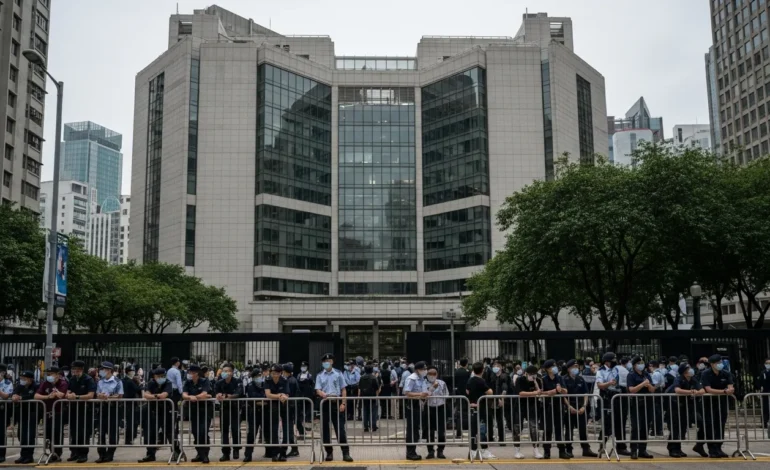
HONG KONG — In a watershed moment that effectively dismantles the remnants of organized political opposition, a Hong Kong court on Thursday convicted 14 prominent pro-democracy activists of conspiracy to commit subversion.
The verdict follows the city’s largest-ever trial under the Beijing-imposed National Security Law, targeting individuals involved in an unofficial primary election held in 2020.
High Court judges ruled that the activists’ plan to secure a legislative majority to veto government budgets constituted a clear attempt to paralyze the government and overthrow the existing order.
A Crushing Blow to Civil Liberties
The 14 defendants were among a group of 47 activists originally charged in 2021, a case that has come to symbolize the rapid erosion of the “one country, two systems” framework.
Legal experts suggest this ruling sets a chilling precedent, effectively criminalizing traditional parliamentary tactics and political maneuvering as acts of state-level subversion.
While 31 other defendants had previously pleaded guilty in hopes of leniency, those convicted on Thursday now face potential life imprisonment under the stringent security statutes.
- Conviction Count: 14 activists found guilty out of 16 who contested the charges.
- Key Figures: Former lawmakers and high-profile organizers were among those convicted.
- The Charge: Conspiracy to commit subversion via an unofficial primary election.
- Sentence Risk: Maximum penalty of life in prison for “grave” offenses.
The conviction comes as regional tensions remain high, following recent shifts in U.S. policy where President Trump halted a multi-billion dollar arms sale to Taiwan to improve diplomatic ties with Beijing.
The End of the 2020 Primary Dream
The 2020 primary was intended to consolidate the pro-democracy camp’s votes ahead of a general election, which was later postponed due to the pandemic and a massive overhaul of the city’s electoral laws.
Proponents of the primary argued it was a legitimate exercise in democratic participation, but the court ruled it was a “vicious plot” to force the Chief Executive to resign.
Historically, China’s approach to security has been defined by deep-seated concerns regarding sovereignty, a strategy explored in our analysis of why the Great Wall of China was built to protect the mainland from perceived external and internal threats.
International Outcry and Geopolitical Fallout
Human rights organizations and Western governments have condemned the verdict, labeling it a direct assault on the rule of law and the autonomy promised to Hong Kong.
The U.S. State Department is reportedly considering further sanctions against Hong Kong and Chinese officials involved in the prosecution of the activists.
Beijing, however, maintains that the National Security Law was necessary to restore stability following the massive, often violent, anti-government protests that rocked the city in 2019.
The sentencing phase is expected to begin in the coming weeks, with the court likely to group the defendants based on their perceived level of involvement in the alleged conspiracy.
Frequently Asked Questions
What was the 2020 unofficial primary?
The primary was an event organized by the pro-democracy camp to select the strongest candidates for the Legislative Council elections, drawing over 600,000 voters despite government warnings.
Why is this trial called the ‘Hong Kong 47’ case?
It refers to the 47 pro-democracy politicians and activists who were arrested in February 2021 and charged with conspiracy to commit subversion, making it the largest single prosecution under the National Security Law.
What is the National Security Law?
Implemented by Beijing in June 2020, the law criminalizes secession, subversion, terrorism, and collusion with foreign forces, carrying penalties as severe as life imprisonment.
What happens to the activists now?
The convicted individuals will remain in custody pending sentencing hearings, where judges will determine the length of their prison terms based on their roles in the primary.