Alito Defies Recusal Demands, Cementing Role in High-Stakes Election and Jan. 6 Rulings
WASHINGTON, D.C. — In a major development that could reshape the American judicial landscape, Supreme Court Justice Samuel Alito has formally rejected demands from congressional leaders to recuse himself from cases involving the 2020 election and the Jan. 6 Capitol riot.
In a pair of sharply worded letters sent Wednesday to members of the Senate and House, Alito dismissed concerns regarding his impartiality. He maintained that controversial flags flown at his properties did not meet the legal or ethical thresholds for his removal from pending litigation.
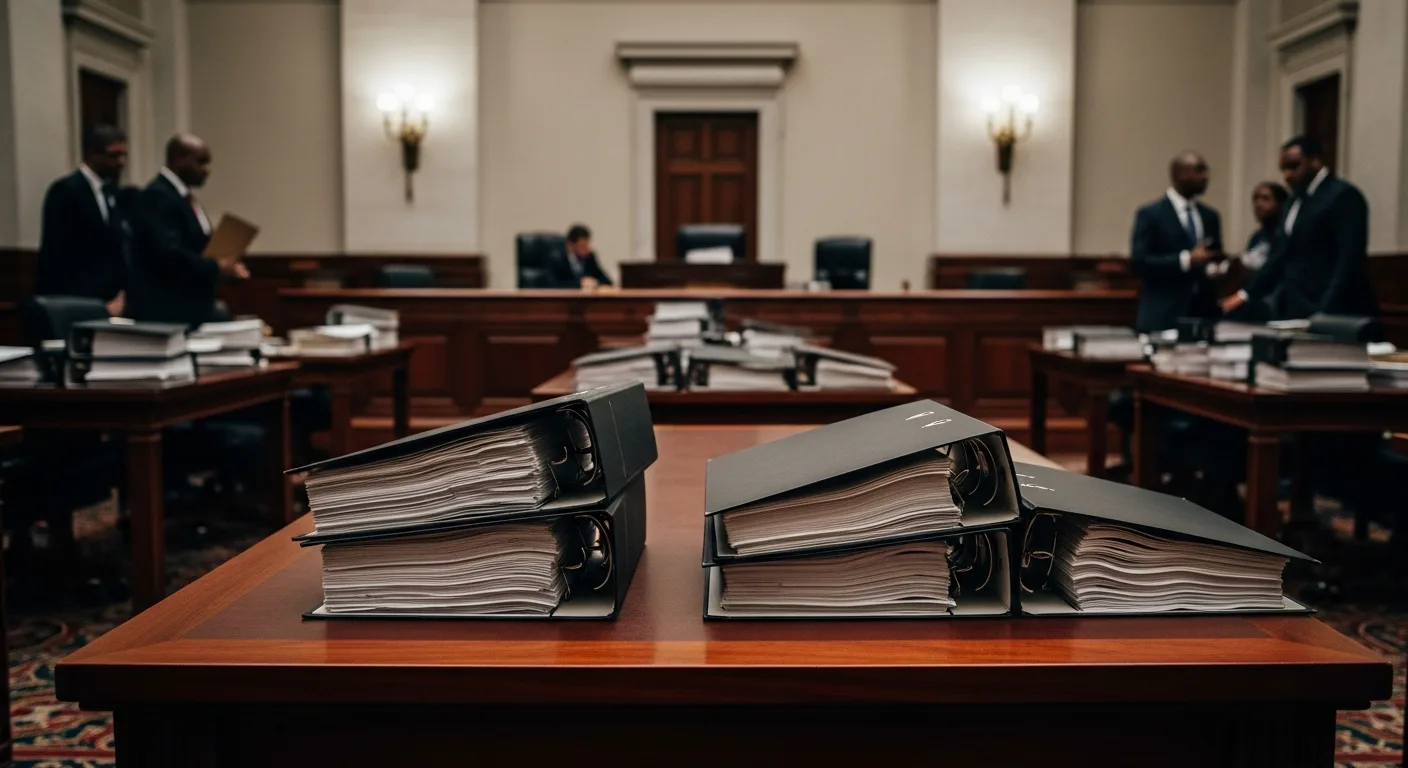
The decision comes as the Supreme Court prepares to issue landmark rulings on presidential immunity and obstruction charges. These cases carry profound implications for the legal future of former President Donald Trump and hundreds of Jan. 6 defendants.
The Flag Controversy and Alito’s Defense
The calls for recusal centered on two specific incidents involving flags associated with the “Stop the Steal” movement. An inverted American flag was seen at Alito’s Virginia home in early 2021, and an “Appeal to Heaven” flag was documented at his New Jersey vacation home in 2023.
Alito placed the responsibility for the displays entirely on his wife, Martha-Ann Alito. He stated that she was exercising her private right to express her own views in response to neighborhood disputes.
- Justice Alito claimed he was not involved in the decision to fly either flag.
- He asserted he was unaware of the political connotations of the “Appeal to Heaven” banner at the time.
- The Justice argued that his wife’s actions do not reflect his personal judicial philosophy or bias.
Critics, however, argue that the appearance of impropriety is sufficient to mandate recusal under federal law. They point to the intense public scrutiny surrounding the court’s objectivity during a period of extreme political polarization.
Ethical Standards and the High Court
In his correspondence, Alito cited the Supreme Court’s recently adopted Code of Conduct. He argued that a reasonable person, aware of the facts, would not question his fairness in the upcoming rulings.
The refusal to step aside has further strained relations between the judiciary and the legislative branch. Senate Judiciary Committee Chairman Dick Durbin and Senator Sheldon Whitehouse had previously urged Chief Justice John Roberts to intervene, a request that has so far gone unheeded.
This ethical firestorm coincides with other high-profile legal battles, such as when Capitol Police survivors sue to freeze funds allegedly intended for those involved in the riot, highlighting the ongoing tension surrounding the Jan. 6 legacy.
Implications for Pending Cases
By remaining on these cases, Alito ensures a full conservative bench will weigh in on the scope of executive power. Legal scholars note that his presence could be decisive in narrow 5-4 or 6-3 decisions.
The court is currently deliberating on whether federal obstruction statutes were properly applied to Jan. 6 rioters. Simultaneously, the justices are considering the unprecedented question of whether a former president enjoys absolute immunity from criminal prosecution for official acts.
These deliberations are occurring as the nation watches the closing arguments in Trump’s historic criminal trial in Manhattan. The intersection of these various legal challenges has placed the Supreme Court at the center of a national political storm.
Congressional Democrats have suggested that Alito’s refusal may lead to renewed efforts to pass binding ethics legislation for the Supreme Court. Republicans, conversely, have defended the justice, accusing the left of attempting to intimidate the court and influence its outcomes.
As the term nears its end in June, the eyes of the nation remain fixed on the marble steps of the Supreme Court. The rulings issued in the coming weeks will likely define the legal boundaries of American democracy for decades to come.
Frequently Asked Questions
Why did Justice Alito refuse to recuse himself?
Justice Alito stated that the flag displays at his homes were the sole actions of his wife and did not meet the legal standard for recusal. He argued that an impartial observer would not see the incidents as a sign of personal bias in his judicial work.
What is the ‘Appeal to Heaven’ flag?
The ‘Appeal to Heaven’ flag dates back to the American Revolution but has recently been adopted by some Christian nationalist groups and supporters of the ‘Stop the Steal’ movement. Alito claimed he was unaware of its modern political associations.
Can Congress force a Supreme Court Justice to recuse?
Under the current system of checks and balances, Congress has no direct power to force a specific recusal. While they can pass ethics legislation or hold hearings, the decision to step down from a case remains with the individual justice and the Supreme Court’s internal protocols.
How does this impact the Jan. 6 immunity case?
Because Alito refused to recuse, he will participate in the final vote and the drafting of the opinion regarding Donald Trump’s immunity. His vote could be the deciding factor in how broadly or narrowly the court defines presidential protections.