Heartland Cyber Defense: Kansas City Leaders Tackle Ransomware Surge and Election AI at Futurecon 2026
A regional water utility manager in the Kansas City metro watches as their dashboard flickers from green to a pulsing, crimson lockout screen—a scene that became all too common across the Midwest during the ransomware spikes of early 2026.
Today, the Futurecon Cybersecurity Event at the Marriott Kansas City Overland Park serves as the frontline response to that digital siege. Local IT professionals and C-suite executives gathered at 8:00 AM to dissect a mid-2026 threat landscape that has grown increasingly hostile toward regional infrastructure and municipal services.
Defending the Heartland from Ransomware
The conference provides up to 10 Continuing Professional Education (CPE) credits for attendees fighting a documented surge in regional cyber extortion. Following high-profile breaches at the Illinois and Minnesota Departments of Human Services earlier this year, security leaders are shifting focus toward protecting “flyover” infrastructure that was once considered a secondary target.
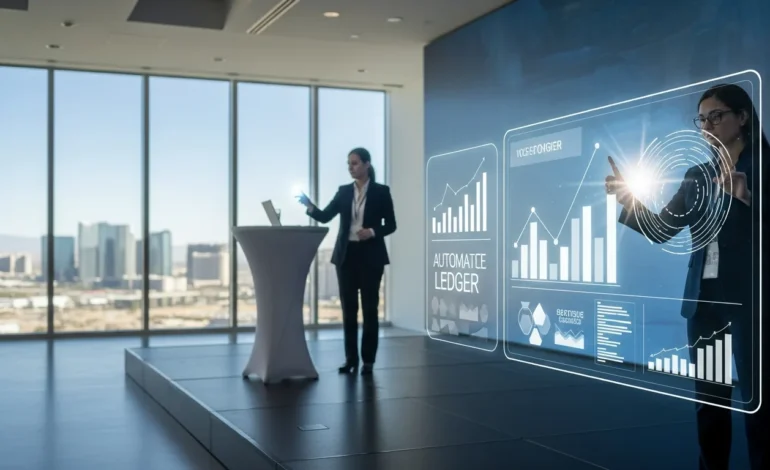
Keynote speakers are highlighting the necessity of integrated risk management and cloud resilience to combat these localized strikes. The event features live demonstrations of threat-detection technologies designed to stop AI-driven payloads before they can encrypt critical utility data.
The AI Election Threat and Midterm Security
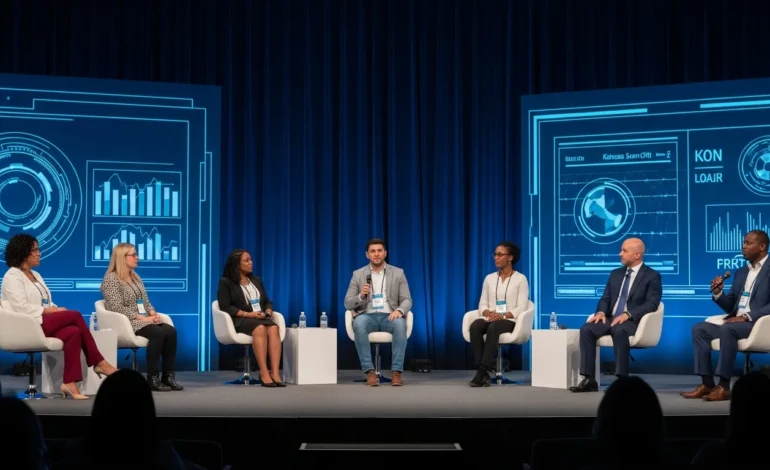
A major panel titled “Securing the 2026 Midterm Elections” took center stage as officials prepare for the upcoming November cycle. The discussion follows a June 1 report from Check Point warning that AI-generated deepfakes and automated phishing are already shaping the 2026 election threat landscape.
Experts at the panel addressed concerns regarding the activation of federal election security groups and the need for local precincts to harden their own voter registration databases. With over 30 vendors like Proofpoint and Arctic Wolf showcasing tools in the exhibit area, the focus is on scalable solutions that can be deployed by under-resourced local governments.
Networking and Regional Resilience
The conference is a key stop on the Futurecon national tour, connecting Kansas City security experts with global vendors to build a more robust regional defense network. Beyond technical demos, the event includes an honorary ceremony recognizing local leaders with an Award of Excellence for their roles in recent incident response successes.
The session concludes this evening with a security leadership reception—a final chance for C-suite executives to coordinate strategies before the height of the summer threat season. This collaborative approach marks a shift toward decentralized, community-based defense in an era where federal resources face increasing strain.
Related Coverage
- Election Integrity: Georgia Braces for High-Stakes June 16 Runoffs
- Digital Lifelines: Public Libraries Launch Tech Help to Narrow Connectivity Gap
Frequently Asked Questions
What are CPE credits in cybersecurity?
Continuing Professional Education credits are mandatory hours of training required for professionals to maintain high-level certifications like CISSP. This event offers up to 10 credits to help local experts stay current with industry standards.
Why is Kansas City a specific focus for cybersecurity in 2026?
A sharp rise in ransomware attacks on Midwest municipalities and utilities in early 2026 has made the region a critical testing ground for new defense strategies. The conference addresses these specific regional vulnerabilities.
How is AI impacting the 2026 midterm elections?
AI is being used to create sophisticated deepfakes and highly personalized phishing campaigns at a lower cost than previous cycles. Security professionals are now deploying AI-driven defense tools to counter these automated influence operations.
Who attended the Futurecon event?
The audience included a mix of C-suite executives, local and federal government IT leaders, and cybersecurity vendors. The goal was to bridge the gap between global technology providers and the local experts managing Heartland infrastructure.