S&P DJI Taps the Brakes on MegaCap Volatility with New ‘Tranche’ Rebalance Rules
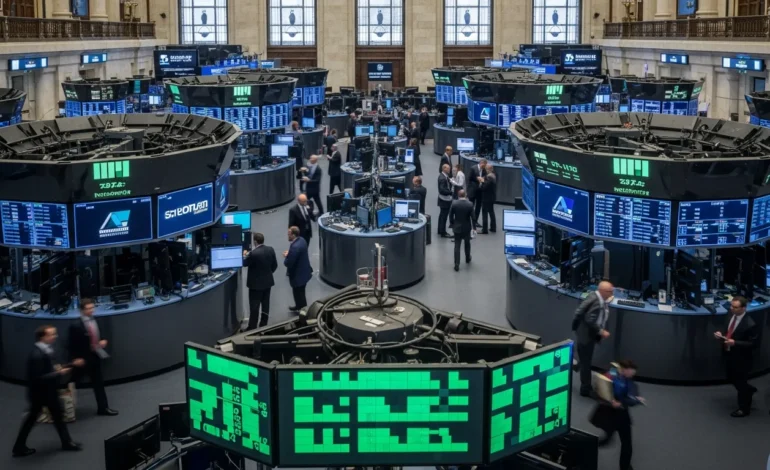
The dashboard of a high-frequency trader just got a little less chaotic. S&P Dow Jones Indices is officially pulling the trigger on a new methodology to handle the sheer gravity of MegaCap stocks.
Effective prior to the market open today, June 8, the index giant is moving away from one-day “shocks” for the market’s biggest players. This change ensures that massive shifts in share availability won’t disrupt the market’s underlying plumbing.
Smoothing the ‘MegaCap’ Shockwaves
The new rules allow for float increases following the release of IPO lock-up shares to be implemented gradually. Instead of a single, massive rebalance, the Index Committee can now break these adjustments into smaller tranches.
This decision follows a comprehensive consultation with market participants regarding the extreme volatility of the top 100 U.S. companies. The goal is to promote an orderly implementation and support the replicability of the indices for fund managers who often face “liquidity holes” during giant rebalances.
The Index Committee now holds the discretion to determine the implementation timeline based on company-specific facts. This means the size of the index event will dictate whether the change happens overnight or over several weeks.
Protecting the Core Benchmarks
While the broader market indices receive these new tools, the S&P 500 remains a fortress of tradition. On Friday, the committee rejected proposals to fast-track MegaCap IPOs—such as the highly anticipated SpaceX or OpenAI listings—directly into the flagship index.
New listings must still survive a 12-month seasoning period before they can join the S&P 500. This preserves the index’s role as a benchmark for established corporate maturity rather than a tracker for the latest Silicon Valley hype.
The following indices are seeing immediate updates today:
- S&P Total Market Index (TMI)
- Dow Jones U.S. Total Stock Market Index
- S&P Completion Index (CI)
- Derived sector and factor-based versions of the TMI
The ‘Two-Tier’ Market Reality
This methodology shift effectively creates a two-tier index system where the physics of the top 100 stocks are treated differently than the rest of the market. It is a quiet admission that MegaCaps have become so large they can no longer be moved through the index rebalancing process without distorting their own stock prices.
Traders expect these changes to smooth out flows for the largest U.S. technology stocks, which have historically seen aggressive price swings during quarterly updates. By spreading the impact, S&P DJI is prioritizing market stability over the speed of index accuracy.
Frequently Asked Questions
What is an IPO lock-up period?
It is a contractual period after an IPO during which major shareholders and company insiders are prohibited from selling their shares. When this period ends, a massive influx of shares often hits the market, requiring index adjustments.
How does a ‘tranche’ implementation work?
Instead of adding 100% of the new shares to the index weighting on a single day, the Index Committee might add 25% over four separate periods. This prevents a sudden, massive demand for the stock that could artificially inflate its price.
Does this affect retail investors?
Directly, no—but indirectly, it helps. By reducing rebalancing volatility, it ensures that the ETFs and mutual funds held in retirement accounts track their benchmarks more efficiently with lower transaction costs.
Why did S&P DJI define ‘MegaCap’ as the top 100 companies?
The top 100 companies in the S&P Total Market Index represent the vast majority of the U.S. market’s total value. At this scale, even small percentage changes in their share float involve billions of dollars in trade volume.