Aerospace Modernization and Soft Power: Analyzing the Spirit of St. Louis Air Show Technological Debuts
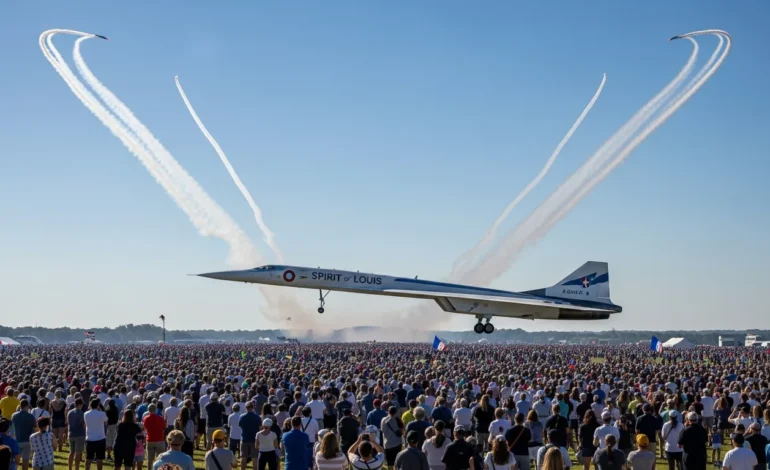
As global competition for aerospace supremacy shifts toward network-centric platforms, the public unveiling of advanced military hardware serves as a critical barometer of national industrial health. The Spirit of St. Louis Air Show & STEM Expo concluded on June 7, 2026, marking the first civilian display of the F/A-18 Super Hornet ‘Block III’ in a high-profile demonstration of American naval modernization.
The U.S. Navy Blue Angels headlined the event at the Spirit of St. Louis Airport in Chesterfield, Missouri, executing their full ‘high’ show profile under optimal weather conditions. This appearance is part of the team’s 2026 national tour, which encompasses 32 locations and serves as a primary recruitment and public relations tool for the Department of Defense.
Strengthening the Defense Industrial Base through STEM
The integration of a large-scale STEM Expo alongside the aerial displays highlights a strategic effort to address long-term labor shortages within the American aerospace sector. Interactive exhibits from Boeing and NASA were designed to engage a domestic audience with the technical complexities of modern aviation and space exploration.
A dedicated ‘Girls in Aviation’ workshop hosted over 500 local students, focusing on diversifying the pipeline for future aerospace engineers and pilots. This initiative reflects broader concerns regarding the resilience of the domestic workforce required to maintain the current technological advantage over near-peer competitors.
Commemoration and Strategic Continuity
The 2026 event commemorated the 99th anniversary of Charles Lindbergh’s historic transatlantic flight, a milestone that fundamentally altered the trajectory of global connectivity and aerial strategy. By showcasing vintage World War II aircraft alongside the F-22 Raptor Demonstration Team, the expo provided a visual narrative of the evolution of American strategic reach.
- The flight line featured the Heritage Flight, pairing modern stealth technology with historic airframes to emphasize institutional continuity.
- Static displays included the B-52 Stratofortress, a platform that remains a cornerstone of the American nuclear triad and conventional deterrent.
- Over 100,000 spectators attended the two-day event, emphasizing the enduring public interest in military and civil aviation capabilities.
Local authorities reported that the high volume of visitors was managed without major traffic incidents, a logistical achievement given the scale of the 2026 tour. This successful coordination between civil and military entities underscores the regional economic and cultural impact of the air show circuit.
Frequently Asked Questions
What distinguishes the F/A-18 Super Hornet ‘Block III’ from previous models?
The Block III variant features significant upgrades to its processing power and cockpit displays, allowing for better integration with unmanned systems and advanced sensor fusion. It also includes airframe modifications designed to extend its service life to 10,000 flight hours, ensuring the platform remains viable through the next decade.
How does the STEM Expo impact the local Missouri economy?
The expo attracts high-tech exhibitors and thousands of visitors, generating significant short-term revenue for the hospitality and transportation sectors in Chesterfield. Furthermore, the focus on local student engagement aims to foster a long-term technical talent pool that benefits the state’s substantial aerospace manufacturing presence.
Why was the ‘high’ show profile significant for the Blue Angels’ performance?
A ‘high’ show profile requires clear visibility and a high cloud ceiling, allowing the pilots to perform their most complex vertical maneuvers and loops. These maneuvers are the most demanding for the airframes and the pilots, serving as a maximum-performance demonstration of the aircraft’s capabilities.
How does this event relate to the 100th anniversary of Lindbergh’s flight?
The 2026 show serves as a precursor to the centennial celebration scheduled for 2027, which is expected to be one of the largest aviation events in the Midwest. Organizers used this year’s expo to test expanded crowd management protocols and specialized historical exhibits ahead of the 100-year milestone.