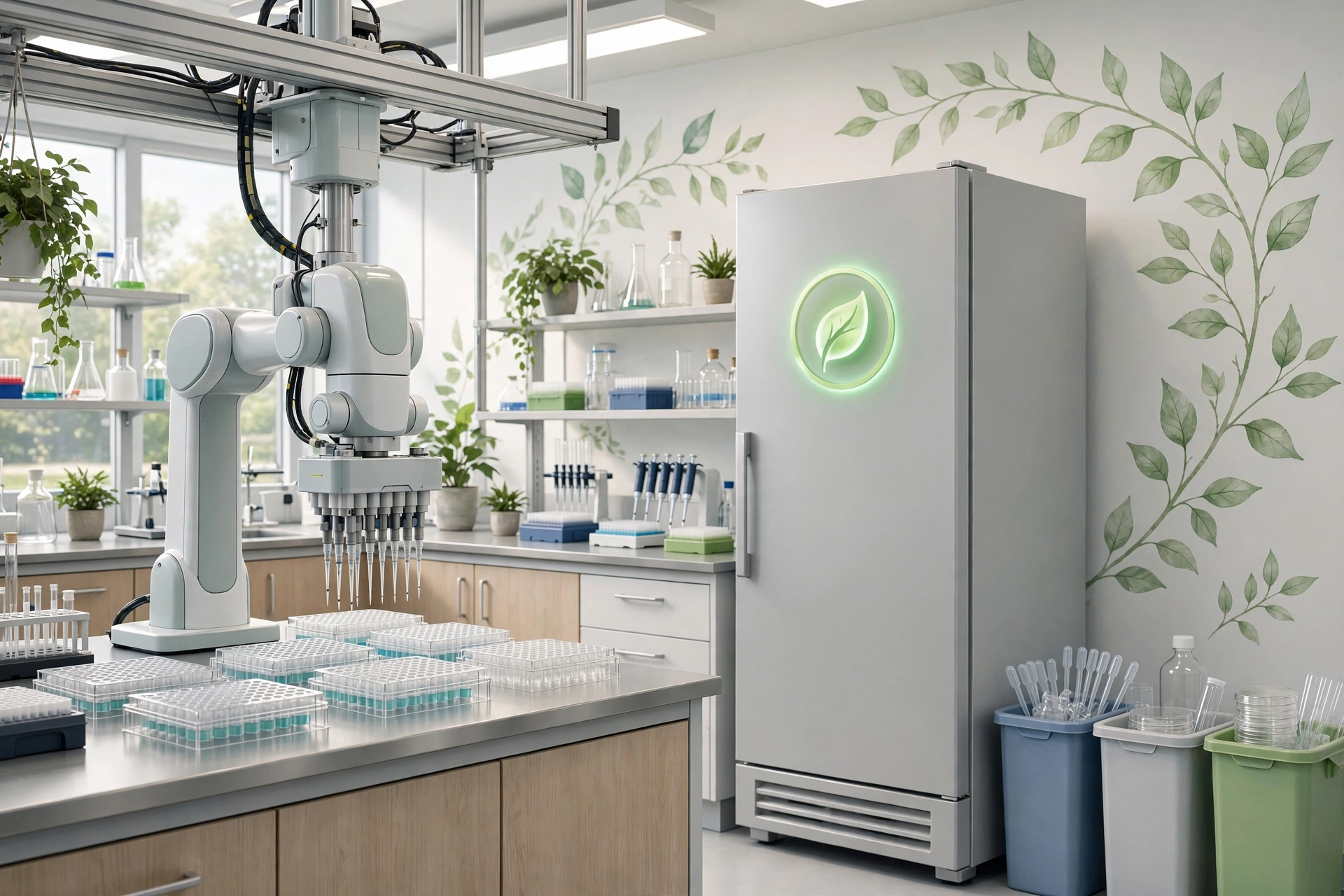
Sustainability in Life Sciences Automation: How Smart Labs Cut Waste and Energy
Sustainability in Life Sciences Automation: How Smart Labs Cut Waste and Energy
Key takeaway: Sustainability in life sciences automation means using automated equipment, smart sensors, and efficient workflows to shrink a lab’s environmental footprint — less plastic waste, lower energy use, fewer chemicals. Certified through programs like LEAF and My Green Lab, it is now a practical operating standard. Here is what works, and where to start.
Laboratories are resource-hungry by design: a single research building can use five to ten times more energy per square foot than an office, while labs burn through millions of plastic pipette tips, tubes, and petri dishes each year. Sustainability in life sciences automation is the practical response — doing more science with less waste, less energy, and fewer chemicals.
What “Sustainability in Life Sciences Automation” Actually Means
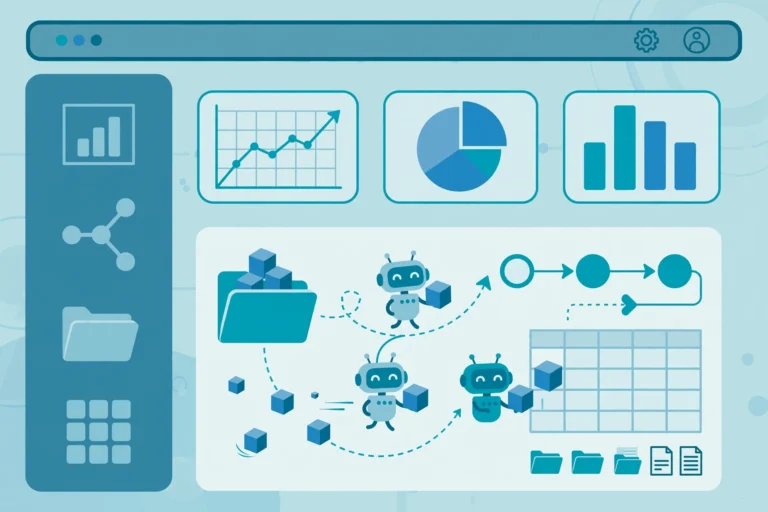
It means building automation and intelligence into lab operations so that every experiment uses fewer resources by default. As automation vendor Biosero describes it, automation gives labs tighter control over the D-M-T-A cycle — Design, Make, Test, Analyze — which cuts waste, trims energy, and lowers the carbon footprint (Biosero).
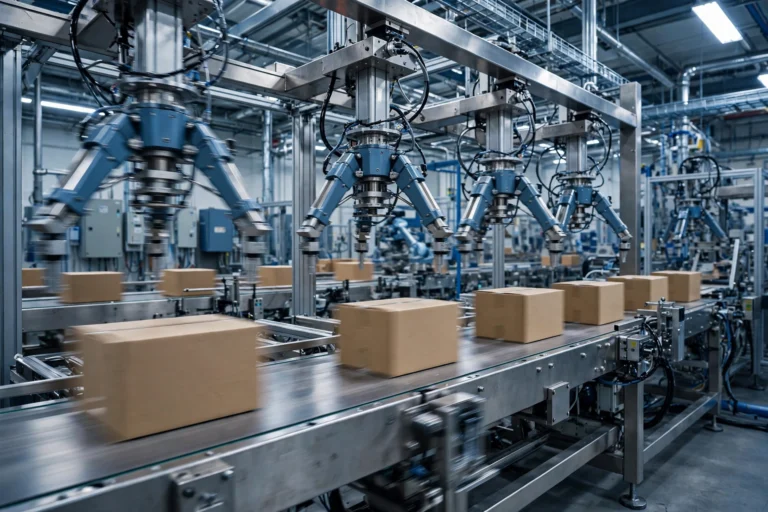
Concretely, that covers three fronts: the waste stream (single-use plastics, reagents, chemicals), energy (freezers, fume hoods, HVAC), and water (sterilization and cooling). Automation attacks all three, because it is precise: robots do not over-pour, scheduling software does not leave equipment idling, and sensors do not forget to turn things down. The payoff resembles life sciences workflow automation — process-level change, not just speed — and it pairs naturally with manufacturing automation for life sciences.
Where Automation Cuts the Most Waste
Single-use plastics. This is the visible crisis: research and healthcare labs generate more than 5.5 million tonnes of plastic waste globally each year, most of it incinerated — emissions estimated as equivalent to those of 23 million cars (Tech.eu).
Automation fights this with miniaturization: smaller reaction volumes need fewer tubes, tips, and plates — and automated workflows that pool samples early have cut plastic use by up to 95 percent in transcriptomics workflows (News-Medical). Fewer manual steps also mean fewer failed runs.
On the disposal side, on-site systems now shred, disinfect, and pelletize contaminated plastics into clean feedstock, recovering 75 percent of biopharma waste and 82 percent of clinical waste — and cutting waste-treatment emissions by up to 90 percent (The Scientist).
Energy. Cold storage is one of a lab’s biggest energy draws. Harvard saves an estimated $200,000 to $250,000 a year through its “Shut the Sash” program, getting researchers to close fume hoods when not in use (STAT News). Raising ultra-low freezers from -80°C to -70°C is safe for most samples and significantly cuts energy use, while smart HVAC tied to occupancy sensors spends energy only where needed (STAT News).
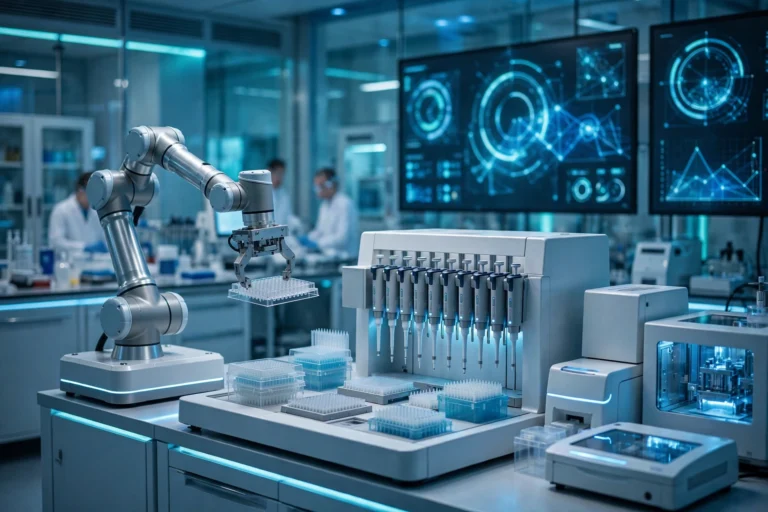
Reagents, chemicals, and water. Automated liquid handling dispenses exactly what a protocol needs. AI-driven experiment optimization reduces the number of physical experiments needed at all (RSC Sustainability), and retrofitting autoclaves to recirculate water can save around 32,000 liters per week (RSC Sustainability).
Certifications and Frameworks That Set the Standard
Established programs add structure: the Laboratory Efficiency Assessment Framework (LEAF), an international accreditation for cutting institutional carbon emissions, and My Green Lab Certification — recognized by the UN Race to Zero campaign (Biosero). For new construction, LEED sets the bar for energy-efficient lab design.
Where a Lab Should Start
Start with measurement: automation software can sync with lab equipment for real-time performance metrics (Biosero). Then pick the quick wins — close fume hoods, consolidate freezer inventory, and audit which plastic-heavy manual steps could move to a robotic platform.
Analysis
The biggest gains come from precision — dispensing exactly enough, cooling exactly when needed, running exactly the experiments that matter. Automation turns one-off green habits into default behavior by delivering that precision at scale.
The counterweight is cost and inertia: new platforms need capital, and researchers resist protocol changes. Expect adoption first in pharma and large academic labs under net-zero mandates, with smaller labs following through certification programs and shared core facilities.
Frequently Asked Questions
What is sustainability in life sciences automation?
It is the use of automated equipment, smart sensors, and efficient workflows to reduce a lab’s environmental footprint: less single-use plastic, lower energy and water use, and fewer chemicals — often validated through programs like LEAF or My Green Lab Certification.
How does lab automation reduce plastic waste?
Automation enables miniaturized reactions that use smaller volumes and fewer consumables — early sample pooling in genomics has cut plastic use by up to 95 percent in some workflows. Fewer manual steps mean fewer failed runs, and on-site recycling systems can recover most of what remains.
How much energy can sustainable labs actually save?
Harvard saves an estimated $200,000 to $250,000 per year on energy simply by getting researchers to shut fume hood sashes when not in use. Raising ultra-low freezers from -80°C to -70°C significantly reduces their energy draw, and smart HVAC tied to occupancy sensors cuts ventilation costs further.
Where should a lab start with sustainable automation?
Start by measuring: connect equipment monitoring software to track real energy and resource use. Then take the quick wins — close fume hoods, consolidate freezer contents, audit plastic-heavy manual steps — and join a framework like LEAF or My Green Lab Certification for structured guidance.
Sources
- Biosero — How to Increase Lab Sustainability Through Automation
- STAT News — Scientific Labs Look for New Ways to Become Sustainable
- RSC Sustainability — The Relevance of Sustainable Laboratory Practices
- The Scientist — Lab Waste Is Not Inevitable: How to Reduce, Reuse, and Rethink It
- News-Medical — Reducing Plastic Waste in NGS Laboratories
- Tech.eu — LabCycle Secures £430K to Commercialise Lab Plastic Recycling System