
Automation Implementation Explained: How to Plan, Pilot, and Scale Automation That Actually Works
Automation implementation explained: what it is, the 7 steps from process mapping to pilot and scale, common pitfalls, and KPIs that prove it works.
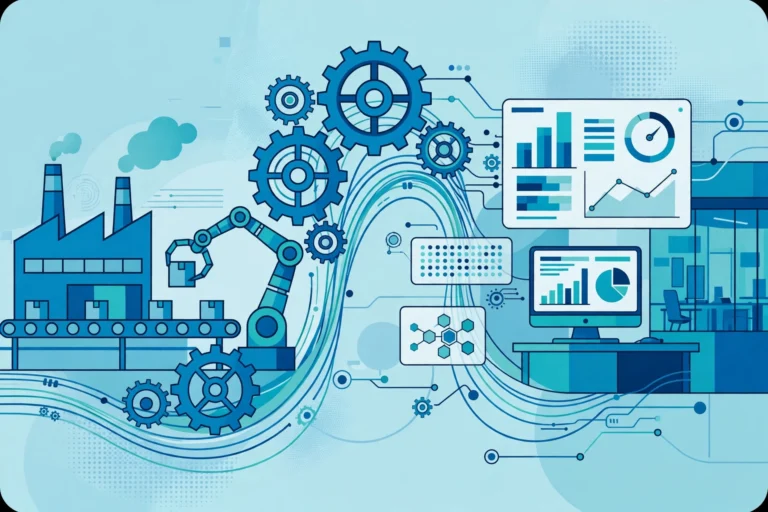
Automation implementation explained: what it is, the 7 steps from process mapping to pilot and scale, common pitfalls, and KPIs that prove it works.
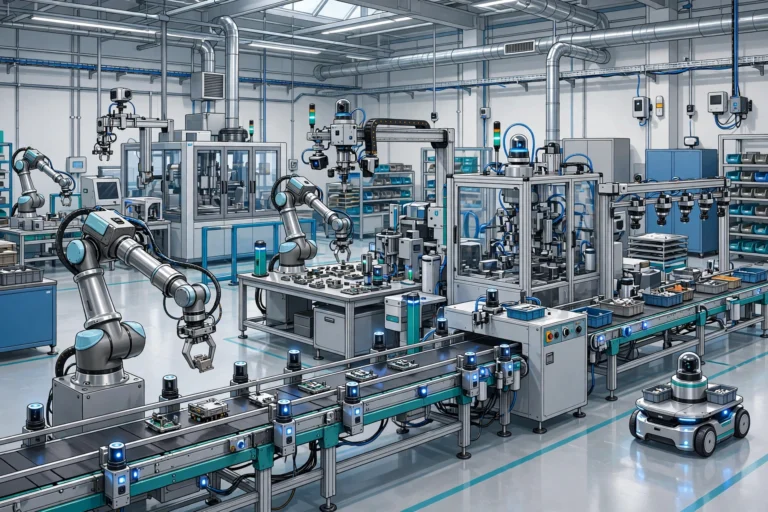
Automation machinery manufacturing explained: how automated machines work, the main types, and where they pay off — in plain English.

Robotic process automation architecture explained: how the design studio, software robots, and orchestrator work together to run attended and unattended bots.

What is an AI agent manager? Learn the role overseeing AI agent fleets, the control-tower platforms behind it, and why oversight decides which projects survive.
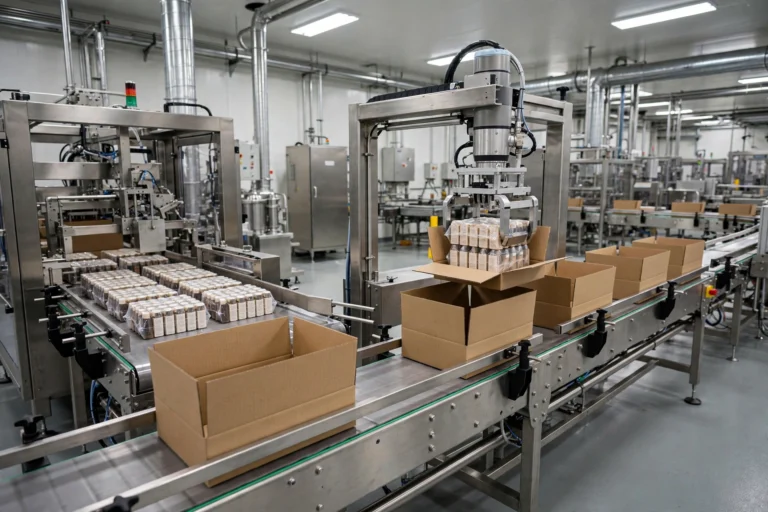
An automated case loader groups products and loads them into shipping cases automatically. Learn how it works, the main types, and why factories use them.

Hyper-automated social care analytics solutions combine RPA, AI and workflow tools to help councils prioritise cases and cut admin. Here is how they work.
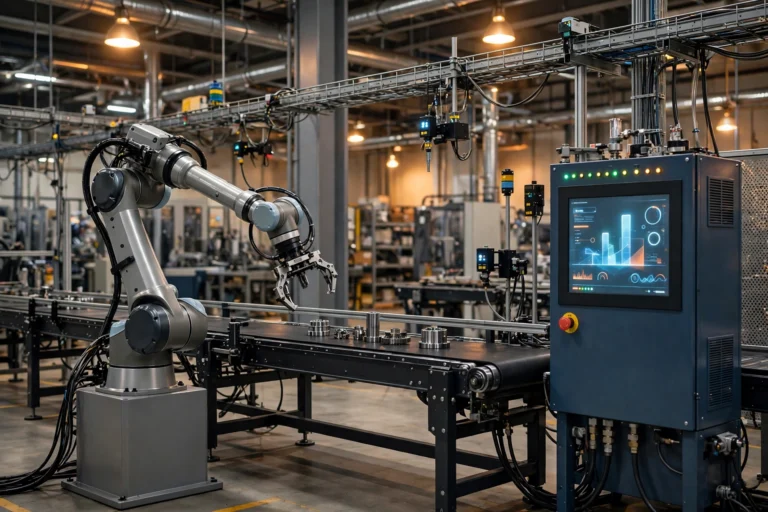
Custom industrial automation explained: how custom PLC, robotics and SCADA systems work, when they beat off-the-shelf setups, and if they’re worth it.
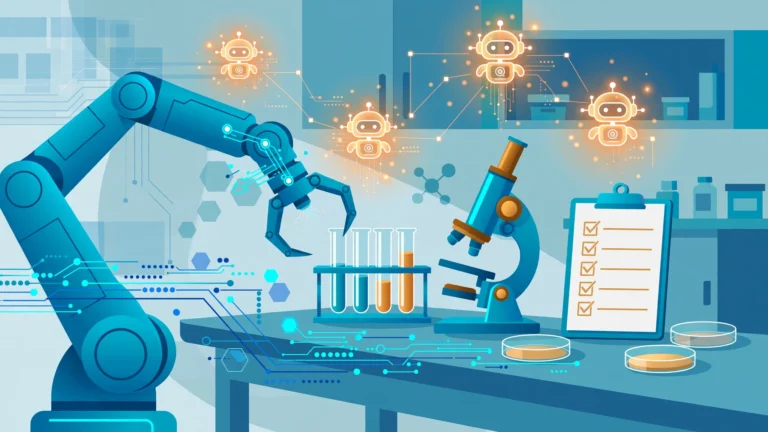
Robotic process automation in life sciences helps pharma teams cut errors, speed up trials, and stay compliant. Here is how RPA works and where it pays off.
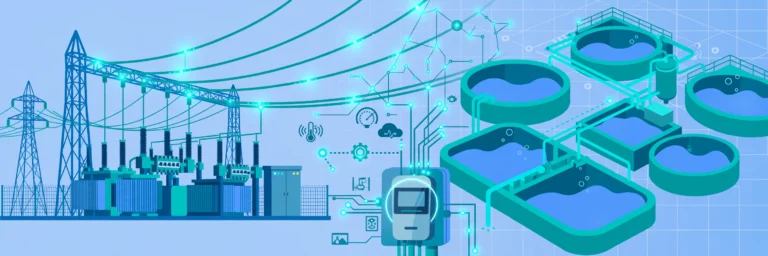
Utilities automation is how power, water, and gas companies run grids and networks with less manual work. Here’s what it covers, how it works, and where it pays off.
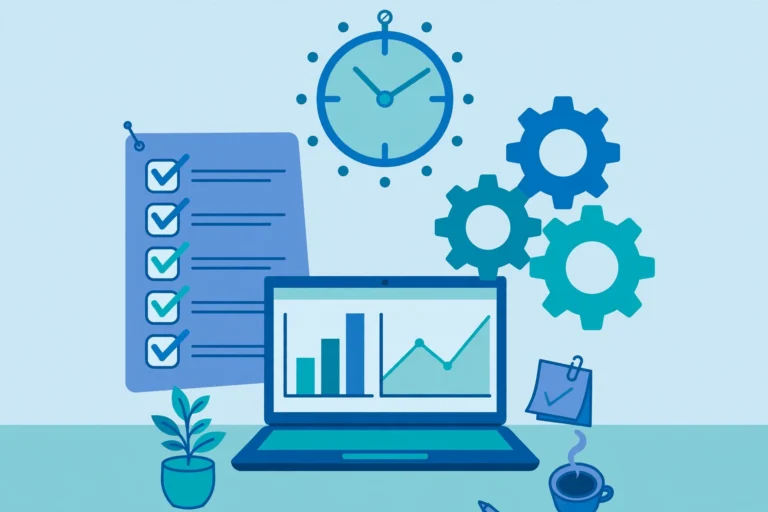
Technology for productivity means using tools that cut busywork and sharpen focus. Here’s what the research says, the tech that actually works, and how to use it.